Urban Development
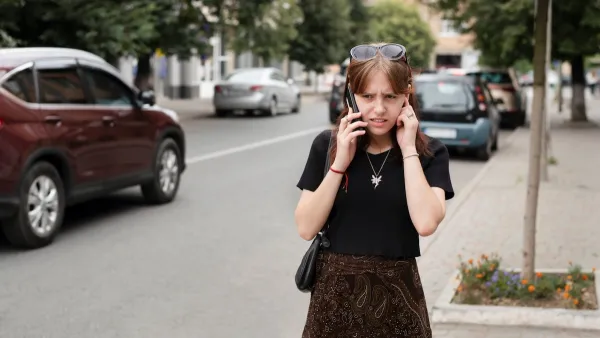
Neurodivergence and the City
Researchers are starting to understand how people with conditions like autism experience cities differently — and how to design for the neurodiverse brain.
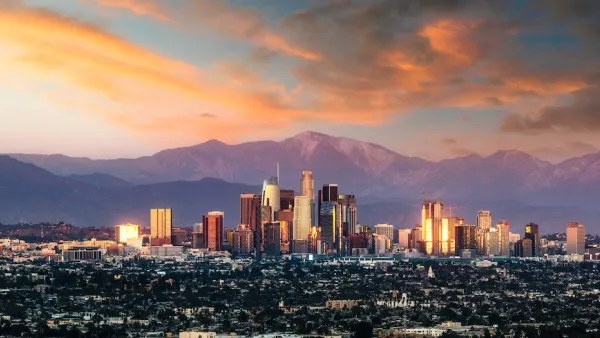
Building Resilient Communities: Insights from the LA County Cities Summit
The Los Angeles County Cities Summit convened local leaders to share strategies for advancing sustainability, addressing climate resilience, extreme heat, and other pressing environmental challenges through policy and community-driven solutions.
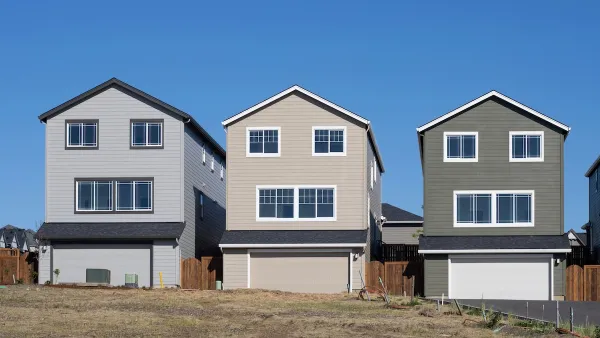
What’s in a Name? Investors vs. Speculators
We don’t often make a clear distinction between investors and speculators, which makes it harder to identify harmful behavior — and to find solutions for it.
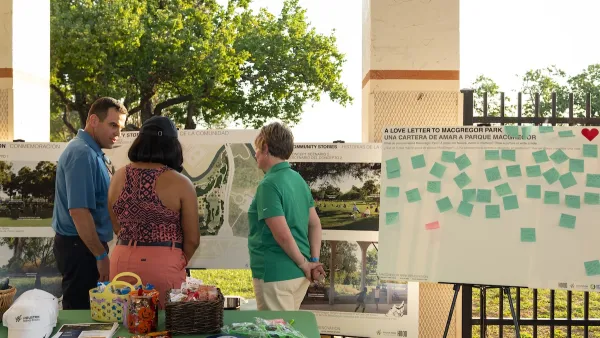
Public and Private Collaboration Advances Park Development in Houston
Houston may be known to some as a concrete jungle, but its greenspaces continue to expand thanks to combined support from the public, private, and philanthropic sectors.

Building Secure Yet Welcoming Public Spaces
Strategies for securing public spaces from vehicle attacks and other acts of terrorism without sacrificing accessible, vibrant urban places.

River Seine ‘Teeming’ With Life
Decades of restoration efforts are yielding positive results as dozens of species of fish return to the once-polluted waterway.
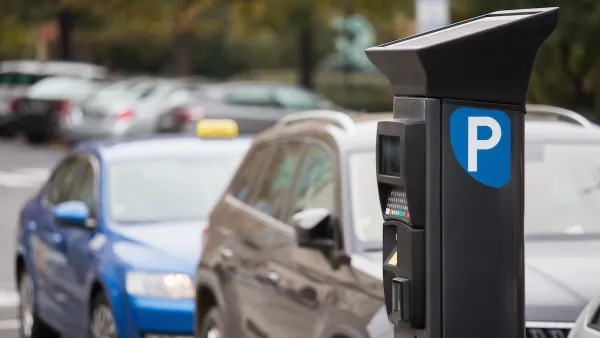
Donald Shoup Wasn't Just About Parking. He Was About The Economics Of Public Goods.
William Fulton provides a personal perspective on Prof. Shoup's life and work: “His mission was to help people understand the underlying economics of public goods and services. Parking was simply the vehicle, one might say, that he chose to do so.”

Which Cities Have the Most Remote Workers?
Across the country, a median of 12.5 percent of workers continue to perform their jobs remotely.
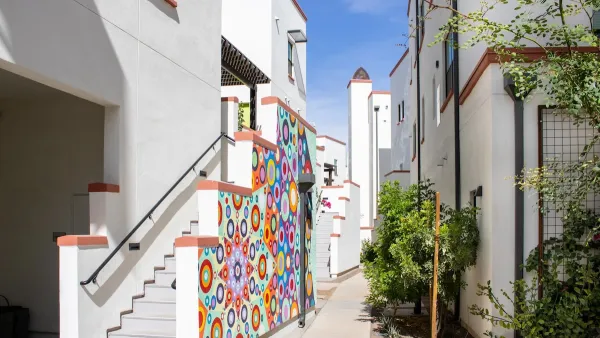
Culdesac Tempe Defies Expectations
Despite initial skepticism about its true potential for sustainable urbanism, the built-from-scratch “car-free neighborhood” is widely popular with its residents.
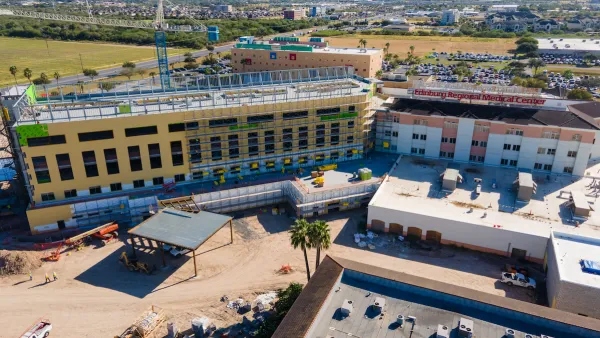
Hitting Its Stride Or Hitting A Wall? South Texas At a Watershed Moment
Can South Texas rise up without drying up?
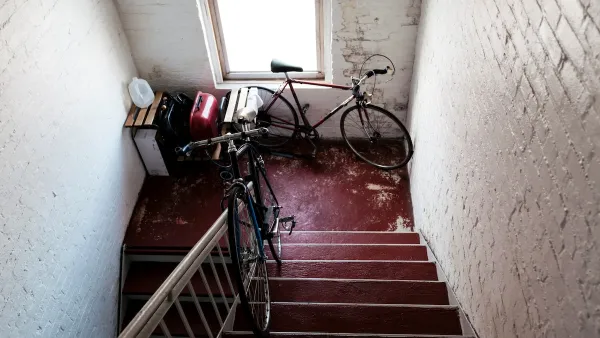
Single-Stair Reform Gains Strength
The movement to legalize single-stair multi-story buildings is gathering momentum, with the typology offering a more efficient, flexible, and healthy way to build housing.
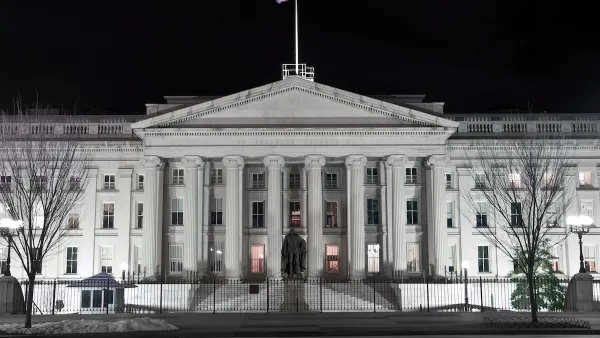
January Must-Reads: Top 10 Articles From Last Month
How a tidal wave of potential changes at the federal level could throw many programs planners depend on into chaos, a roundup of last year’s zoning stories, and the continuing ripple effects of a landmark Supreme Court case.
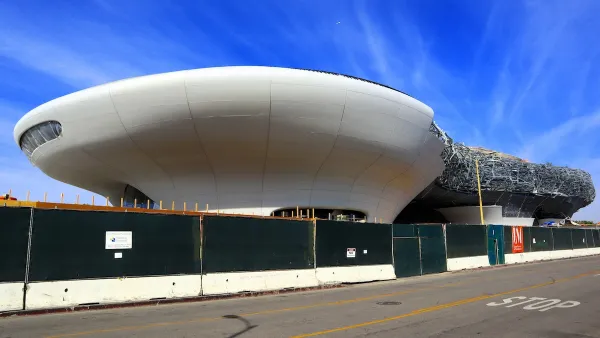
A New Cultural Landmark: Lucas Museum of Narrative Art Set to Open in 2026
Transforming a former parking lot into a dynamic cultural hub, this new museum will feature expansive gallery spaces, theaters, educational areas, and lush green landscapes while prioritizing community engagement, local hiring, and inclusive design.

Lawmakers Call for Improved Air Quality Monitoring in LA Following Fires
Wildfires like those in Los Angeles that destroy urban structures release toxic chemicals, including lead, into the air.
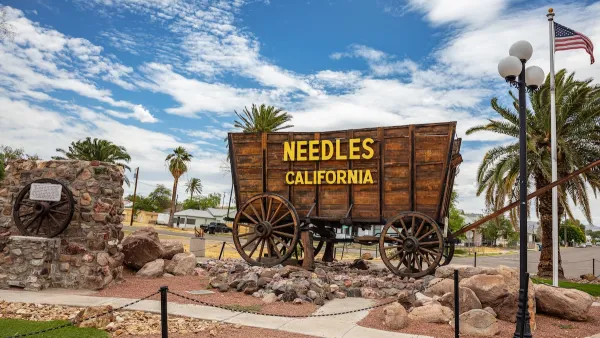
Commentary: Why We Need a Federal Definition of ‘Rural’
A patchwork of definitions of rural versus urban areas has real consequences for communities seeking federal funding.
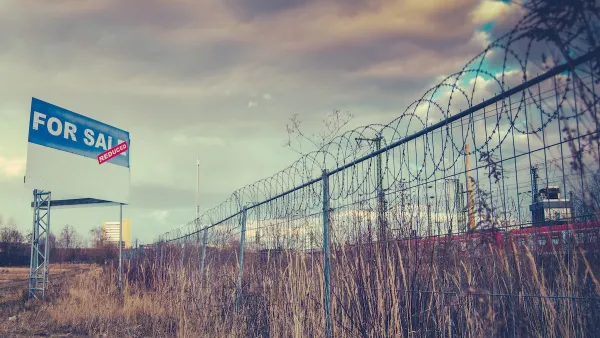
From Brownfields to Community Assets: A Conference on Land Revitalization
The 2025 California Land Recycling Conference (CALRC) will convene experts in Carson, CA, from September 16-18 to discuss brownfield redevelopment, sustainability, and equitable land reuse, with session proposals open until March 31, 2025.
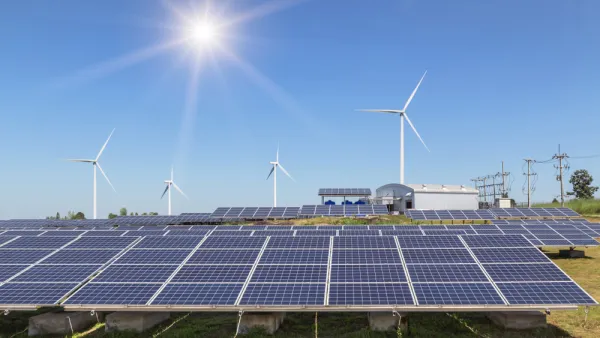
Equity in Energy: Protecting Livelihoods and Restoring Communities
The transition from fossil fuels to renewable energy must be equitable, ensuring that workers receive support, communities are revitalized, and degraded lands are restored to create a more sustainable and inclusive future.
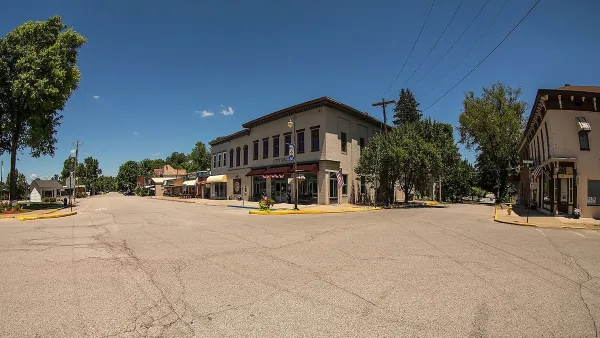
Charlestown, Indiana Announces City Square Improvement Project
Charlestown, Indiana announces a City Square Improvement Project after its Redevelopment Commission acquires a vacant 20-year-old building in the Jennings Plaza downtown.
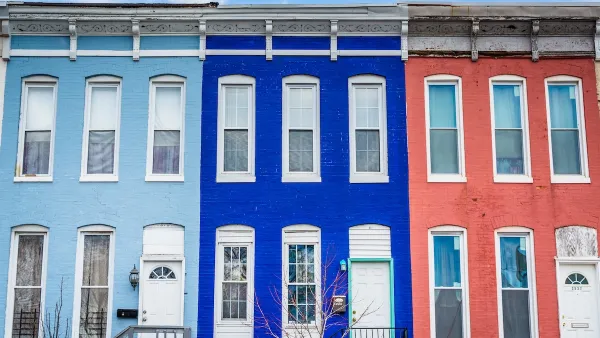
The Key Role of Row Houses in Philadelphia and Baltimore
The row house is ubiquitous in the two cities, but their policies on design and preservation vary widely.
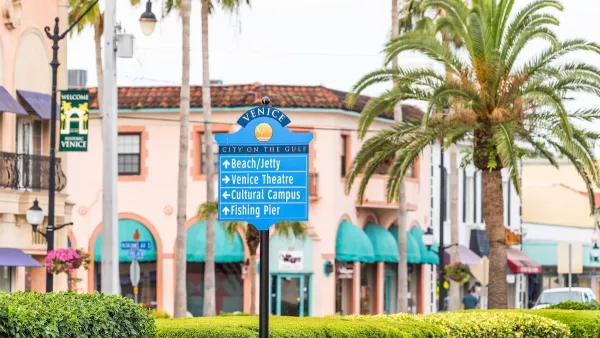
Learning From Venice, Florida
How a community planned in the 1920s has gracefully navigated change, offering a model for other places.

FREE Course: Walkable City 1: Why Walkability?
After describing his path towards focusing on walkability as the essence of good planning, Jeff Speck marches through his five principal reasons for making more walkable places.
Reinventing Malls: Planning Alchemy—Turning Gray Fields Into Gold
The course focuses on the opportunities and imperatives that shape reinvention of mall sites.

City of Rosemead
Rutgers University, Edward J. Bloustein School of Planning and Public Policy
One Hundred Miles
Hunter College, City University of New York (CUNY)
The Architects Foundation
University of Cincinnati Online
City of Cambridge
Montrose County
The Pocatello Development Authority









