Wildfires like those in Los Angeles that destroy urban structures release toxic chemicals, including lead, into the air.


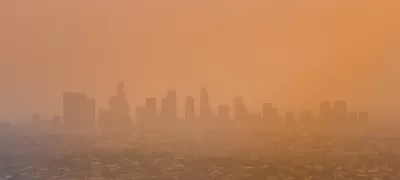
A group of lawmakers are calling on the Environmental Protection Agency (EPA) to monitor air quality in Los Angeles as the city recovers from recent wildfires.
According to an article by Ben Poston for the Los Angeles Times, “While the Eaton, Palisades and other fires spewed dangerous chemicals into the atmosphere, air quality readings in the region didn’t fully capture all the wildfire pollutants, air quality officials cautioned.”
Poston adds that some toxic substances, including asbestos, are not detectable under current air quality standards. “This lack of full information could increase the risk of long-term negative health effects, especially among vulnerable populations like children, pregnant women, and the elderly, regardless of whether or not people are in areas that have been directly impacted by wildfires,” wrote U.S. Reps. Laura Friedman (D-Glendale), Judy Chu (D-Monterey Park), and Brad Sherman (D-Sherman Oaks) in a letter to the EPA.
Now, those lawmakers are asking to convene a task force to improve air quality monitoring. “The lawmakers are also requesting that the EPA use ‘all tools at their disposal’ to regularly monitor air, water and soil hazards, including ash, lead, asbestos and chlorine.”
The Los Angeles fires, which consumed hundreds of urban structures, created “highly elevated levels” of lead (“a heavy metal that has no safe level of exposure for anyone and can permanently stunt the development of children when inhaled or ingested”) in the air miles downwind from the fire areas.
FULL STORY: Is it safe to breathe in L.A.? Lawmakers call for federal action to monitor wildfire pollutants

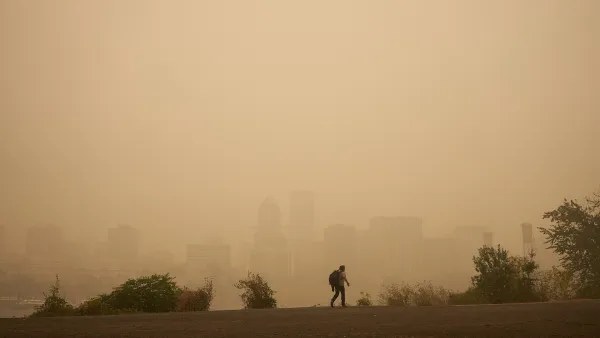
Report: 25 Percent of Americans Live With Poor Air Quality
Fires and extreme heat are generating more harmful particulate matter.
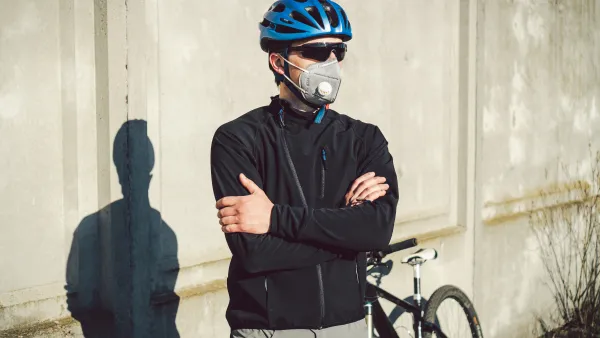
Wildfire Smoke Takes Toll on Bike Commuters
How can people on bikes protect their lungs from the harmful effects of wildfire smoke?
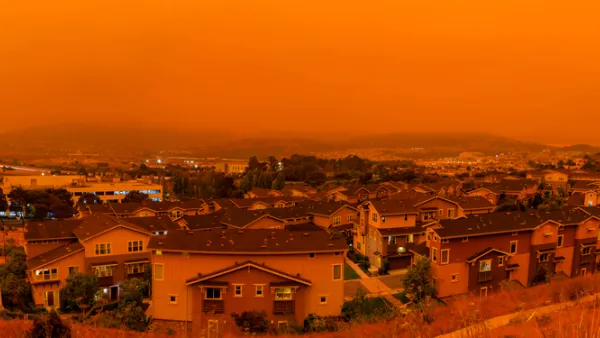
Wildfires Second-Largest Source of Emissions in California
New research quantifies the impact of wildfires on California’s air quality, indicating that bigger and more frequent fires contribute significantly to greenhouse gas emissions.

Planetizen Federal Action Tracker
A weekly monitor of how Trump’s orders and actions are impacting planners and planning in America.

The state-sanctioned urbicide of Austin
People don’t kill cities. Freeways do.

US to reduce Colorado River water deliveries to Mexico
A new Colorado Treaty amendment reduces Mexico’s Colorado River water allocation by 250,000 acre feet.

5 New England states march closer to 800 megawatt wind energy project
Securing federal approval for the project may be complicated under the Trump administration, which has historically been hostile towards domestic wind power.

Baltimore to break ground on $50 million Transit Priority Project
The project will bring faster bus trips, safer streets and better bike connections to Baltimore.

Airbnb launches $250 million 'last-dollar financing' housing accelerator, makes first investment in Austin
The company will put $6.4 million towards affordable housing development in Texas’ capital.

FREE Course: Walkable City 1: Why Walkability?
After describing his path towards focusing on walkability as the essence of good planning, Jeff Speck marches through his five principal reasons for making more walkable places.
Reinventing Malls: Planning Alchemy—Turning Gray Fields Into Gold
The course focuses on the opportunities and imperatives that shape reinvention of mall sites.

Eagle County Government
Harvard University Graduate School of Design
Nashville Planning Department
The Architects Foundation
University of Cincinnati Online
The Pocatello Development Authority
The Urban Renewal Agency of the City of Pocatello
Journal of the American Planning Association