Transportation
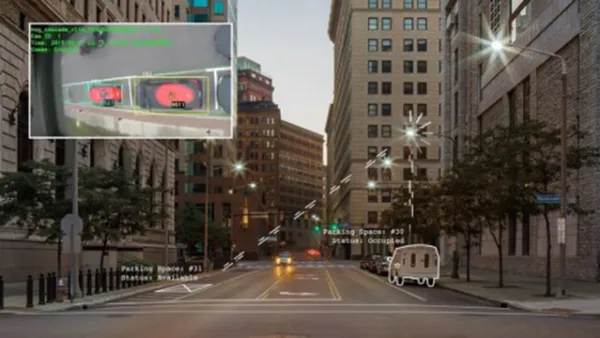
New Opportunities for Big Data in Pandemic-Era Urban Planning
Big data startups and corporations are collecting information that can help planners make informed decisions about how to facilitate social distancing. Will planners center data-driven decisions in other planning processes?
'Freedom to Move Act' Would Provide Federal Support for Free Transit Programs
New legislation by Rep. Ayanna Pressley (D-Mass.) would also target fare enforcement on the nation's transit systems.
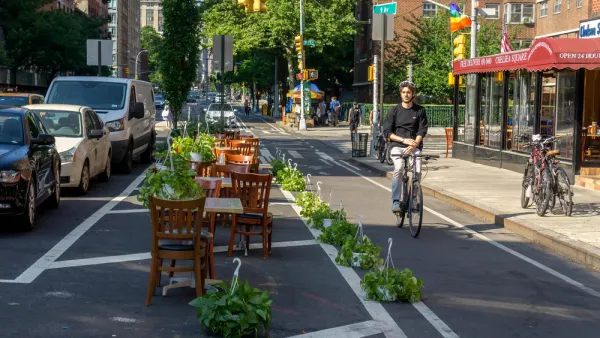
'Open Restaurants on Open Streets' Program Announced in NYC
The al fresco streets concept is coming to New York City.
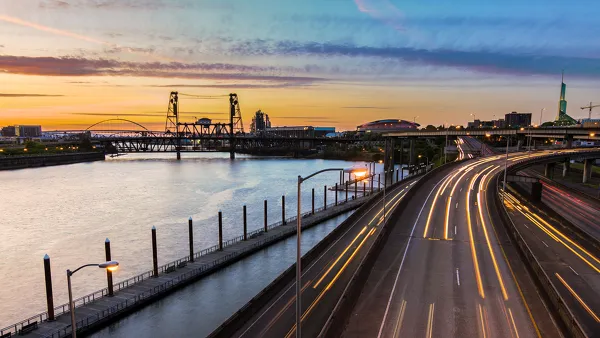
Plan to Widen I-5 in Portland Loses Critical Local Support
The I-5 Rose Quarter project has proven controversial throughout the study and planning process, and now it's losing key local political support.
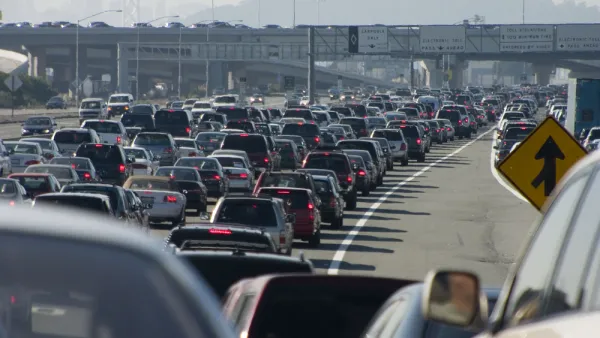
Failing to Account for Induced Traffic, Even When the Public Demands It
Induced traffic occurs when new highway capacity speeds up traffic, allowing travelers to drive further, increasing sprawl. A review of major highway project plans finds that most fail to accurately account for induced travel effects.
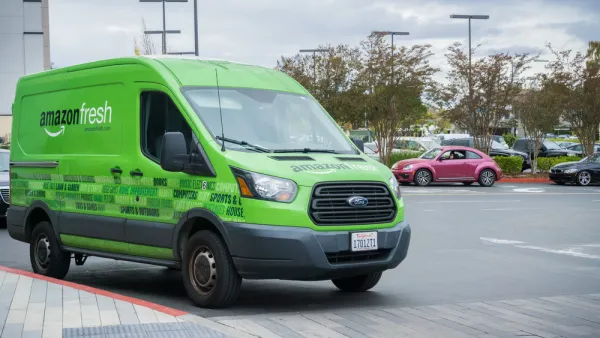
Pilot Projects Launched to Test Coordinated Curb Use
Coord, a Sidewalk Labs spinoff, has selected the winners of the inaugural Digital Curb Challenge.
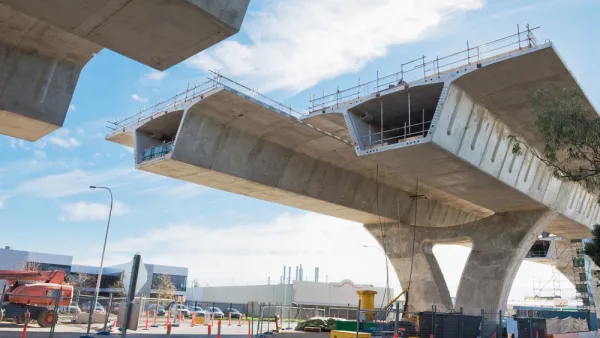
House Democrats Approve $1.5 Trillion 'Moving Forward Act'
Senate Majority Leader Mitch McConnell called the Moving Forward Act vote "pointless political theater."
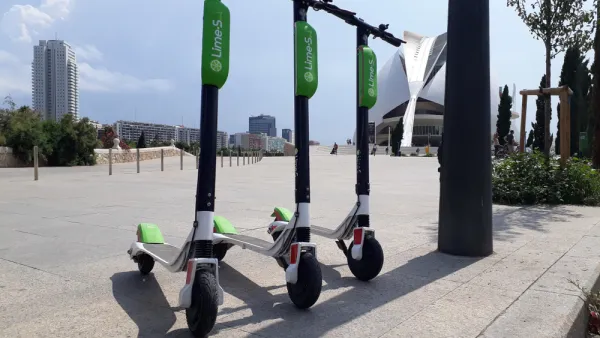
Micromobility Makes a Comeback
Decreased public transit ridership is bringing some transit agencies to consider partnerships with micromobility corporations.
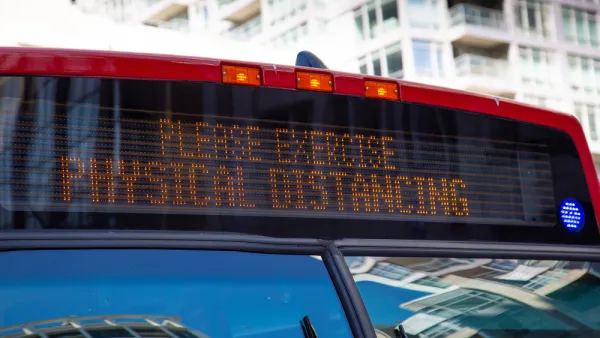
How Public Transit Agencies Are Adjusting to the Realities of the Pandemic
U.S. public transit agencies have been reacting to news and developments on the fly, as sudden declines in ridership, loss of revenue, waves of protest, and an uncertain long-term prognosis continues to disrupt day-to-day operations.

New Rule on Environmental Impacts of Driving, Long Awaited, Goes Into Effect Today
At long last, California law will consider the amount of driving, rather than vehicle delay, when evaluating the environmental impacts of new developments. This is a more common-sense approximation of their environmental impacts.
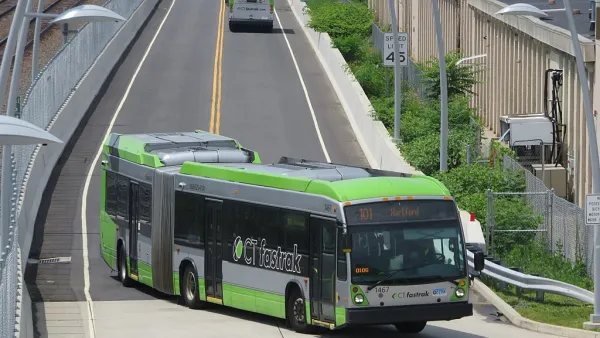
First: Grant Enables Automated Transit Buses in Connecticut
CTtransit will work with Robotic Research LLC, New Flyer of America, and the Center for Transportation and Environment to be the first public transit provider in the United States to operate full-sized, autonomous buses.
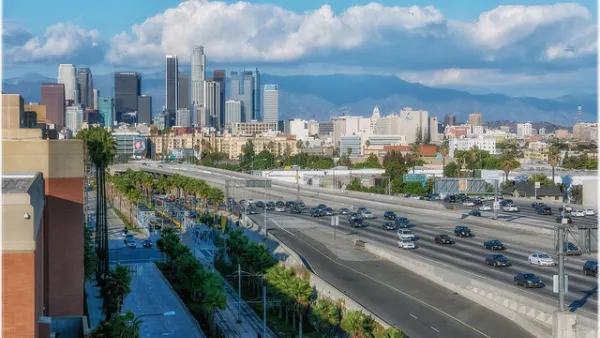
When Discussing Racist Monuments, Don't Forget Urban Freeways
The racist history of planning in Los Angeles is particularly evident in the way Interstate freeways were planned in the region.
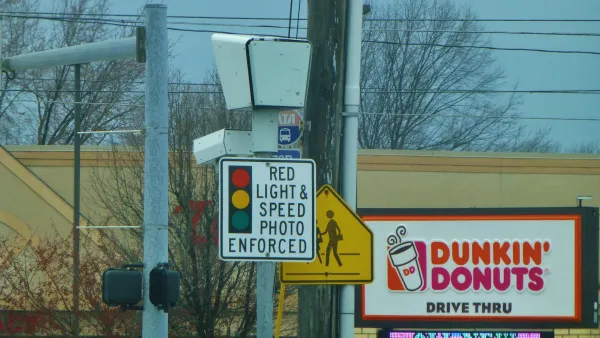
Someone Is Stealing Toronto's New Speed Cameras
A pilot program that installed 50 speed cameras near schools in Toronto would only send warnings to scofflaws, but someone is stealing the cameras anyway.
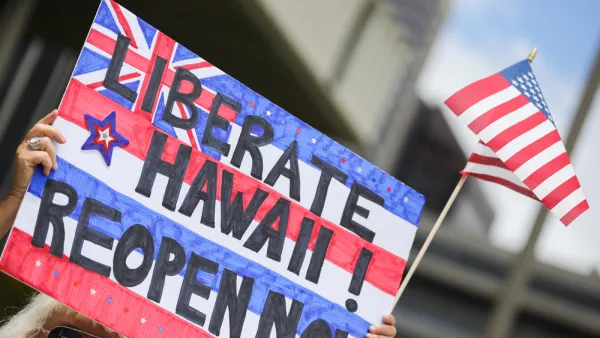
Justice Department Challenges Hawaii Quarantine
The U.S. Justice Department has intervened in a lawsuit on behalf of the plaintiffs challenging Hawaii's mandatory two-week quarantine for travelers arriving on the island state. The Trump-appointed judge did not react favorably.
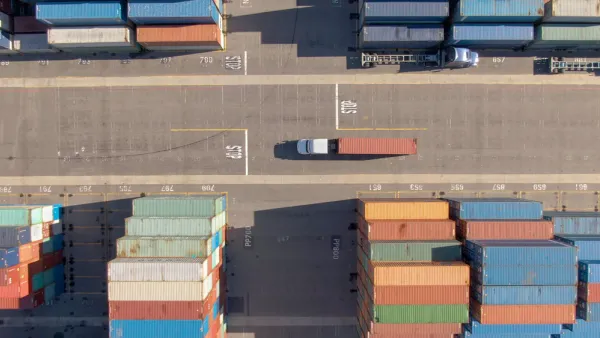
Emission-Free Heavy-Duty Trucks Requirements Approved in California
California is the first state to require manufacturers to produce zero-emission medium- and heavy-duty trucks.
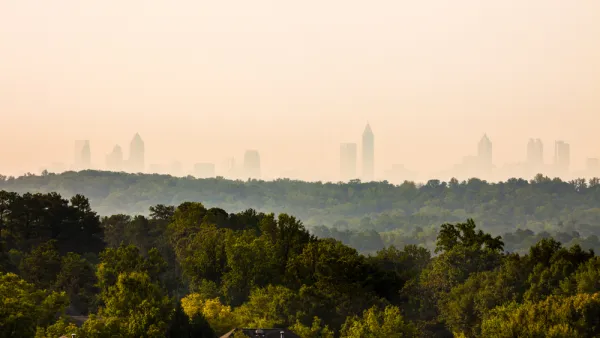
Stacey Abrams Leads New Effort to Mobilize Climate Action in the U.S. South
The South has some catching up to do on implementing plans to curb carbon emissions and prepare for climate change, but the region, collectively, has a lot of reasons to do so.
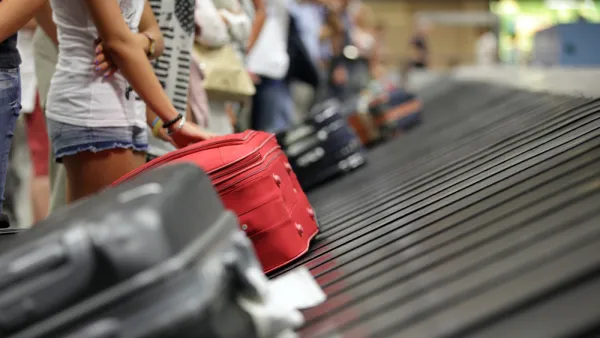
EU to Bar Travelers from U.S. and other High-Infection Countries
In another pandemic reversal, a "safe country" list was completed by EU officials to take effect July 1 to prevent the reintroduction of the coronavirus. President Trump banned travelers from Europe in March to reduce the introduction of the virus.
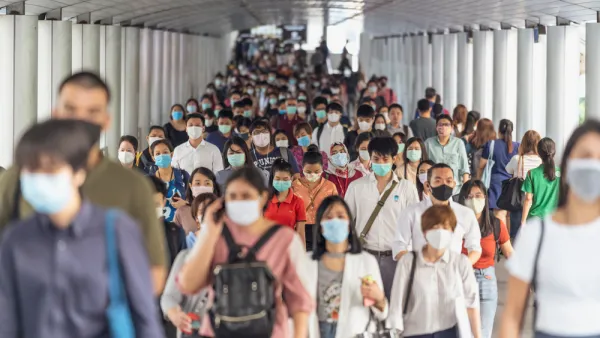
How Cities Are Responding to Automobile Congestion
As economies begin to reopen around the world, some cities are taking action to prevent widespread gridlock.
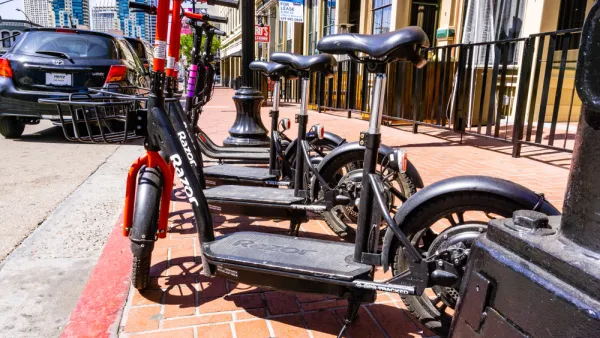
Electric Bikes and Scooters Legalized in New York City
The City Council has legalized electric scooters and bikes. A citywide shared electric scooter pilot program is expected by early 2021.
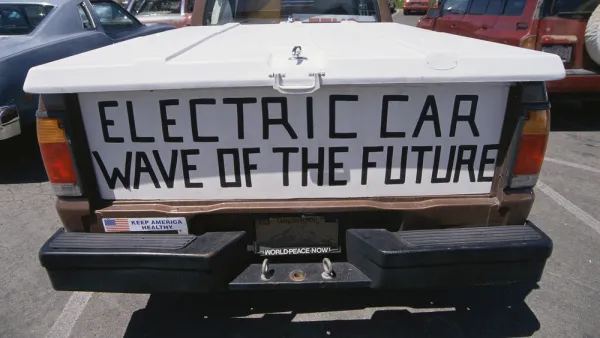
Exhaust-Free City Centers by 2030!
It’s time to harness technology for cleaner, healthier, and safer cities.

FREE Course: Walkable City 1: Why Walkability?
After describing his path towards focusing on walkability as the essence of good planning, Jeff Speck marches through his five principal reasons for making more walkable places.
Reinventing Malls: Planning Alchemy—Turning Gray Fields Into Gold
The course focuses on the opportunities and imperatives that shape reinvention of mall sites.

City of Rosemead
Rutgers University, Edward J. Bloustein School of Planning and Public Policy
One Hundred Miles
University of Michigan School for Environment and Sustainability (SEAS)
Hunter College, City University of New York (CUNY)
The Architects Foundation
City of Cambridge
The Pocatello Development Authority
The Urban Renewal Agency of the City of Pocatello









