Transportation
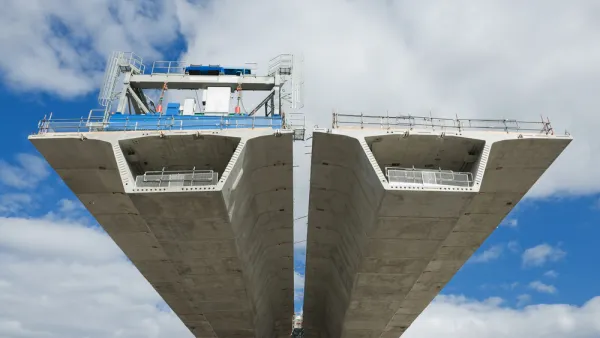
Road Projects Spike, Transit Slows in 2022
The federal dollars that are making their way to infrastructure projects around the country are largely supporting highway and bridge projects as transit agencies struggling to finance day-to-day operations delay capital investments.
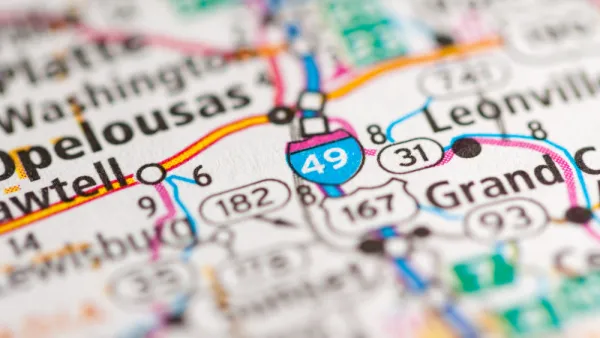
Louisiana Freeway Project Faces Civil Rights Investigation
An interstate project decades in the making is being investigated by federal authorities for claims that it would perpetuate historically racist land use patterns.
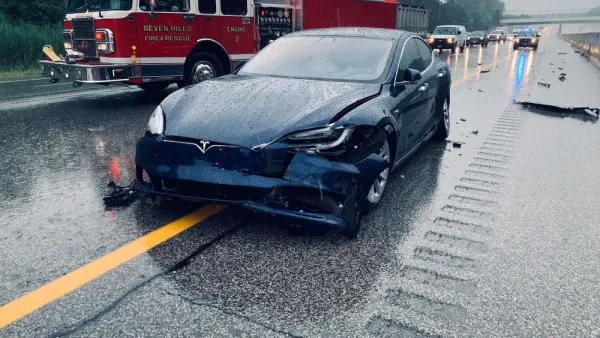
Majority of American Drivers ‘Afraid’ of ‘Self-Driving’ Cars
Responses to a AAA survey indicate a rising fear of automated vehicles in the wake of high-profile crashes and federal investigations.
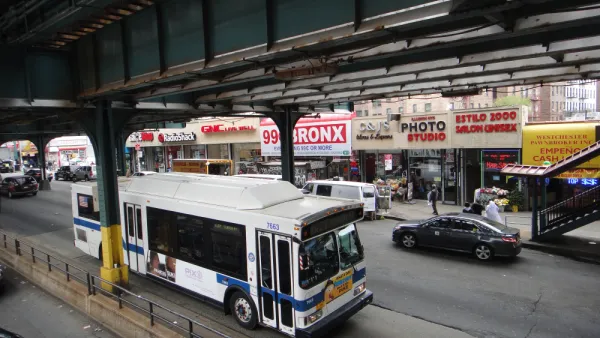
Changes to Local Service in the Bronx Benefit Bus Speeds, Ridership
Another example of how improving bus service design can benefit transit riders and transit systems emerges in New York City. More such local system redesigns are on the way soon in the Big Apple.
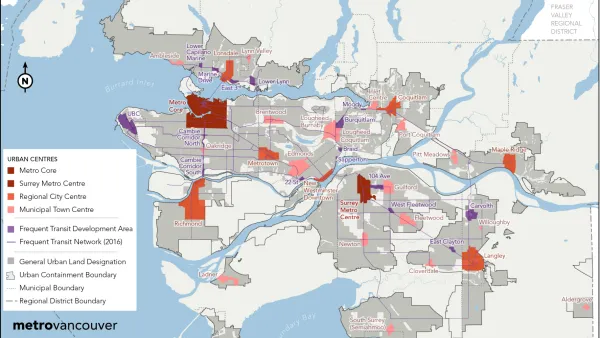
Vancouver Approves New Metro 2050 Regional Plan
The region around Vancouver in British Columbia has a new 30-year regional plan.

Generation Z Is Driving Less, But History Indicates It Won’t Last
Think Generation Z will usher in the long-awaited post-car future of transit advocates’ dreams? Think again (about the example set by the Millennials).
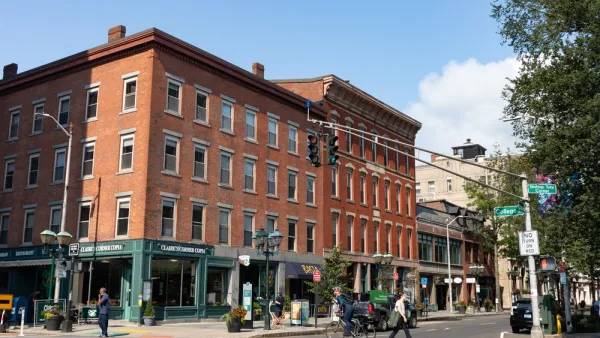
There is Nothing Illiberal About Walkability
Despite recent claims to the contrary, the concept of the 15-minute city promotes freedom of mobility and universal access to a city’s resources and amenities.
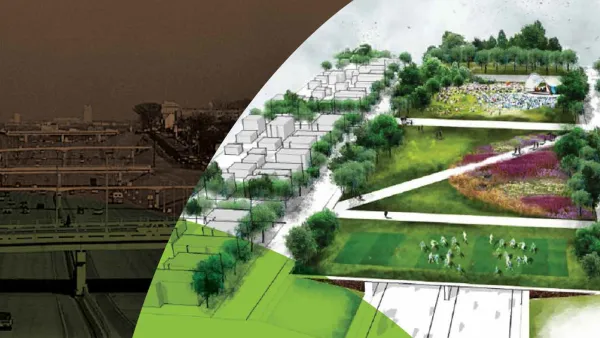
St. Paul Land Bridge Study Wins Federal Grant
A proposed land bridge that would reconnect the Rondo neighborhood is one of the dozens of projects to be awarded a Reconnecting Communities grant this week.
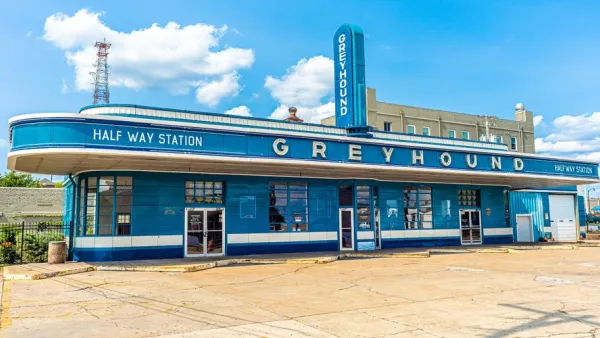
Intercity Buses Face Station Closures and Labor Shortage
The closure of many former Greyhound bus terminals is making intercity bus travel more inconvenient for the riders who depend on it.
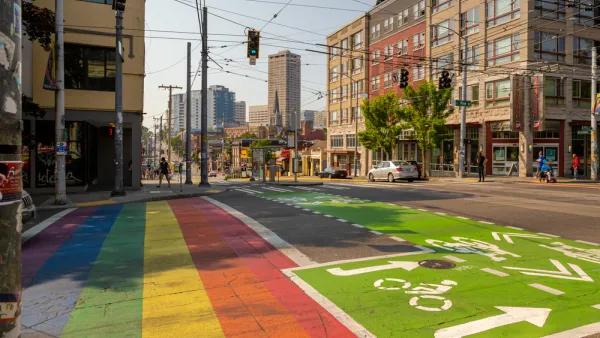
Seattle Vision Zero Review Largely Misses the Point
The city released what it called a comprehensive review of its Vision Zero initiatives, but one critic argues the report doesn’t address some key opportunities for improving road safety.
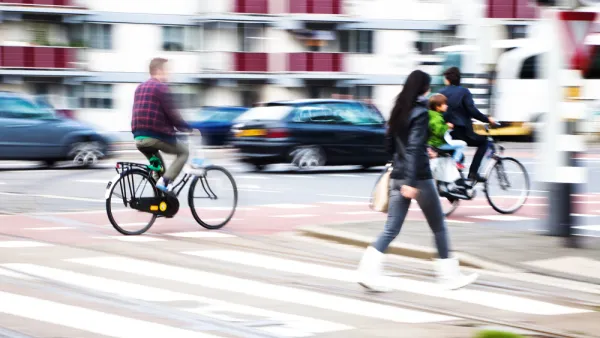
Report: Pedestrian Deaths Rose Again in Early 2022
New data shows continued growth in pedestrian road deaths in most U.S. states.
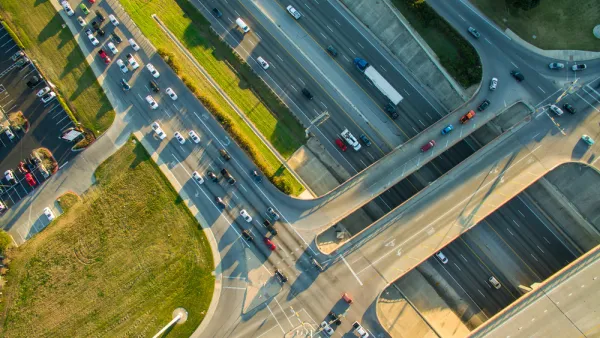
Austin City Council Calls for Changes to Interstate Widening Plan
Legally powerless to stop TxDOT’s plans for freeway expansion, Austin city leaders hope to influence the agency to take some mitigation measures as it widens I-35.
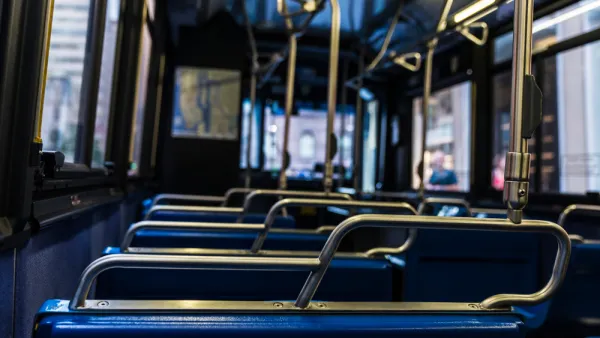
Public Transit’s Existential Crisis
U.S. transit systems are still scrambling to find alternate funding sources and adjust their service to new needs as ridership remains below pre-pandemic levels.
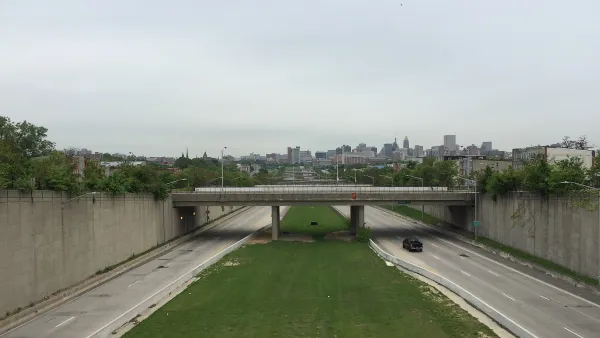
USDOT Awards Reconnecting Communities Grants
The first $185 million in grants were awarded to projects that aim to improve mobility and reconnect neighborhoods isolated by highways and other infrastructure projects.
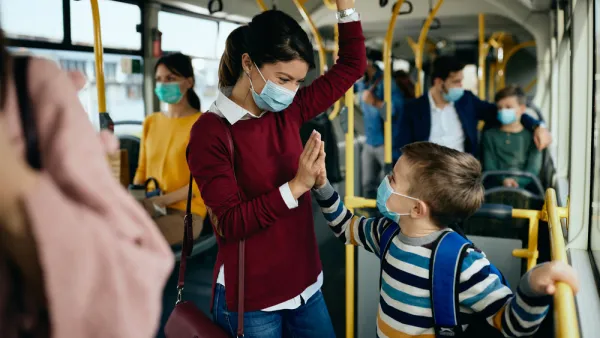
Making Transit More Family-Friendly
Public transit can often be inconvenient or unsafe for people with children in strollers and riders traveling for purposes other than commuting. Agencies are working on ways to fix that.
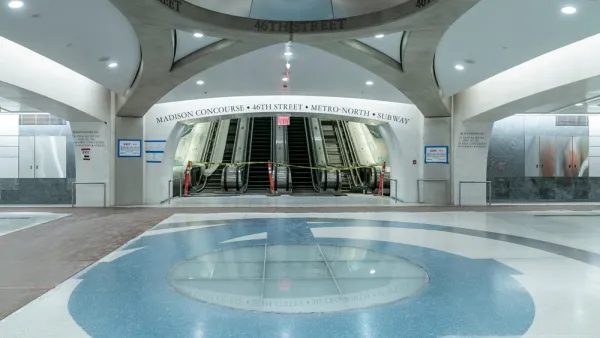
Grand Central Madison Trains Fully Operational
The station is the nation’s first new major rail terminal in over half a century.
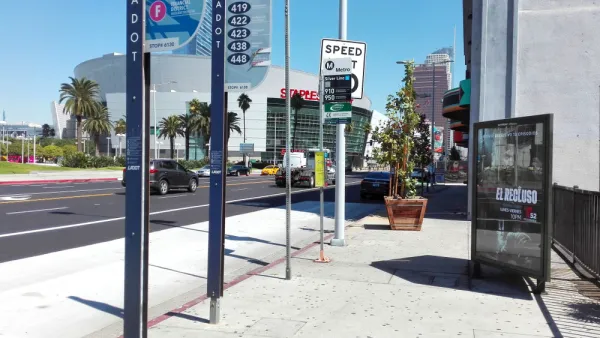
Study: One-Quarter of L.A. County Bus Stops Equipped With Shelters
Bus riders in Los Angeles frequently lack protection from sun and extreme heat, with bus stops in some of the county’s hottest areas having the worst amenities.
Resilience Matters: Collective Action For Healthier Communities
The Island Press Urban Resilience Project (URP) has published a new, free "Resilience Matters" e-book that contains fascinating articles, op-eds, and interviews that provide practical guidance for collective action to build a fairer, greener future.
How Consultants Drive Up Transit Construction Costs
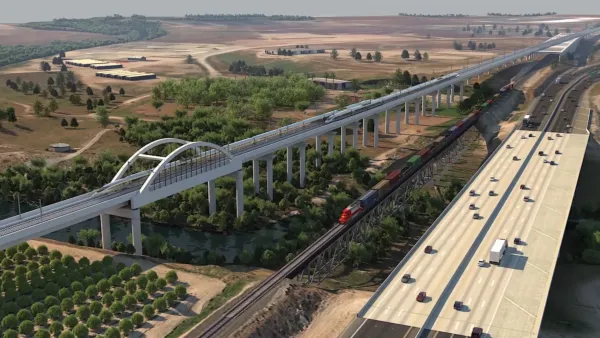
A new report suggests that an overreliance on external consultants by U.S. transit agencies and other government entities is hollowing out the public sector and raising the costs of transit projects.
Should We Continue to Ignore Induced Vehicle Travel Costs?
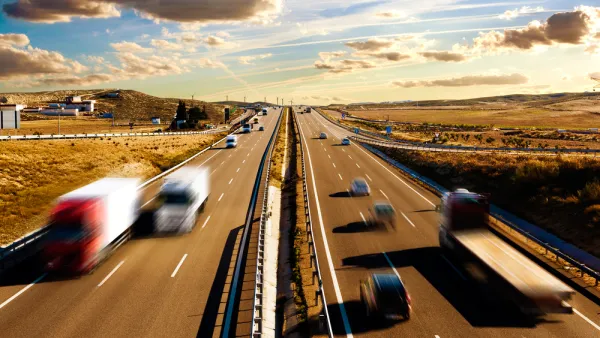
A recent Planetizen blog claims that urban highway expansions reduce traffic congestion and benefit everyone. That must be a joke! Most planners now recognize that such projects tend to be economically wasteful and contradict community goals.

FREE Course: Walkable City 1: Why Walkability?
After describing his path towards focusing on walkability as the essence of good planning, Jeff Speck marches through his five principal reasons for making more walkable places.
Reinventing Malls: Planning Alchemy—Turning Gray Fields Into Gold
The course focuses on the opportunities and imperatives that shape reinvention of mall sites.

City of Rosemead
Rutgers University, Edward J. Bloustein School of Planning and Public Policy
One Hundred Miles
University of Michigan School for Environment and Sustainability (SEAS)
Hunter College, City University of New York (CUNY)
The Architects Foundation
City of Cambridge
The Pocatello Development Authority
The Urban Renewal Agency of the City of Pocatello









