Walkability
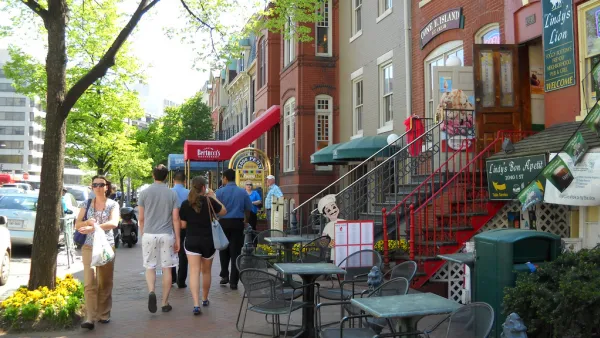
Urban Villages: The Key to Sustainable Community Economic Development
Compact, walkable urban villages support sustainable economic development by reducing transportation costs, leaving residents with more money to spend on local goods, and by creating more efficient and attractive commercial districts.
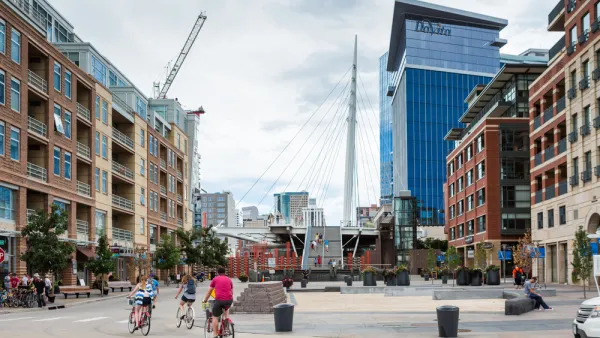
Local Resistance Hinders Transit-Oriented Development
As states move to boost housing production near transit, opposition from neighborhood groups frustrates efforts to build new developments.
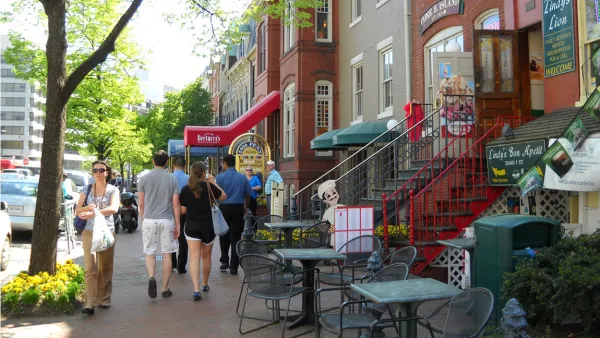
What Is Walkability?
Walkability refers to the ability to safely walk to services and amenities within a reasonable distance, usually defined as a walk of 30 minutes or less.
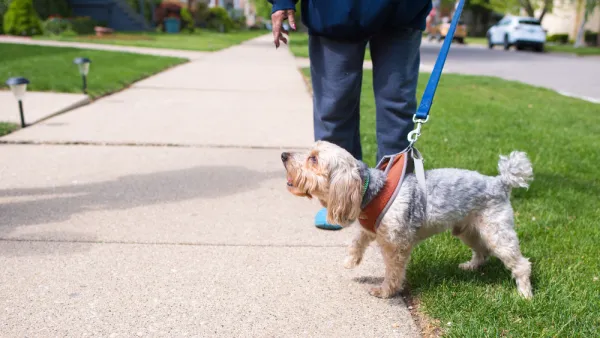
The Best Cities to Take Your Dog for a Walk
For the good doggos.
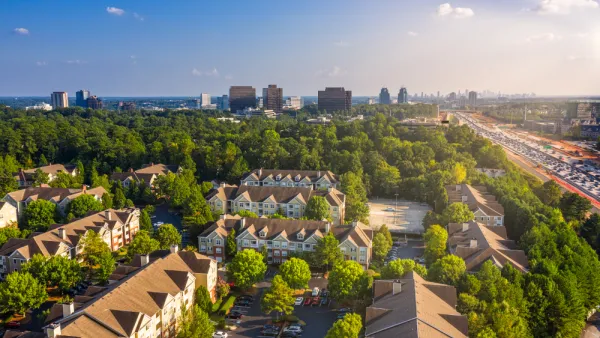
Report Links Housing Growth and Climate Resilience
Data from three U.S. metro areas show a failure to address land use and sprawl as a key factor driving climate change.
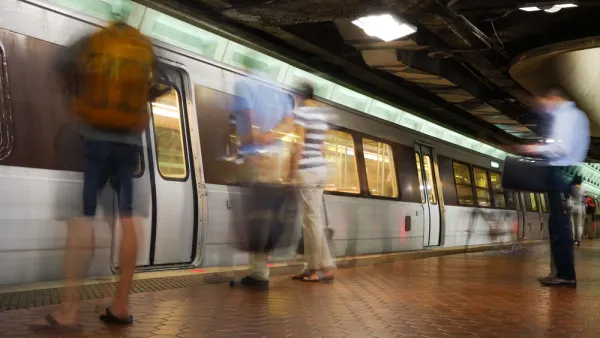
Study: D.C. Region Must Take Aggressive Steps To Reach Climate Goal
To achieve its stated emissions reduction goal, the Greater Washington area must sharply reduce driving and speed up the adoption of electric vehicles.
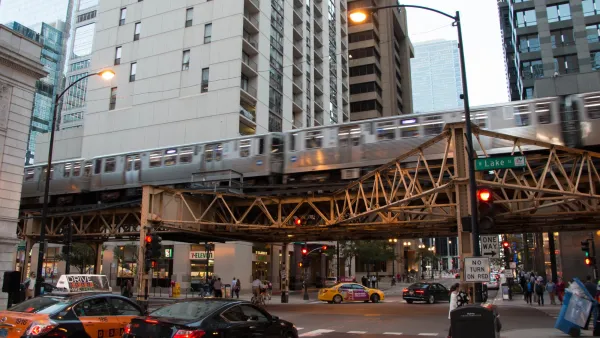
Recommendations for the Federal Transit Administration's Capital Investment Grant Program
The Capital Investment Grants program should focus on improving service on heavily-used lines, expanding access to jobs and amenities, and increasing multimodal accessibility.
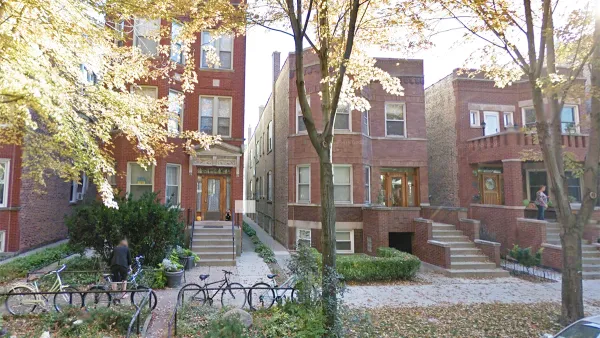
Research Shows '15-Minute City' Not Enough to Guarantee Equity
A study of Chicago neighborhoods showed that access to urban amenities does not necessarily correlate with improved economic outcomes.
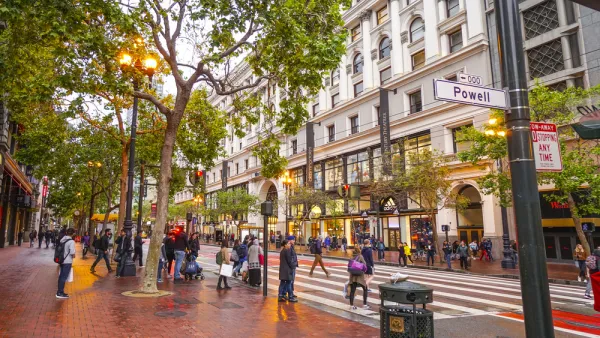
Ranking the Top 15-Minute Cities of the United States
The rankings in a recent report are about the potential of U.S. cities to become more like the 15-minute city model provided by Paris.
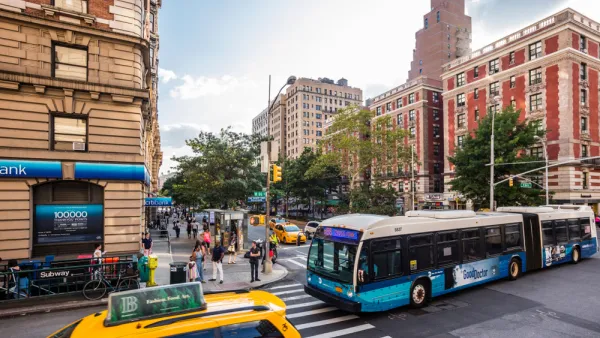
NYC Expats Struggle With Their Decision to Leave
Strong place attachment makes it difficult for New Yorkers to settle into their new homes, but many are finding ways to recreate their favorite parts of the city elsewhere.
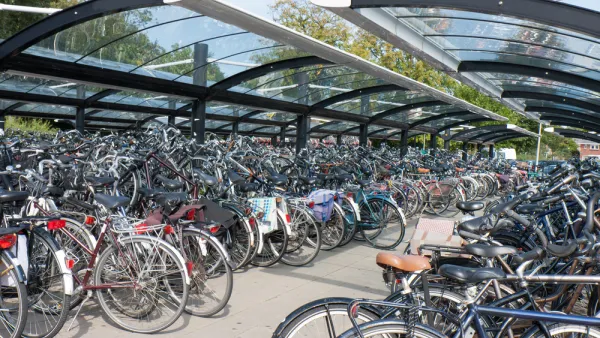
Busting Myths About Car-Light Cities
According to one Canadian couple living in Holland, walkable cities and good bike infrastructure aren't just a Dutch anomaly.
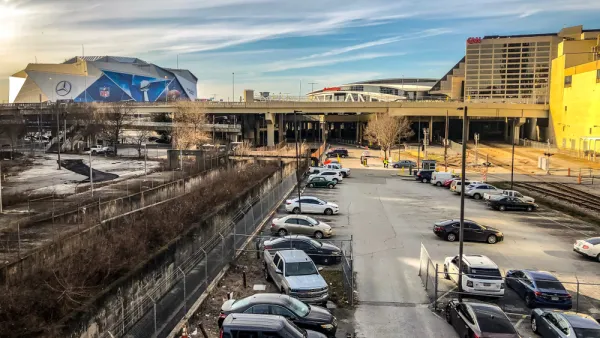
Latest Plans for Atlanta's 'The Gulch' Megaproject Focuses on the Public Realm
The latest round of plans and designs released for The Gulch by developer Centennial Yards Company plots increased walkability and urban design choices that respond to the existing built environment.
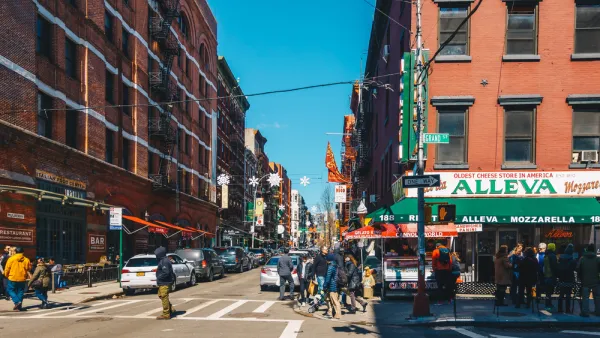
How the Built Environment Impacts Public Health
New research sheds light on how the brain responds to urban environments and architecture.
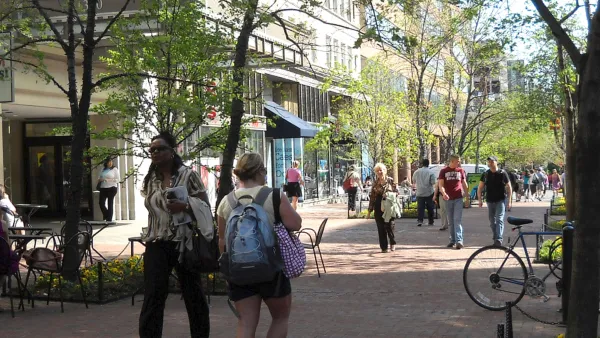
Cities Seeking '20-Minute Living'
Reducing car dependency can improve air quality, increase access to jobs and opportunities, and help cities meet emissions reduction goals.
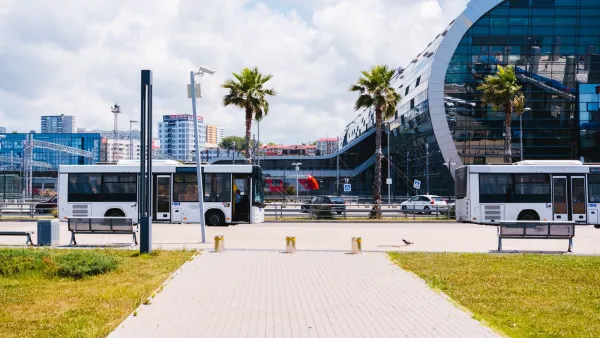
The Surprising Ways Cities Work to Clean the Environment
Municipal programs and urban design offer cities multiple, perhaps surprising ways, to clean the environment.
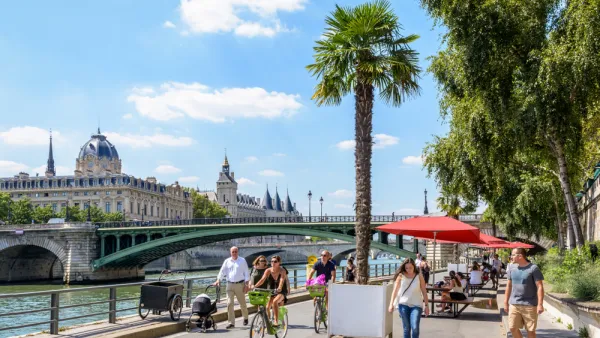
The Pitfalls of the 15-Minute City
The concept, touted as "hyper-local," can fail to take into account local conditions and historical inequities in American cities.
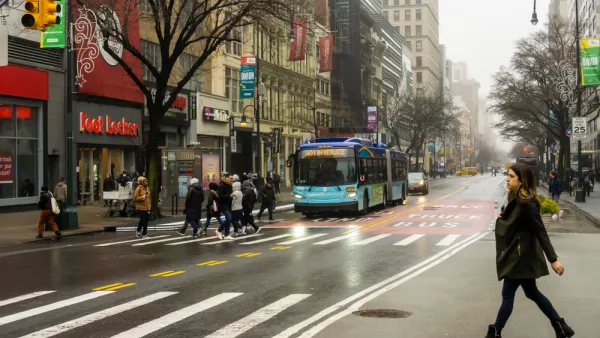
Survey Says New Yorker Want More Protected Bike and Bus Lanes, Less Parking
A new survey reveals broad support for a less car-centric approach to capital investment in the city of New York.
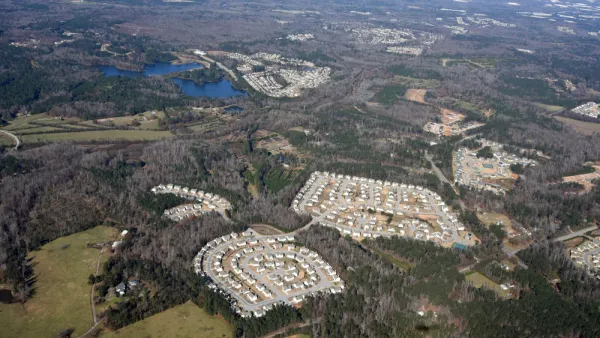
CNU Report Outlines Incremental Steps for More Walkable Suburbs
Transforming suburban sprawl is a massive undertaking, but these small steps can help communities understand their needs and assets and develop clear, actionable goals for the future.
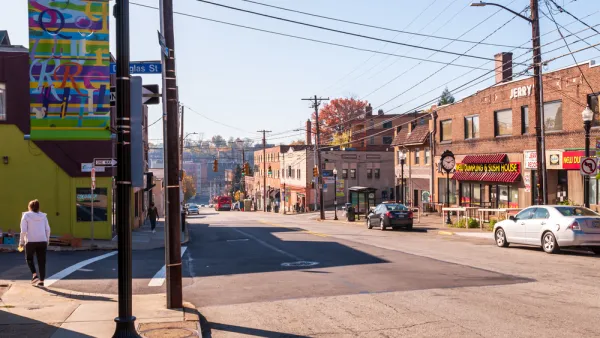
Another Fun Neighborhood Analysis Toy
A Trulia feature offers lots of interesting information about neighborhoods (or at least about how their residents perceive them).

From Paris to Portland: The 15-Minute City Goes Mainstream
Raising the bar on the 20-minute neighborhood model, cities around the world are embracing the appeal of the 15-minute city during the coronavirus pandemic.

FREE Course: Walkable City 1: Why Walkability?
After describing his path towards focusing on walkability as the essence of good planning, Jeff Speck marches through his five principal reasons for making more walkable places.
Reinventing Malls: Planning Alchemy—Turning Gray Fields Into Gold
The course focuses on the opportunities and imperatives that shape reinvention of mall sites.

KFH Group Inc.
Greater Baltimore Committee
Eagle County Government
The Architects Foundation
University of Cincinnati Online
The Pocatello Development Authority
The Urban Renewal Agency of the City of Pocatello