Walkability
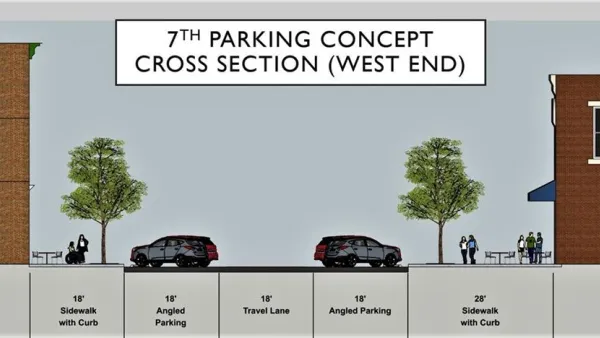
Street Redesign as an Economic Development Tool
The city of Covington in Kentucky is working on street improvements on key downtown streets in the hopes of attracting new business to the area.

Older Americans Should Rent, Study Says
To rent or to buy? A study from AARP and the Joint Center for Housing Studies at Harvard University weights the cost and benefits of each scenario for Americans 65 and older.

Abandoned Rural Spain Rebounds With People Fleeing Cities
COVID-19 is leading an exodus to rural areas, according to this article. The shift could hurt the economies of cities, but it also presents opportunities for younger residents and people looking for a more sustainable lifestyle.
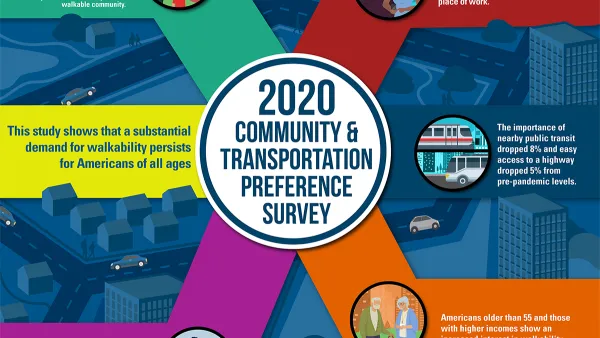
Insights from the 2020 Community and Transportation Preference Survey
The National Association of Realtors' recent Community and Transportation Preference Survey shows that many households prefer living in walkable urban neighborhoods, and those that do have a higher quality of life.
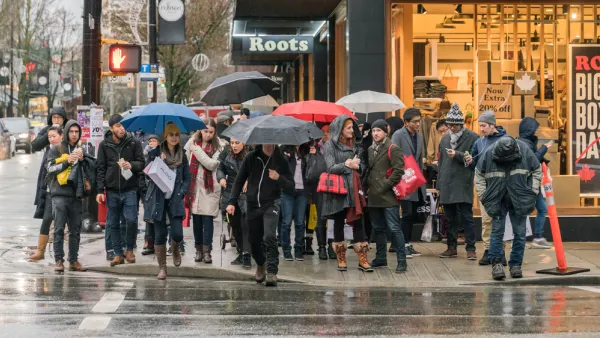
A New App Helps Identify 15-Minute City
The new 15-Minute City App generates maps which show the number of services and activities within a 15 minute walk, and and therefore whether an area can be considered a 15-minute neighborhood.

'Pedestrians First' Measures Walkability for Babies, Toddlers, Caregivers, Everyone
The ITDP's new Pedestrians First tool describes why and how to improve walking conditions, and provides comprehensive analysis of walkability for 1000 cities.

Seeking '20-Minute Neighborhood' Status in Texas
The neighborhood of Montrose in Houston has undertaken a self-funded study to assess the facts on the ground about walkability in the neighborhood.

A 10-Minute Walk to a Park for Your Health and Well-Being
The “10-Minute Walk Campaign” is a nationwide movement to ensure that everyone has safe access to a quality park or green space within a 10-minute walk. In the midst of a pandemic, it is especially important now to have a park close to home.
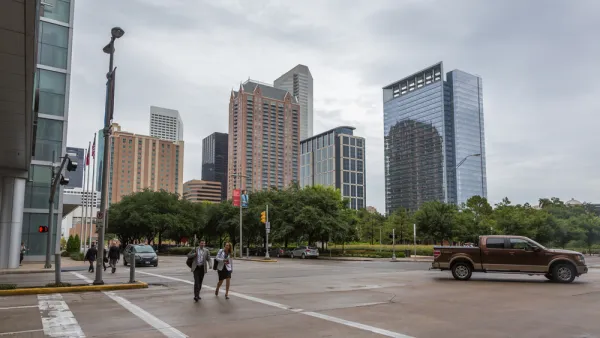
Walkability Plan, Including Parking Reform, Adopted in Houston
The city of Houston is embarking on an ambitious plan to reshape how new development in the city prioritizes walkability, and deprioritizes the automobile.
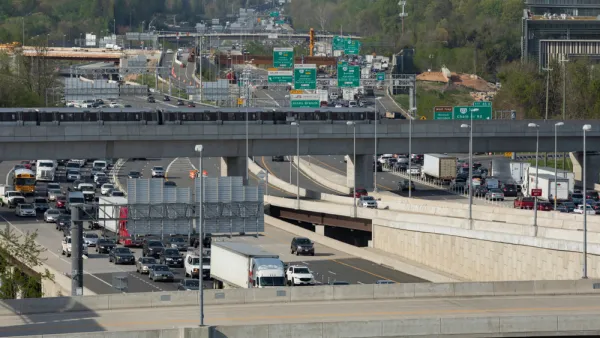
Car-Centric Choices Shortchange the Walkability Goals of the 2010 Tysons Comp Plan
Ten years after Tysons, an unincorporated community in Fairfax County, Virginia, approved an award winning comprehensive plan, there's still work to be done to achieve its ambitious goals.

Coronavirus Presents Opportunities for Resilience in Dallas
Dallasites have a history of responding to times of crisis with plans for reinvention. What could the city do to improve public life after the coronavirus pandemic?
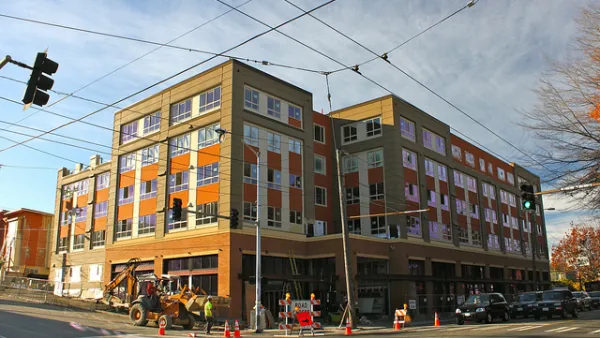
What Is Mixed-Use Development?
Long an urban norm, mixed-use neighborhoods fell out of favor in the United States in the automobile age as single-use zoning became common. These days, mixed-use development is back in vogue, but implementation remains a challenge.
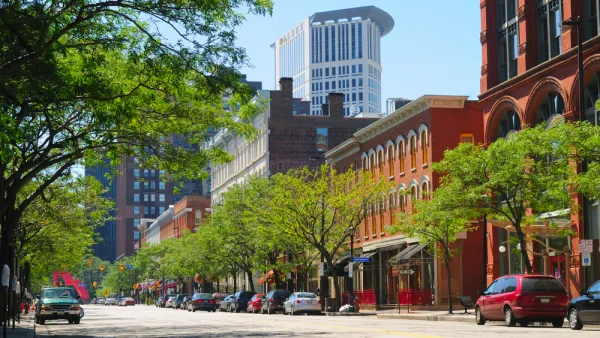
Zoning Code Update Makes the Nightly News in Cleveland
The potential of form-based codes to re-legalize the historic fabric of Cleveland is explained for the nightly news audience.
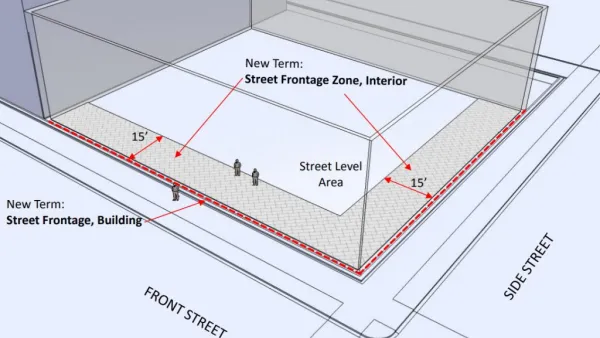
Milwaukee Updates Zoning Code to Encourage Walkability
The city of Milwaukee will require new commercial developments to include a 15-foot "street frontage zone" to encourage walking.
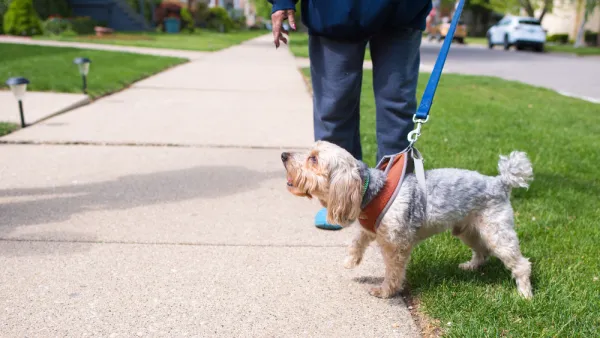
The Suburbs, Reimagined
Eight experts produce a "manifesto for a new suburbia."
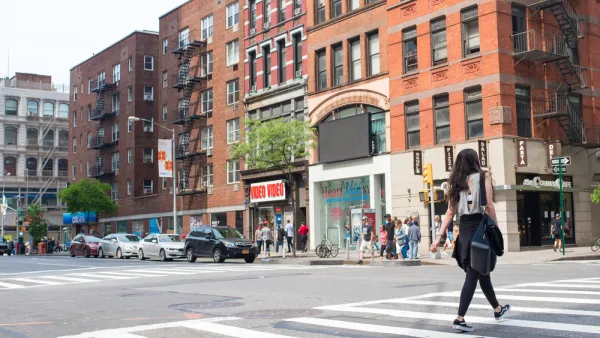
Walkable Neighborhoods Set the Stage for Upward Mobility, Study Says
New research out of the University of Virginia makes the case for walkable neighborhoods as incubators of economic mobility.

In D.C., Sidewalks Don’t Equal Walkability
In theory, sidewalks are what make cities walkable. But in Washington, D.C., many sidewalks are not accessible to the people who use them.
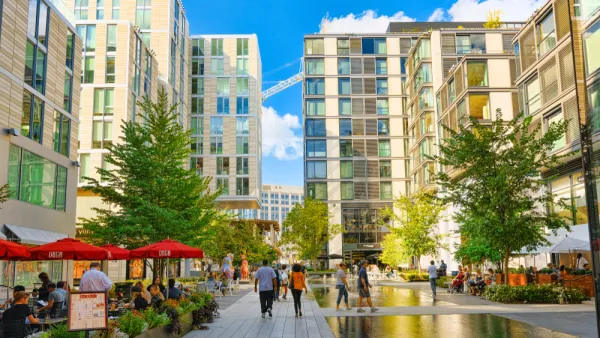
New D.C. Development Guidelines Require More Consideration of Walkability
Washington, D.C. recently released its first new guidelines for transportation review of new developments since 2012.
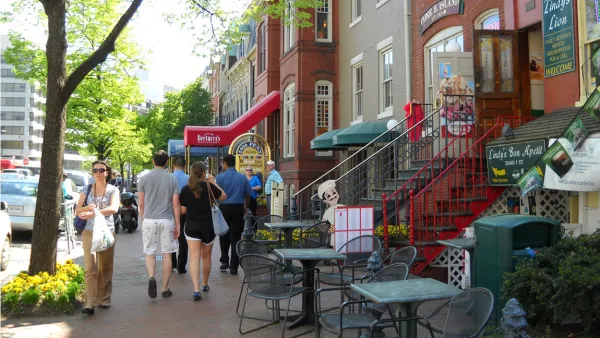
Walkable Neighborhoods Benefit Property Values
Walkable areas are more prosperous in cities all around the country, a report from Foot Traffic Ahead concludes.

Op-Ed: Good Design Isn't Just for Downtowns
Richard Driehaus attests to the importance of intentional, context-oriented design on the neighborhood level.

FREE Course: Walkable City 1: Why Walkability?
After describing his path towards focusing on walkability as the essence of good planning, Jeff Speck marches through his five principal reasons for making more walkable places.
Reinventing Malls: Planning Alchemy—Turning Gray Fields Into Gold
The course focuses on the opportunities and imperatives that shape reinvention of mall sites.

KFH Group Inc.
Greater Baltimore Committee
Eagle County Government
The Architects Foundation
University of Cincinnati Online
The Pocatello Development Authority
The Urban Renewal Agency of the City of Pocatello