Transportation Policy

How the ‘Big Beautiful Bill’ Impacts Transportation
Five ways the bill negatively impacts U.S. transportation policy.
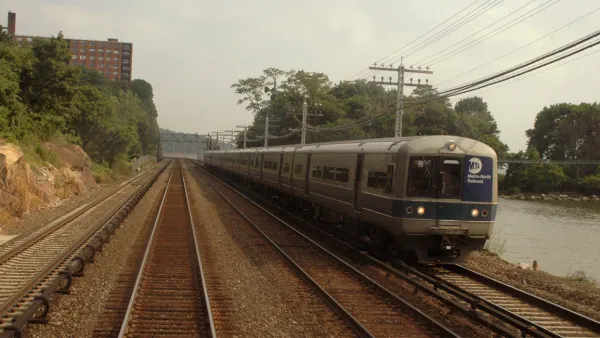
Presidential Transportation Innovations
A detailed list of each U.S. president’s contributions to transportation.
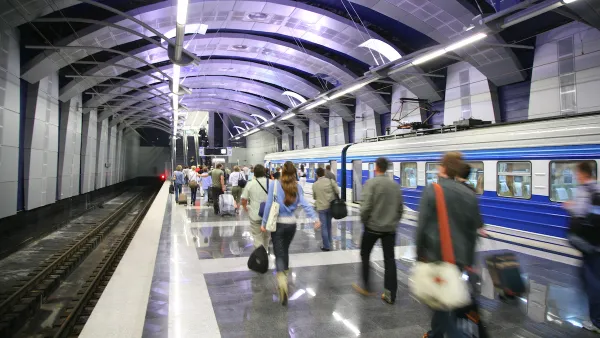
Freedom to Move: Investing in Transportation Choices for a Clean, Prosperous, and Just Future
This Union of Concerned Scientists study examines why and how to improve resource-efficient travel options to achieve diverse goals. It estimates that more efficient transport could save up to $201 billion in energy and $128 billion in health costs.
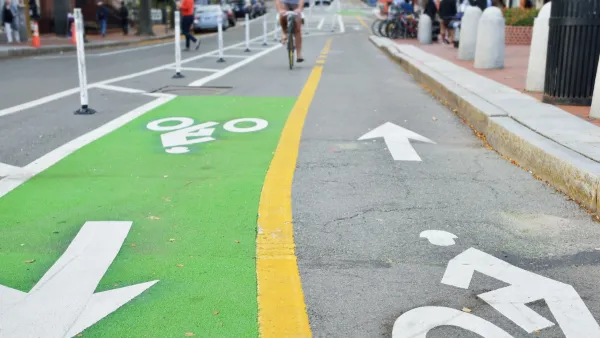
Book Review: Combining Sustainability and Smart Growth
A review of The Sustainable Urban Design Handbook, by architects Nico Larco and Kaarin Knudson.
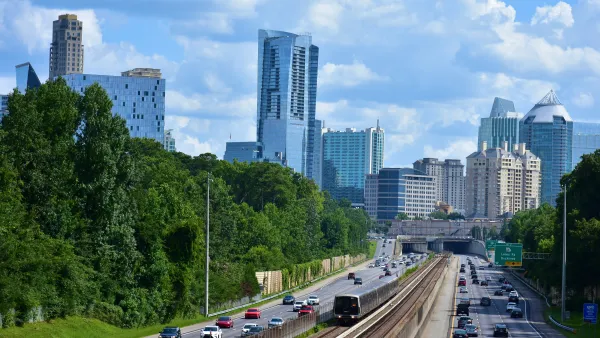
How Would Project 2025 Affect America’s Transportation System?
Long story short, it would — and not in a good way.
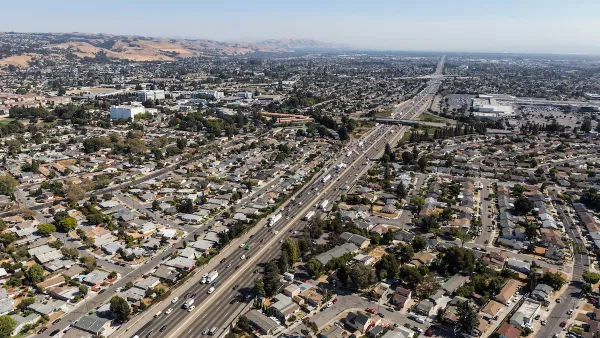
How Transportation Policy Impacts Public Health
One expert calls for collaboration between agencies in different fields to plan more thoughtfully for public health and equity.
‘Divided by Design’ Underscores Inequities in Transportation Policy
The report calls for a wholesale overhaul of U.S. transportation policy to redress the damages caused by decades of auto-centric development.

When Will We Believe in Induced Demand?
The well-documented concept has yet to catch on in state departments of transportation, but acknowledging it could dramatically transform U.S. transportation policy.
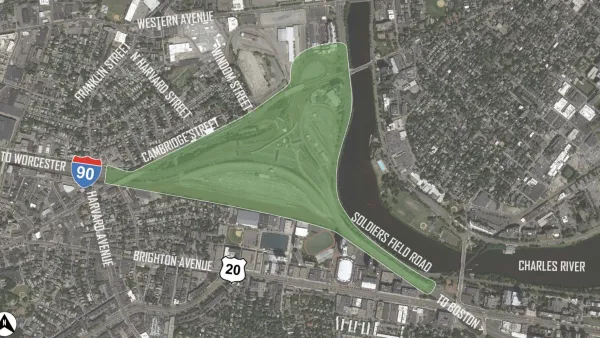
Imagining Alternatives to an Enlarged I-90 Viaduct in Boston
Massachusetts Department of Transportation plans to heighten and widen the Allston section of I-90 viaduct do not align with the community's desire for an environmentally friendly and pedestrian- and cycling-oriented new solution.
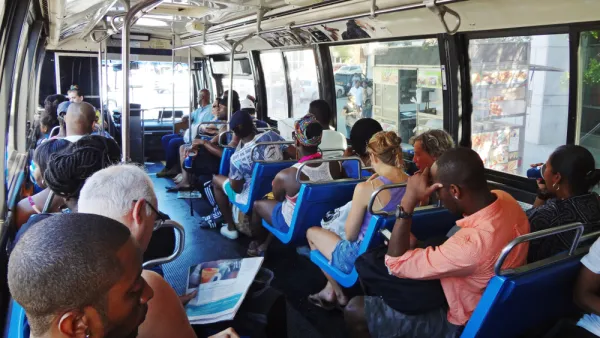
Three Key Calls to Action to Improve Racial Equity in Transit Policy
Important changes are necessary to promote racial equity in transit policy, governance, and agency recruitment, according to Darnell Grisby, director of policy development at the American Public Transit Association.
New for 2019: A Congressional Caucus for Public Transit
A new congressional caucus has been formed under the assumption that federal transportation policy is regressive and discriminatory.
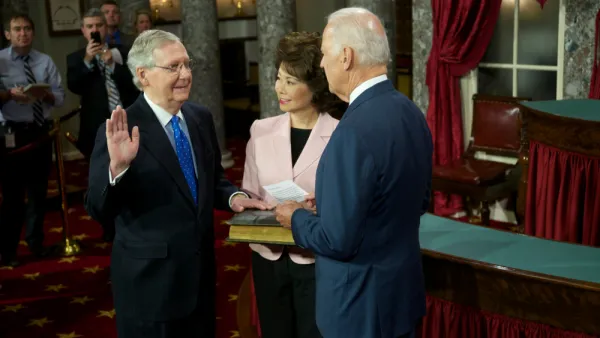
Kentucky Gets 25% of the Transportation Secretary's Time
When it comes to grants, one state has the attention of Transportation Secretary Elaine Chao above all others.
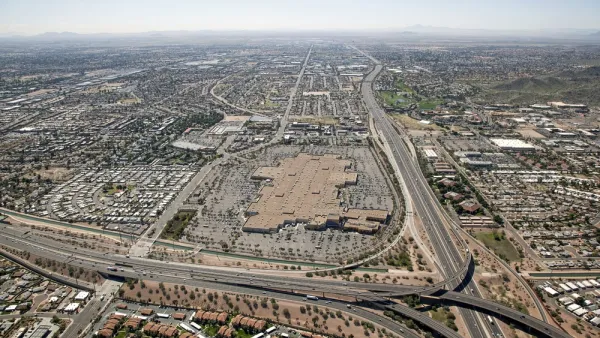
New Priorities, Not More Money, Need to Reform Federal Transportation Policy
Transportation for America, one of the leading advocacy organizations for multi-modal funding at the federal level, has announced a drastic change to its agenda.
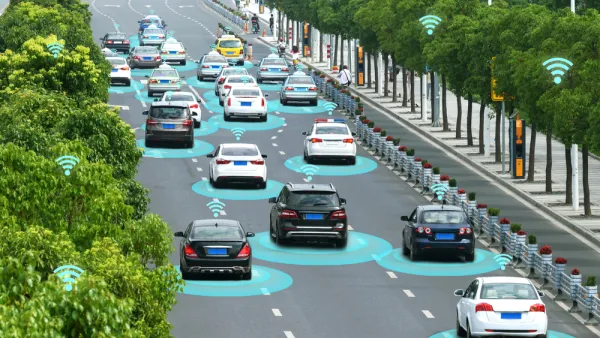
Planning Ahead for an Autonomous Vehicle Future
A new guide says cities need to plan now for AVs so they are not caught off guard when the technology finally arrives.
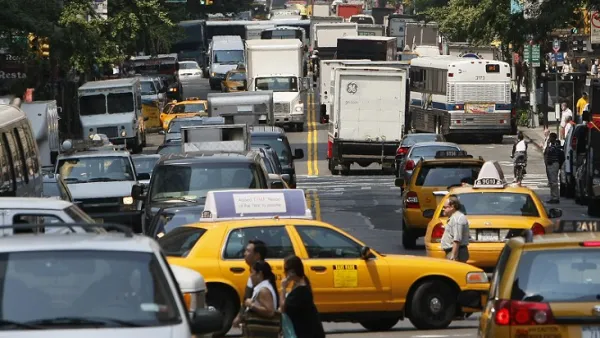
Cars Still Rule the Road. Is Change Possible?
The dominant narrative is that streets are for cars and infrastructure that accommodates driving is necessary for cities to grow. But cities ended up this way because of decisions that make other modes secondary.
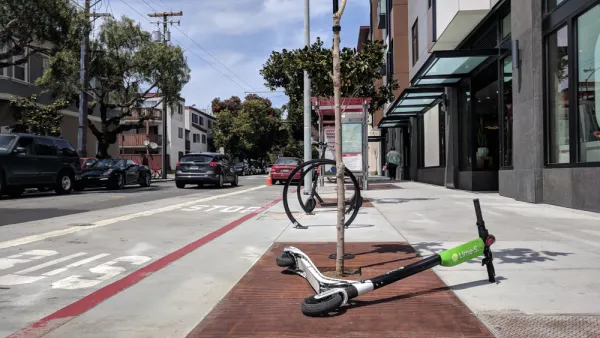
Scooter Companies Convene Advisory Groups to Promote Safety
Both Bird and Lime have organized boards of experts to conduct research and advise the companies as their micromobility ventures grow.
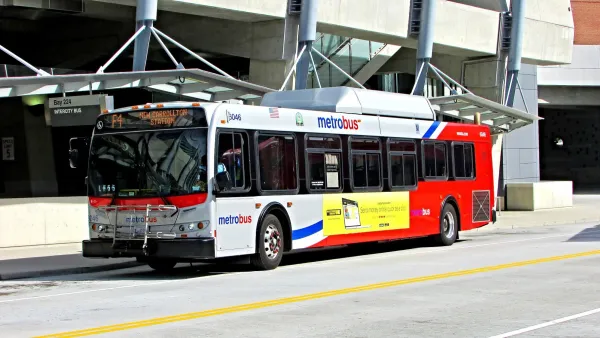
D.C.-Area Residents Want Bus Lanes and Free Transfers, Survey Shows
New survey findings identify transit priorities among residents in D.C. and surrounding areas, and indicate broad support for public investments.
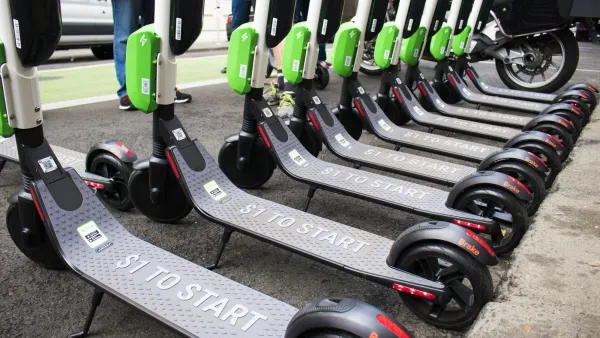
Research Shows Little Consistency in ‘Rules of the Road’ for Micromobility Devices
A new study indicates that cities across the country are defining and regulating personal transportation devices in very different ways.
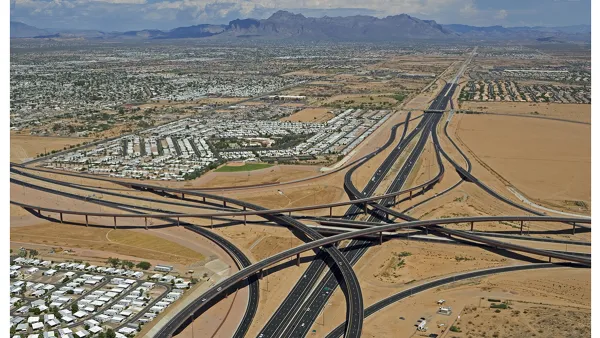
A Call for a New Approach to Federal Transportation Policy
According to this blog post, federal transportation policies are misdirected, inconsistent, and destructive. A comprehensive overhaul of federal transportation policy is necessary.
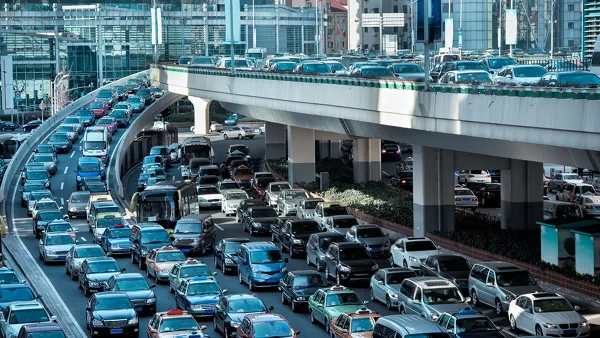
Opinion: Even the Green New Deal Repeats the Same Old Sprawling Mistakes
With infrastructure and housing prices in the national discussion more than ever before, the federal government still doesn't seem ready to really change its ways.

FREE Course: Walkable City 1: Why Walkability?
After describing his path towards focusing on walkability as the essence of good planning, Jeff Speck marches through his five principal reasons for making more walkable places.
Reinventing Malls: Planning Alchemy—Turning Gray Fields Into Gold
The course focuses on the opportunities and imperatives that shape reinvention of mall sites.

KFH Group Inc.
Greater Baltimore Committee
Eagle County Government
The Architects Foundation
University of Cincinnati Online
The Pocatello Development Authority
The Urban Renewal Agency of the City of Pocatello