Transportation Costs

Cost of living too high? Planners to the rescue!
Excessive costs of living force many people to work more than optimal hours, leaving less time for family and fun. Local policies that favor affordable housing and transportation increase freedom, opportunity and happiness.
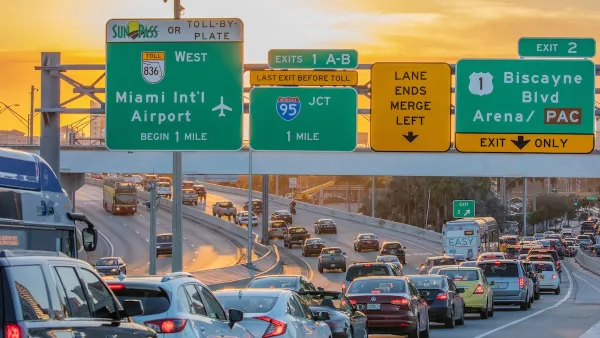
Miami, Houston Residents Spend Most on Transportation
South Floridians and Houstonians spent roughly 20 percent of their income on transportation in regions that offer few alternatives to driving.
USDOT: Low-Income Households Bear Highest Transportation Cost Burden
Transportation costs are the second-highest household expenditure behind housing for all income levels.
How Transportation Costs Vary Across US Cities
A new analysis reveals how annual transportation costs compare around the country.
Clearer Thinking About Transportation Pricing
It’s time to reform transportation pricing to reduce traffic congestion, crashes, and pollution, and improve non-auto travel options. Raise my prices, please!
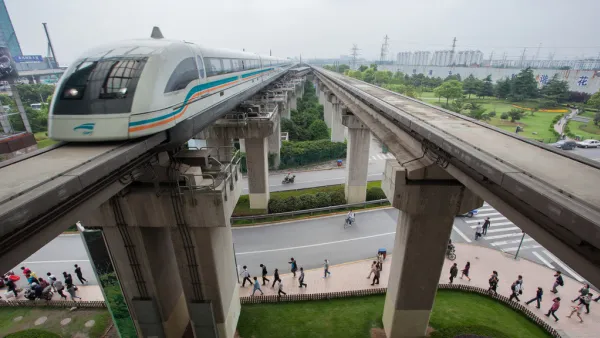
Our World Accelerated: Analyzing the Impacts
During the last 120 years, our mobility increased by an order of magnitude, but so did associated costs. Are we better off? Could we do better?
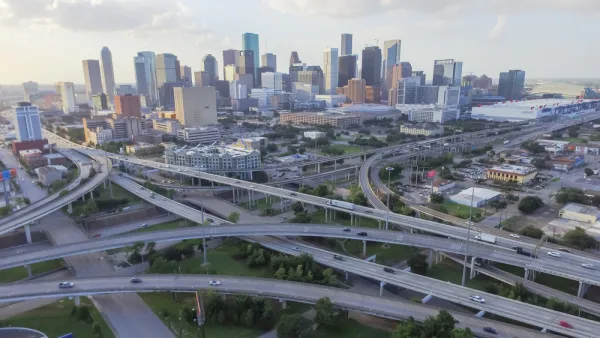
Houston More Expensive Than New York? Not So Fast
A recent study claiming that transportation costs in Houston, among other expenses, raise the cost of living almost to the same level as living in New York City. Some took exception to the study's methodology.
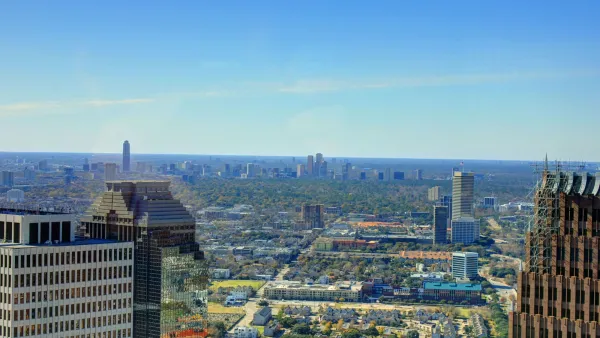
Houston Just as Expensive as New York City, Study Says
The extra costs of automobile dependency turn assumptions about affordability on their head, according to a recently published report by the Citizens Budget Commission.
Better Planning with More Comprehensive Transportation Cost Analysis
Transportation planning decisions often involve trade-offs between various economic impacts, including direct user costs, and various external costs imposed on other people. All of these impacts should be considered in planning analysis.
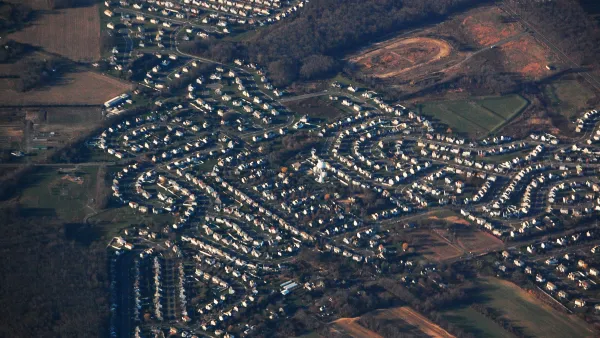
The International Sprawl Tax
Compared with European averages, U.S. and Canadian residents spend 30-50 percent more money and time on transport due to dispersed, automobile-dependent development.
A Dissenting Opinion on the Subject of Compact, Affordable Cities
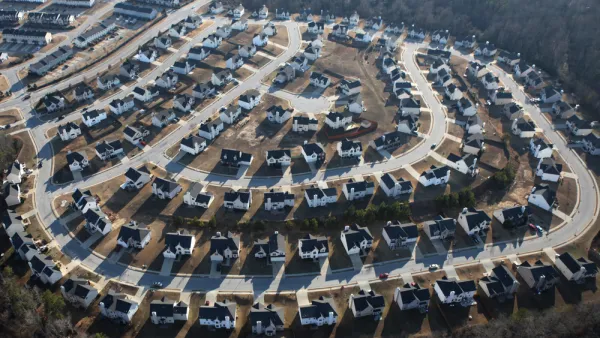
Writing for New Geography, Fannis Grammenos expresses skepticism that more compact cities are more affordable cities. In fact, Grammenos argues that just the opposite is true.
Shoup Op-Ed: Planners Can Help the Poor By Reducing Parking Requirements
Put another way, Shoup's case against parking requirements is that they make life harder for the poor.
On the Benefits of Traffic Signal Removal
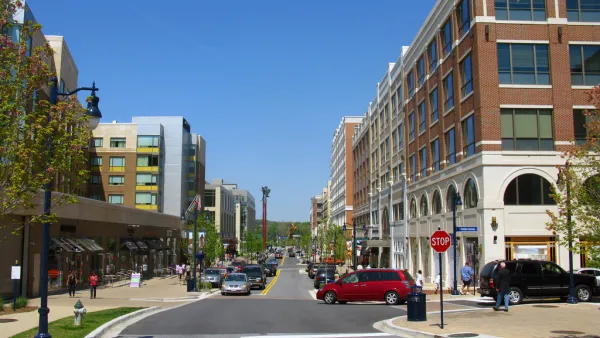
Certain intersections stand to gain from losing their traffic lights. According to this study, cities can save money and improve safety by uninstalling signals in low-traffic zones.
Affordability As A Transportation Planning Objective
Transportation system users rate inaffordability as a top concern, but conventional planning ignores this issue. Increasing transport affordability requires changing planning practices to favor more affordable modes and more accessible development.
Biking Saves Billions
A new study released on Friday, coinciding with National Bike to Work Day, finds that bicyclists in the United States save at least $4.6 billion a year by riding instead of driving, reports Tanya Mohn.
New Study Ties Housing Affordability to Sustainability
Sarah Laskow reports on a new study by the Center for Neighborhood Technology (CNT) that seeks to rethink how affordable housing is defined to incorporate transportation costs.
Why Transportation Projects Are Expensive
David Levinson poses some possible answers, such as inaccurate project scopes, insufficient economies of scale, and an increase in safety standards.
HUD's Donovan on Transportation and Housing Costs
HUD Secretary Shaun Donovan talks with PBS about the department's new approach of integrating transportation and housing policy.
The Personal Cost of Transportation
A new website created by the Center for Neighborhood Technology calculates how much an average household in your neighborhood would spend on transportation, with results for cars and public transit.

FREE Course: Walkable City 1: Why Walkability?
After describing his path towards focusing on walkability as the essence of good planning, Jeff Speck marches through his five principal reasons for making more walkable places.
Reinventing Malls: Planning Alchemy—Turning Gray Fields Into Gold
The course focuses on the opportunities and imperatives that shape reinvention of mall sites.

KFH Group Inc.
Greater Baltimore Committee
Eagle County Government
The Architects Foundation
University of Cincinnati Online
The Pocatello Development Authority
The Urban Renewal Agency of the City of Pocatello