Public Transit

State Bill Could Kill Indy BRT Line
A law proposed in the Indiana state legislature would ban dedicated bus lanes and force IndyGo to cancel a planned bus rapid transit line to the city's airport.
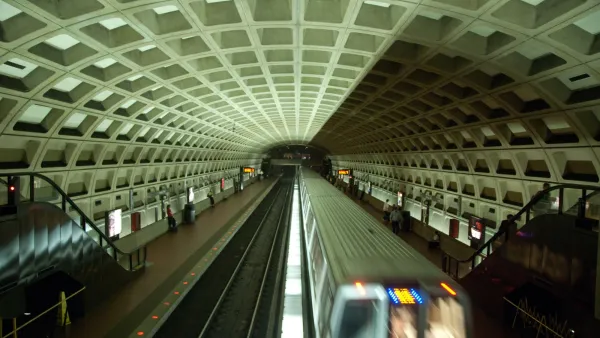
What Transit Systems Can Learn From D.C. Metro
The nation's second-largest transit system—and one of its newest—persists in the face of a host of challenges exacerbated by the pandemic.
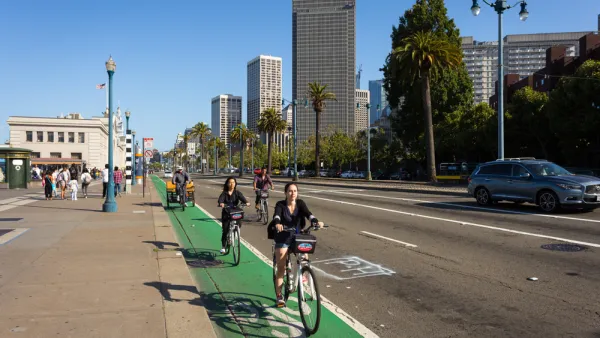
Caltrans Issues New Complete Streets Policy
A policy released by the California Department of Transportation in December will require Complete Streets elements in all state road projects.
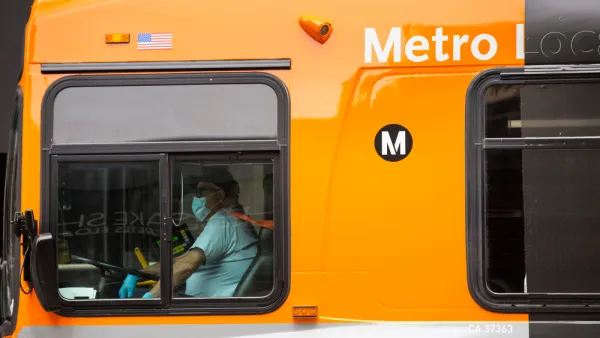
Omicron or No—Transit No Longer Free in Los Angeles
Metro Los Angeles is rolling back public health measures on its buses systemwide in the middle of the worst Covid wave of the entire pandemic.
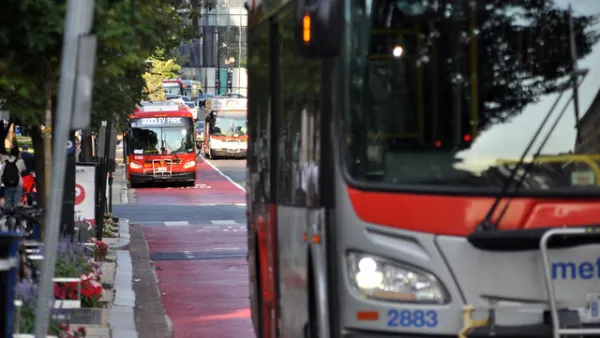
D.C. Bus Priority Plan To Expand Bus Lanes and Improve Service
A new plan from DDOT describes 51 bus priority projects aimed at improving service and making transit accessible to more D.C. commuters and residents.
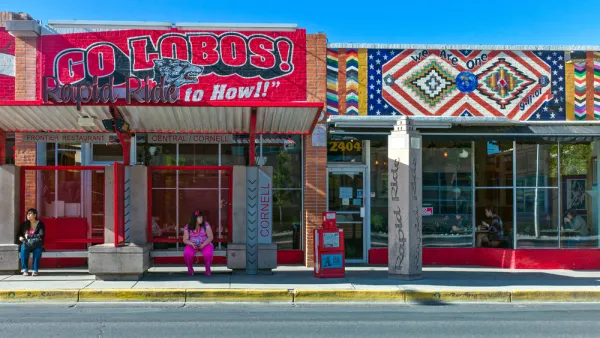
Albuquerque Buses Go Fare-Free for 2022
Albuquerque is the largest U.S. city yet to offer free rides on its entire system of buses with a one-year pilot program that launched at the beginning of the year.
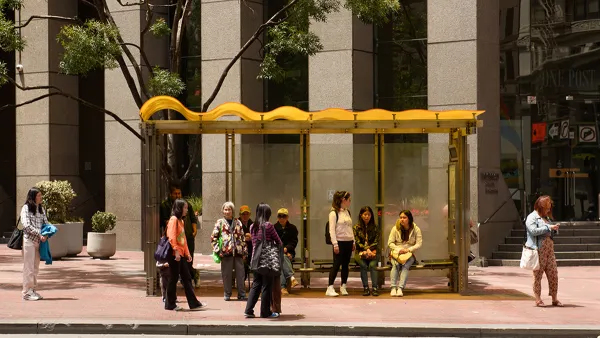
Transit Agencies Direct Resources to Core Ridership
As commuter ridership continues to lag due to the pandemic, transit systems are adjusting to better serve the essential workers and transit-dependent households who need them the most.
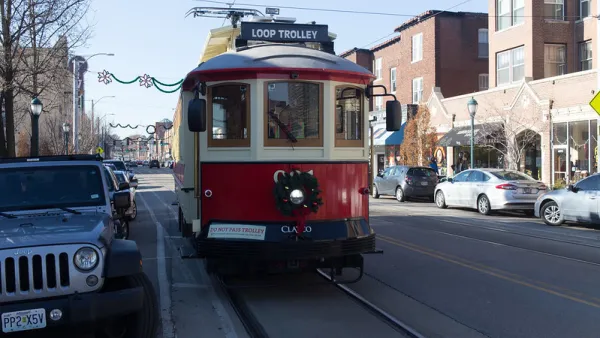
The Uncertain Future of the St. Louis Loop Trolley
St. Louis faces losing federal funds if the Loop Trolley remains defunct. But is the 2.2-mile line worth it?
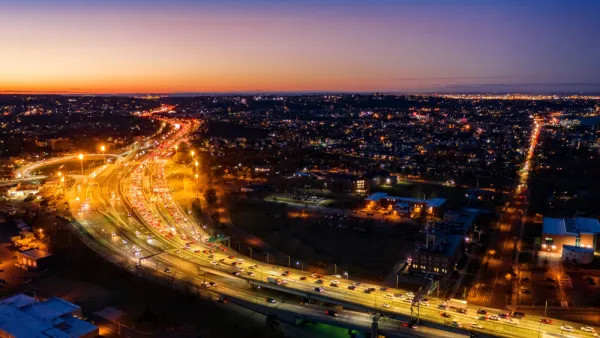
Manhattan Traffic Spreading to Other Boroughs
New travel patterns and an increased reliance on delivery services and ride-hailing are creating more congestion in New York's outer boroughs.
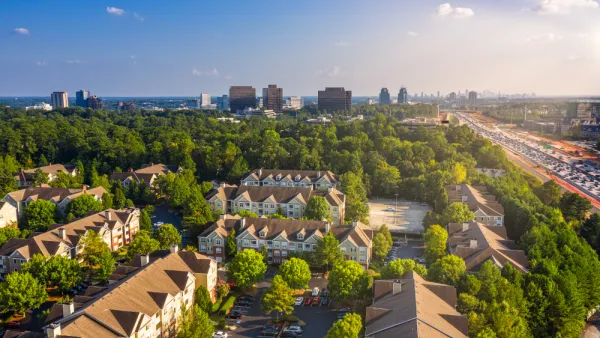
Report Links Housing Growth and Climate Resilience
Data from three U.S. metro areas show a failure to address land use and sprawl as a key factor driving climate change.
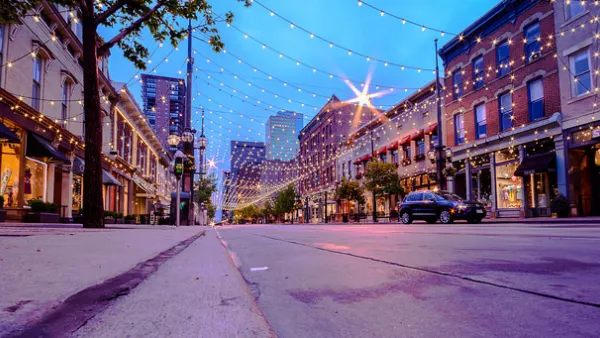
Colorado To Prioritize Climate Impacts in Transportation Projects
Under new state regulations, Colorado transportation projects will be required to reduce GHG emissions and promote more sustainable transportation modes.
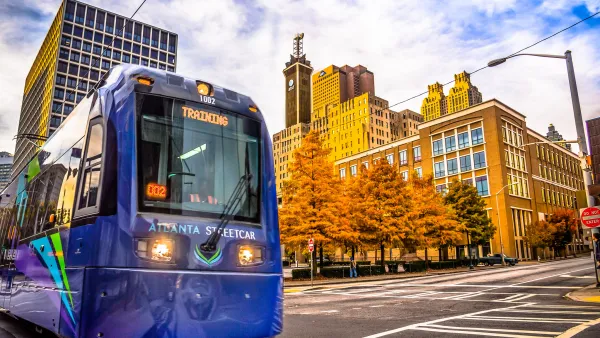
Expansion Planned for Atlanta Streetcar
A proposed expansion of Atlanta's beleaguered downtown streetcar could turn the 'novelty' line into a truly useful transportation option in the car-centric city.
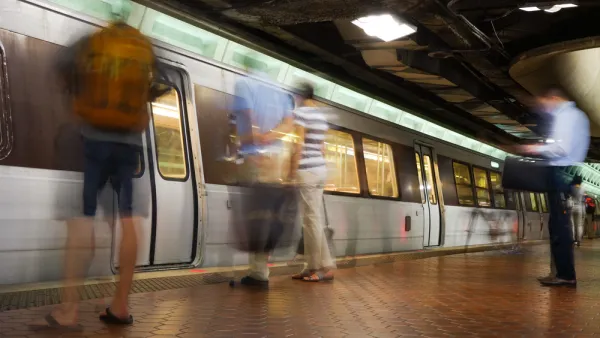
Study: D.C. Region Must Take Aggressive Steps To Reach Climate Goal
To achieve its stated emissions reduction goal, the Greater Washington area must sharply reduce driving and speed up the adoption of electric vehicles.
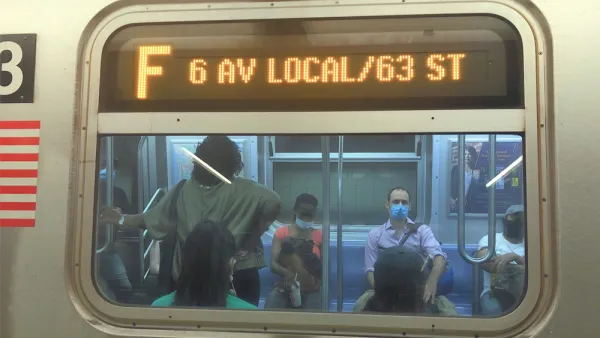
How Rail Transit Ridership Changed During the Pandemic
Almost all heavy rail transit stations lost riders in 2020, but some stations lost far fewer riders than others. The data reveals lessons for transit planning beyond the end of the pandemic (whenever that happens).
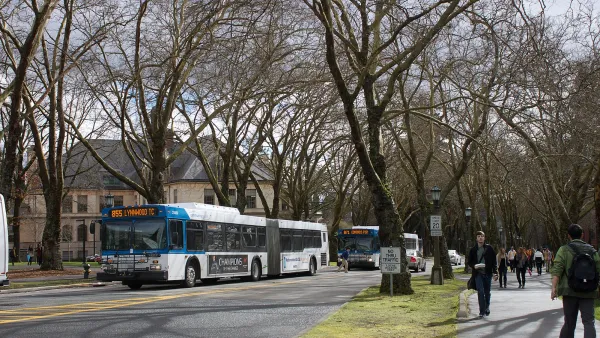
How Inadequate Transit Harms College Students
A lack of access to affordable and reliable transit is being cited as a major reason why many college students don't finish school.
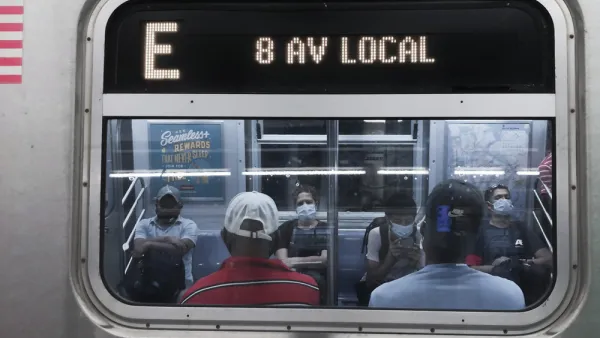
New York MTA to Cap Weekly Transit Fares
Public transit agencies are getting creative in the effort to bring riders back to buses and trains.
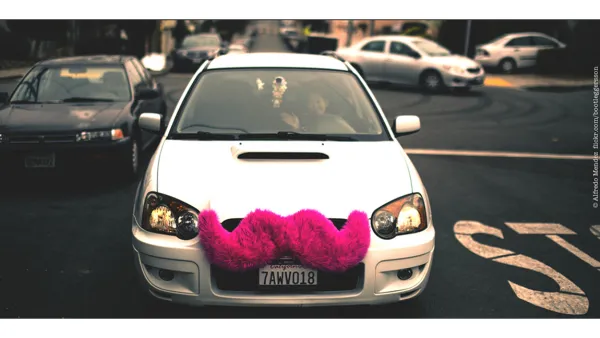
What Are Transportation Network Companies?
Transportation Network Companies (TNCs), provide on-demand transportation services through app-based platforms to create a new level of convenience for riders—and a host of challenges for policymakers and regulators.
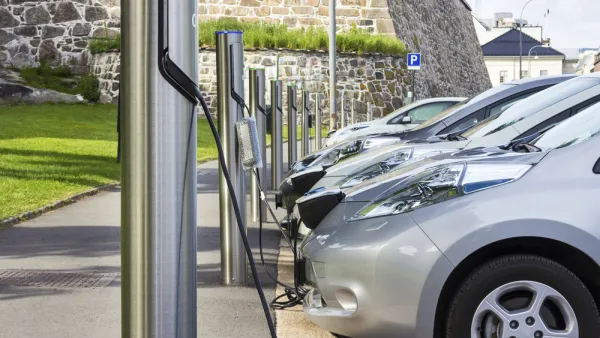
Study: EV Adoption Isn't Enough. Car-Centric Culture Needs To Change.
The focus on electrifying personal vehicles misses the opportunity to transform urban transportation systems, reduce congestion, and make cities more affordable.
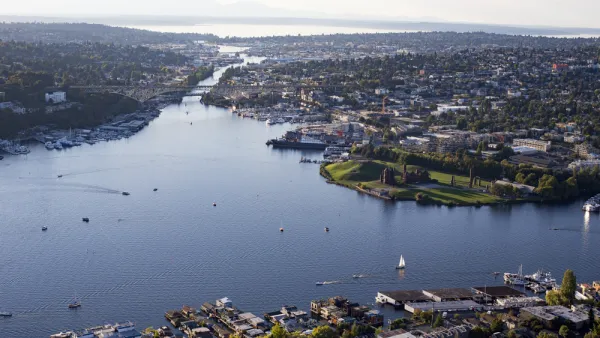
Puget Sound Transportation Plan Fails To Meet Emissions Goals
A draft regional transportation plan for the Puget Sound region does not go far enough to significantly reduce emissions and meet climate goals.
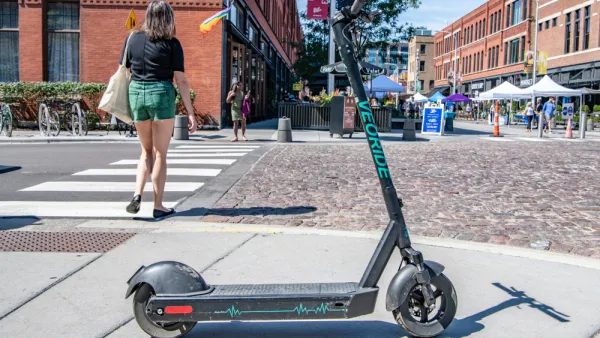
Lessons From Five Years of E-Scooters
As cities continue to adapt micromobility regulations to address new devices and technologies, what can we learn from Chicago's five years of e-scooter pilots?

FREE Course: Walkable City 1: Why Walkability?
After describing his path towards focusing on walkability as the essence of good planning, Jeff Speck marches through his five principal reasons for making more walkable places.
Reinventing Malls: Planning Alchemy—Turning Gray Fields Into Gold
The course focuses on the opportunities and imperatives that shape reinvention of mall sites.

City of Charlotte
City of Rosemead
Rutgers University, Edward J. Bloustein School of Planning and Public Policy
University of Michigan School for Environment and Sustainability (SEAS)
Hunter College, City University of New York (CUNY)
The Architects Foundation
University District Partnership









