Minimum Parking Requirements
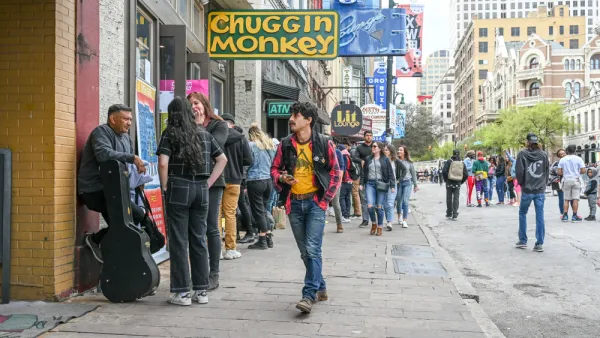
Austin Could Eliminate Parking Minimums for Bars
Proponents of the resolution say the city’s parking mandates encourage drunk driving and drive up construction costs for small businesses.

Maps: How Much of Your City is Parking?
The percentage of land dedicated to parking in the central districts of major U.S. cities ranges from 4 percent to as much as 42 percent.

Rethinking the Role of Parking in the American City
In cities big and small, the tide is turning against sprawling parking lots, car-centric development, and minimum parking mandates.

Utah Could Eliminate Parking Requirements Near Transit
A proposed state bill would bar cities from requiring parking in areas adjacent to transit stations in an effort to make housing production more affordable and encourage walking and transit use.

Bend Eliminates Parking Minimums
The city is complying with an Oregon state mandate that some cities have challenged in court.

San Jose Eliminates Parking Minimums
The California city is the largest in the country to abolish parking requirements, joining a bevy of other localities that are shifting to less car-oriented development.
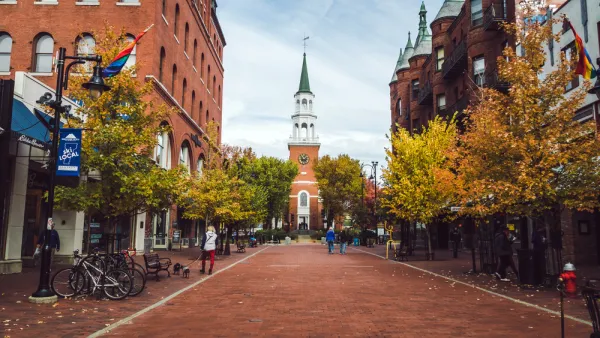
Burlington Could Eliminate Parking Requirements Citywide
A proposal to eliminate parking minimums in the entire city would also expand Burlington’s Transportation Demand Management program.

How Banks Perpetuate Overbuilt Parking
Even as cities and states are reducing or eliminating parking requirements, lenders often require parking to release loans to developers.

The Death of Parking Requirements
More cities and states are recognizing the harmful impacts of minimum parking requirements, which in many cases have accelerated sprawl and raised the cost of housing construction.

Opinion: Why Anchorage Should Eliminate Parking Minimums
With an average of eight parking spots per one car, U.S. cities have a glut of parking. How can valuable urban space be used more effectively?
California Poised To Eliminate Parking Requirements Near Transit
A state bill awaiting Governor Gavin Newsom’s signature would prohibit parking mandates in neighborhoods within half a mile of transit.
Strong Towns: For Better Cities, End Parking Subsidies
The parking mandates and subsidies prevalent in American cities stifle development and remove agency from property owners and residents.
Zoning Reform Works, but Is No Magic Bullet
Improving housing affordability and boosting housing production requires more than just eliminating single-family zoning.

Minneapolis Housing Plan a Success—Not for the Reason You Think
Housing advocates praise the city’s move to eliminate single-family zoning by legalizing triplexes on single-family lots, but that isn’t why housing construction is growing.

Miami’s Return to Parking Minimums a Mystery to Housing Advocates
The city’s decision to reinstate parking requirements for housing developments will likely slow the recent boom of ‘missing middle housing’ construction.
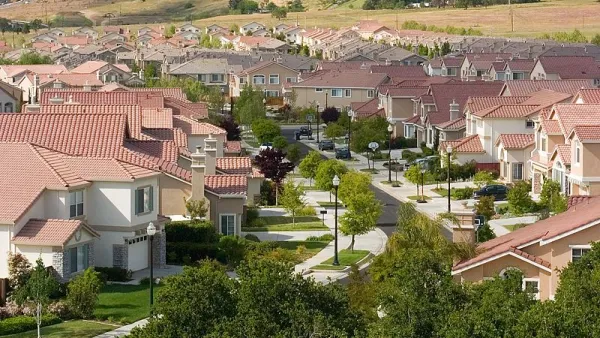
More Evidence Upzoning Alone Won't Boost Housing
Experts caution that to encourage significant new housing production, other zoning reforms that reduce costs and streamline permitting should accompany increased density requirements.
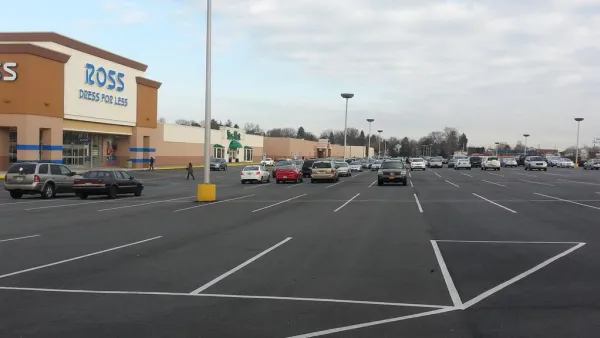
Progressive Political Support Sought for Parking Reforms
Despite mounting evidence that parking requirements subsidize cars, raise the cost of housing, and contribute to greenhouse gas emissions, few policymakers have strongly advocated to end them.
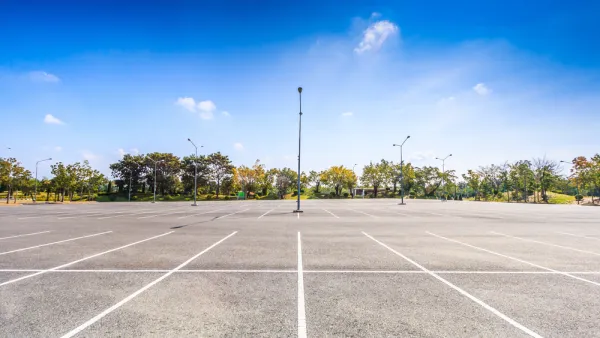
Parking Reform Map Shows Which Cities Have Eliminated Parking Minimums
As part of #BlackFridayParking week, a crowd-sourced map tracks the growth of the parking reform movement in U.S. cities.
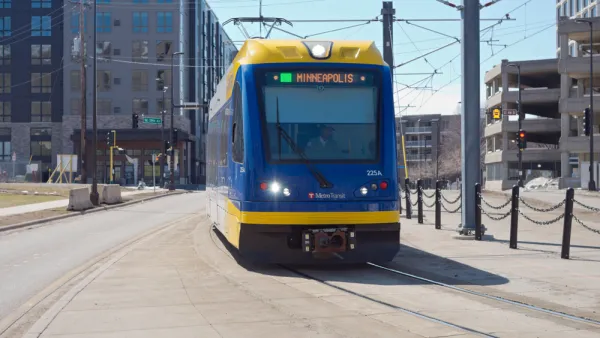
Three New Programs to Increase Transit Ridership in the Twin Cities
With peak hour commuter travel not expected to rebound to pre-pandemic levels, Metro Transit is getting creative in its efforts to attract new riders.

How to Abolish Parking Minimums: Lessons from the Twin Cities
Cities around the country are eliminating parking minimums in an effort to reduce the costs of housing construction and encourage car-free living.

FREE Course: Walkable City 1: Why Walkability?
After describing his path towards focusing on walkability as the essence of good planning, Jeff Speck marches through his five principal reasons for making more walkable places.
Reinventing Malls: Planning Alchemy—Turning Gray Fields Into Gold
The course focuses on the opportunities and imperatives that shape reinvention of mall sites.

One Hundred Miles
County of Mendocino
planning NEXT
The Architects Foundation
University of Cincinnati Online
Montrose County
Northern Illinois Transit Authority (NITA)
The Pocatello Development Authority









