Minimum Parking Requirements
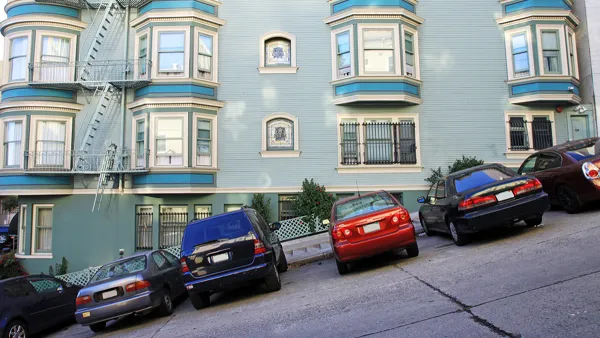
San Francisco Approves 'Parking Flexibility Ordinance'
A newly approved ordinance in San Francisco will allow new flexibility for the city parking regulations, relaxing parking restrictions in multiple situations that apply all over the city.
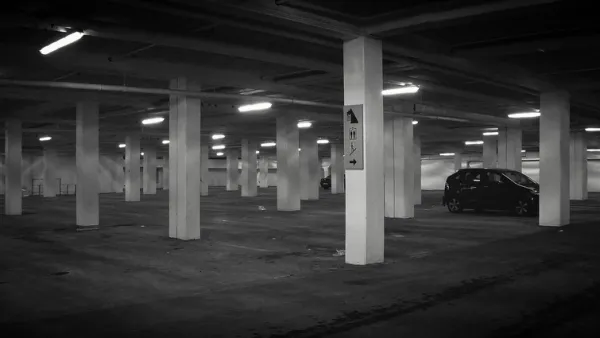
A Parking Paradox
Minimum parking requirements affect developer behavior most where they are most controversial: in downtown neighborhoods. In suburbs where they may just mimic the market, the arguments for such rules are paradoxically even weaker.
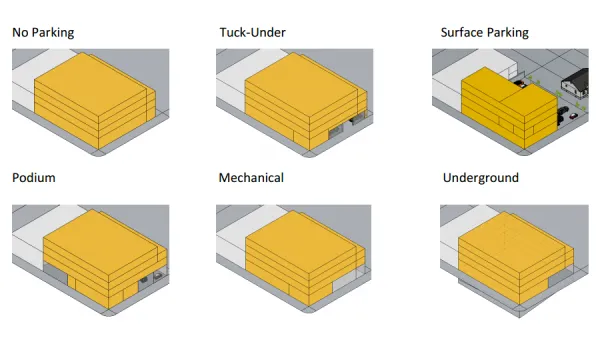
How Parking Rules Raise Rents
Alan Durning details the negative effects that parking requirements have on housing affordability.
How Flexible Parking Requirements Spur Economic Development
A UCLA master's student and Don Shoup found that Santa Monica, CA's flexible parking requirements have led to significant fiscal and urban form benefits. A sample of parcels showed eight-times more sales tax revenue per sq. ft. than a control group.
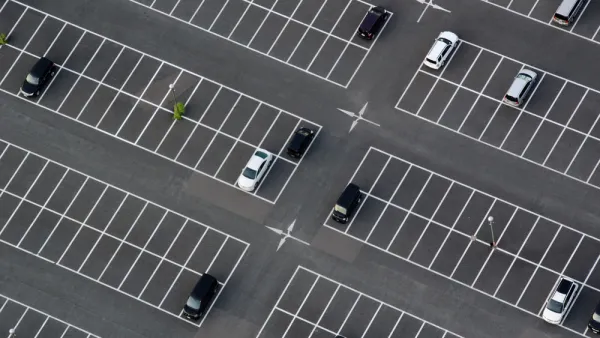
From Peak Car to Peak Parking?
Fewer cars on the road, less driving, why not fewer parking spots? Cities like D.C., L.A., Denver, Philadelphia are responding by reducing or eliminating parking minimums, while Portland, which had already eliminated them, are bringing them back.
D.C. Updates its Zoning Code to the Delight of Some, and Horror of Others
Washington D.C. is embarking on the first update to its zoning code since 1958. In advance of consideration by the city's Zoning Commission next spring, controversy has erupted around - you guessed it - parking!
Shoup To APA: Let Planners Lead on Parking Requirements
Donald Shoup explains his disappointment with the American Planning Association's opposition to California legislation (AB 904), that would cap minimum parking requirements.
Parking Garages Built to Zoning, Are Half Empty
In a popular new development in Brooklyn built near transit, 50% of parking spaces are going unused. Why are parking requirements so overspec'ed?, asks Jeremy Smerd.
California Considers Full-Cost Parking Bill
Having stalled in the state Senate last June, a bill that aims to "reduc(e) governmental or government-required subsidies for parking" passed out of the senate on Jan. 28. Parking strategies would be eligible for cap & trade credits under the bill.

FREE Course: Walkable City 1: Why Walkability?
After describing his path towards focusing on walkability as the essence of good planning, Jeff Speck marches through his five principal reasons for making more walkable places.
Reinventing Malls: Planning Alchemy—Turning Gray Fields Into Gold
The course focuses on the opportunities and imperatives that shape reinvention of mall sites.

One Hundred Miles
County of Mendocino
planning NEXT
The Architects Foundation
University of Cincinnati Online
Montrose County
Northern Illinois Transit Authority (NITA)
The Pocatello Development Authority









