Induced Demand
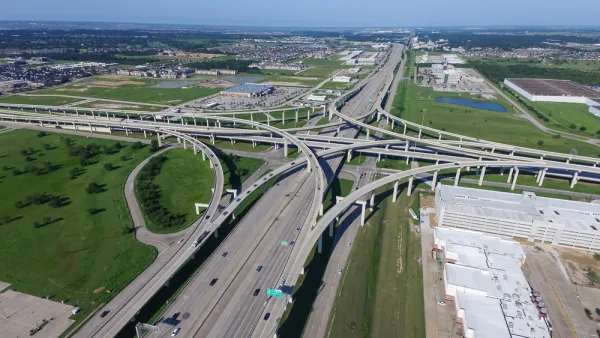
Watch: How Induced Demand Explains the Vicious Cycle of Congestion
A new Vox video tackles the controversial and counterintuitive concept of induced demand.
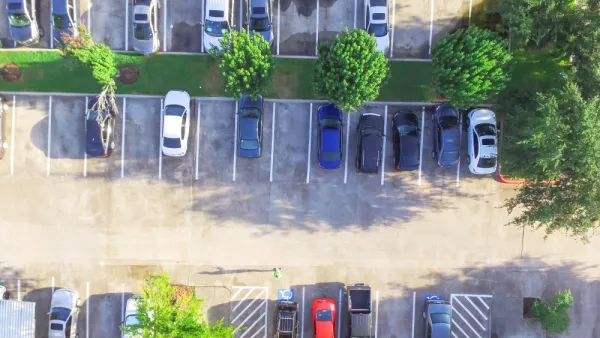
Parking Induces Driving, Study Says
New research published in the Urban Studies journal does the difficult work of connecting the dots between parking and driving.

Ride-Hailing Industry Induces Car Ownership, Research Says
New research from researchers at Carnegie Mellon University finds that instead of setting people free from cars, more people are buying and using cars than ever before.
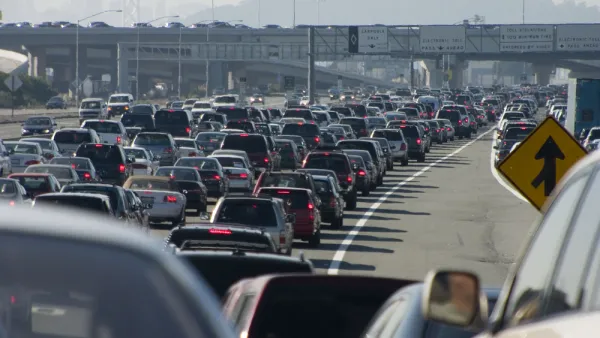
Failing to Account for Induced Traffic, Even When the Public Demands It
Induced traffic occurs when new highway capacity speeds up traffic, allowing travelers to drive further, increasing sprawl. A review of major highway project plans finds that most fail to accurately account for induced travel effects.
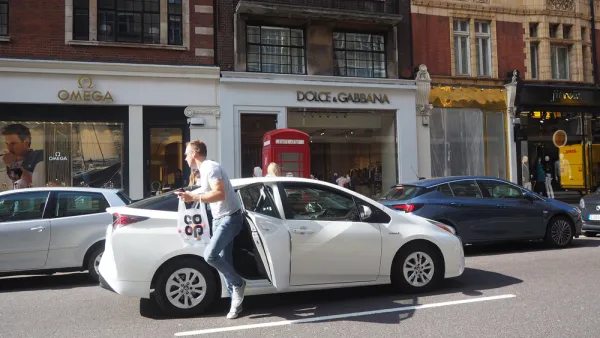
Ride-Hailing Companies Greatly Increase Pollution, Study Says
The reality of ride hailing has fallen well short of the wishful thinking about reduced congestion and reduced pollution that defined the early days of Uber and Lyft.
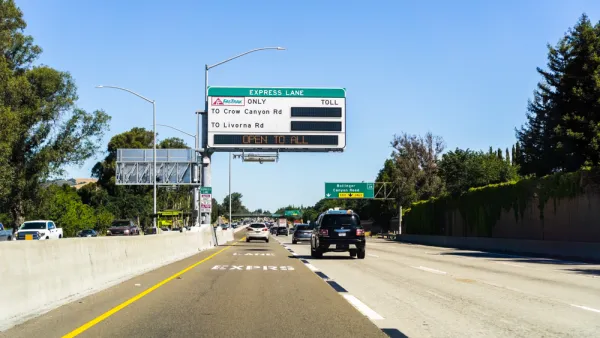
More Toll Lanes Coming to California Freeways
Solo drivers in the Golden State will have more options to escape traffic congestion on busy freeways – for a price, as transportation agencies increasing decide to convert existing carpool lanes to high-occupancy toll lanes and add new ones.
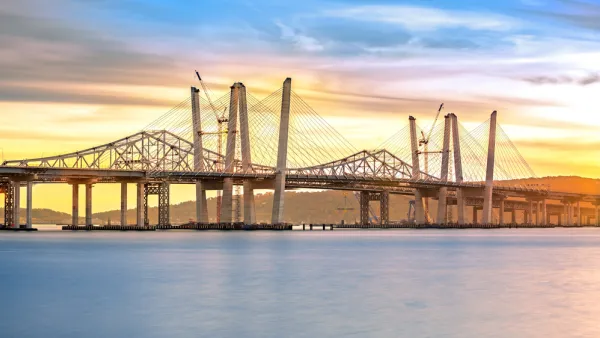
$4 Billion Later, the New Tappan Bridge More Crowded Than Ever
Traffic data shows more and more cars and trucks using the new Tappan Zee Bridge in 2019, in what looks like an obvious case of induced demand.
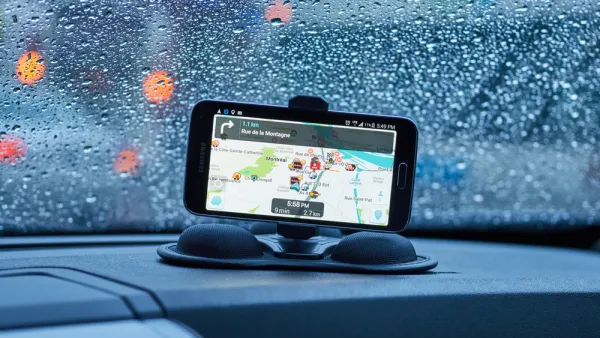
Are Traffic Apps More a Problem Than a Solution?
The companies behind navigation apps say they want to decrease congestion in cities. But a tool that is essentially designed to help individuals isn’t going to provide a collective benefit.
Study Finds a Way to Duplicate the Effect of Self-Driving Cars: Chauffeurs
A small group of test subjects, enabled with the use of a chauffeur, increased driving distances by a collective 83 percent.
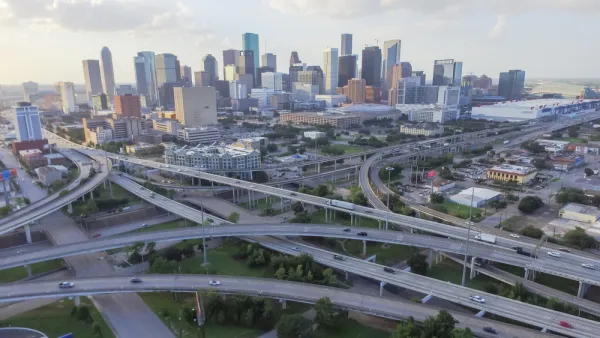
Speck: Don't Widen I-45 in Houston
Jeff Speck, planning consultant and author of Walkable City, writes an opinion piece for the Houston Chronicle to oppose the plan to widen the I-45 freeway in Houston.

Doubt Cast on Induced Demand for Housing
Applied to roads, the theory of induced demand says new construction only brings out more users. But can something similar be said of housing? According to this research, the likely answer is no.
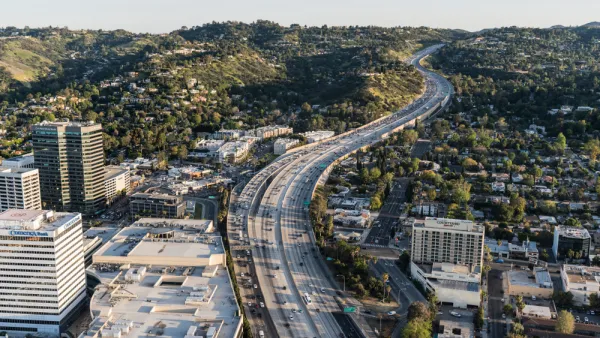
Five Years After $1 Billion Freeway Expansion, Traffic Only Gets Worse
The lesson of the I-405 widening project that birthed meme-worthy events like "Carmageddon": widening a freeway won't reduce congestion for long, if ever.
Induced Demand, Explained
CityLab University tackles a widely misunderstood concept: induced demand.
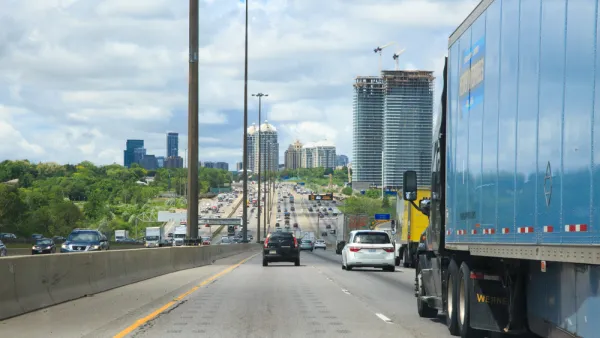
Highway Expansion Proposal Stirs Debate in Toronto
A pro-business group in Toronto wants to expand a highway, but a Toronto columnist wants to make readers aware of why the plan might not work out as hoped.
Report Calls I-270 Expansion an Expensive Mistake
U.S. PIRG's list of 'Highway Boondoggles' puts Maryland's $9 billion I-270 expansion among the worst projects in the country.
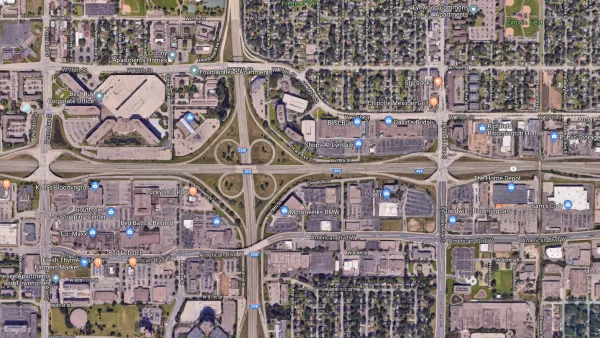
Nine Highway Expansions Identified as Worst Boondoggles of 2018
In a new report, U.S. PIRG and the Frontier Group describe nine costly highway projects amounting to $30 billion in their fourth annual "Highway Boondoggles" report. All share the theme of induced travel demand.
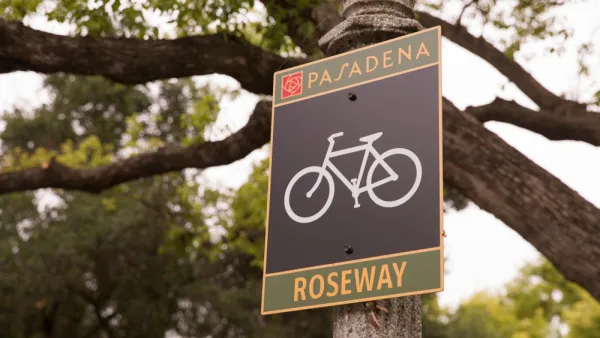
Shouting Down Road Diets
In car-dependent communities, road diets and bike lanes can be a tough sell.

Op-Ed: 'Public Mood' Has Turned Against Cars in Cities
A survey of recent planning decisions demonstrates that cities are no longer necessarily looking to more and bigger highways to solve their traffic problems.
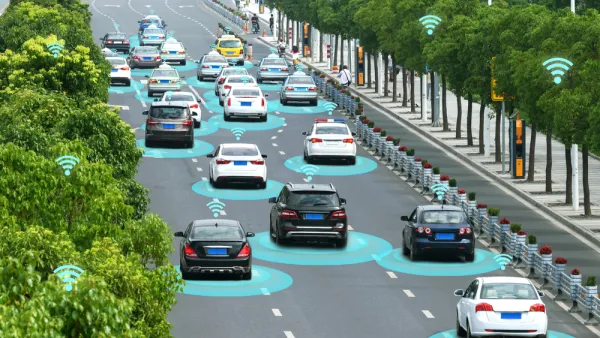
Autonomous Vehicles Present Opportunities to Change Cities
How we pay for our roads will play a big role in what happens to cities when autonomous vehicles become common place in cities.
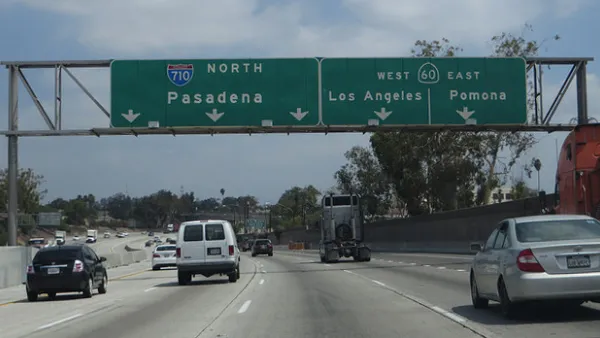
A Traffic Solution 'Straight Out of the 1950s'
That's how the Los Angeles Times editorial board characterized the $6 billion plan by Los Angeles Metro to widen the 710 freeway. "A waste of money," they assert. Key to the solution is how to deal with goods movement from the seaport complex.

FREE Course: Walkable City 1: Why Walkability?
After describing his path towards focusing on walkability as the essence of good planning, Jeff Speck marches through his five principal reasons for making more walkable places.
Reinventing Malls: Planning Alchemy—Turning Gray Fields Into Gold
The course focuses on the opportunities and imperatives that shape reinvention of mall sites.

City of Rosemead
Rutgers University, Edward J. Bloustein School of Planning and Public Policy
One Hundred Miles
Hunter College, City University of New York (CUNY)
The Architects Foundation
University of Cincinnati Online
City of Cambridge
Montrose County
The Pocatello Development Authority









