Density

Planning Commission Calls for More Density at Berkeley BART Stations
Berkeley planning commissioners recommend taller buildings, more density as the city evaluates zoning changes near BART stations.

What Is Infill Development?
Billed as an alternative to urban sprawl, infill development encourages the development of underused or vacant land in existing urban areas to increase density and place new development near existing resources and infrastructure.

Study: Poor Air Quality Fuels COVID Transmission
Communities exposed to higher levels of air pollution experience higher rates of infection, particularly in areas with high population density.
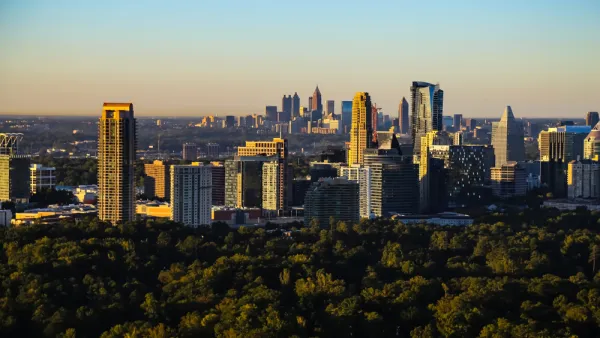
Atlanta City Council Adopts Amended Version of the City's New Comprehensive Development Plan
What started out as an ambitious example of planning and zoning reforms has been trimmed back to respond to opposition from neighborhood groups—and the threat of secession from one neighborhood in particular.

Coupling Housing and Mobility: A Radical Rethink for Freeways
An ambitious vision for freeways: intersections with dense, tall buildings and rights of way repurposed for high-speed, high-capacity public transit.
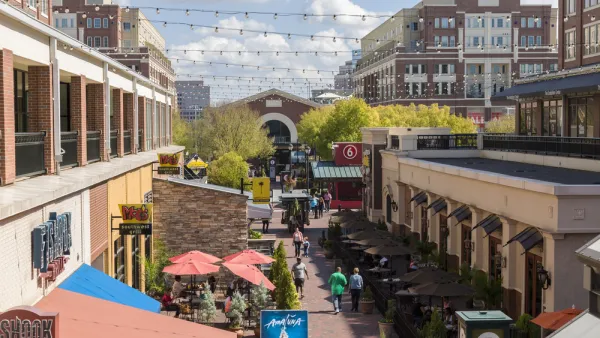
Widespread Neighborhood Opposition to Atlanta's Comprehensive Development Plan
A generational comprehensive planning effort hangs in the balance in the city of Atlanta.
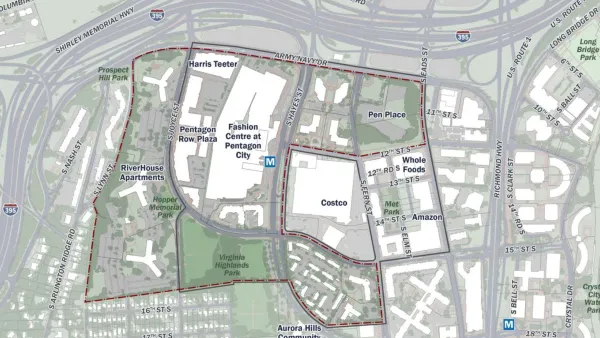
The New Pentagon City Could Be More Sustainable, Walkable
In a draft plan, planners in Arlington County, Virginia call for improved pedestrian infrastructure, higher-density housing, and more public parks.

New Zealand Lawmakers Propose Countrywide 'Medium Density Residential Standards'
The country of New Zealand could take the drastic step of implementing planning reforms that allow more dense residential developments throughout the country.

How California's Wildfires Affect Home Sales and Values
Redfin data show slower home price growth in areas recently affected by wildfires, while developers rush in to rebuild.
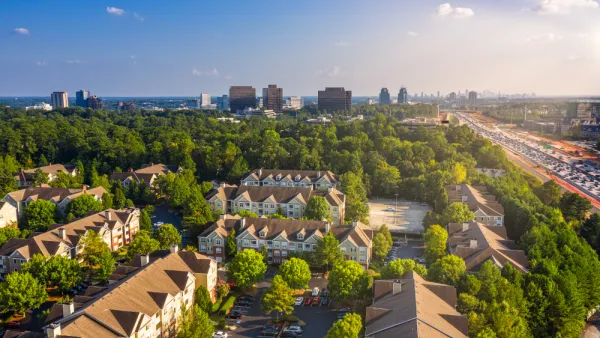
Atlanta's Pro-Density 'Comprehensive Development Plan' Stalls in City Council
Planning is politics, an Atlanta case study.
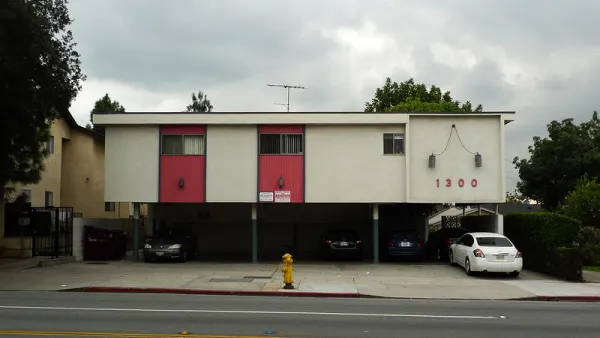
How the Iconic Dingbat Took Over Los Angeles
The low-slung, car-oriented apartment buildings represent a mid-century solution to a housing shortage and offer valuable lessons for new development.

Poll: Housing and Homelessness Most Pressing Concerns for Urban Residents
Results show rising housing costs and housing insecurity have become top issues for residents of major cities across the country.
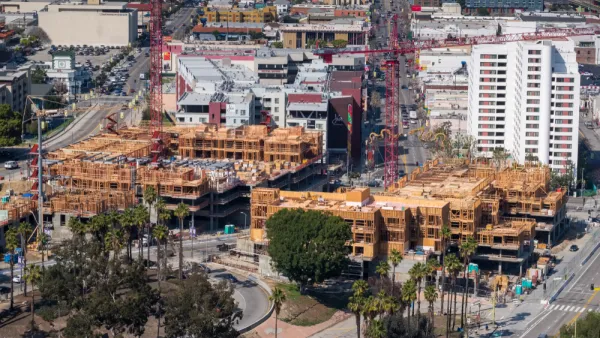
Census Data Reveal Increasing Density in the U.S.—Reversing a Two-Decade Trend
The New York Times is calling 2010 to 2020 the "Downtown Decade."
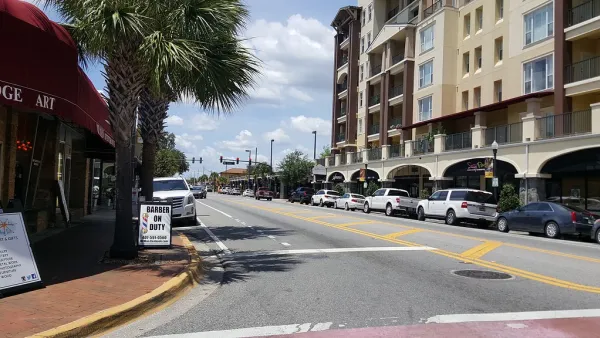
To Build More Affordable Housing, Start With Narrower Streets
New research shows that reducing wasteful use of street space and eliminating overly wide streets would increase opportunities for housing development and higher density.
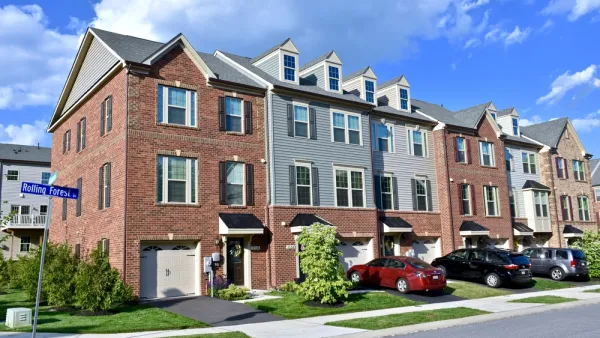
The Limits of Citywide Upzoning
A study shows zoning reform isn't a silver bullet for the housing crisis. In some low-income and BIPOC neighborhoods, it could 'cause more harm than good.'

California Assembly Advances Statewide Upzoning Bill
California's Senate Bill 9 would allow up to four housing units on lots traditionally zoned for single-family homes, paving the way for more 'gentle density.'

Report: Skyscrapers a Driving Factor of the Urban Heat Island Effect
As cities build upwards in an effort to create more housing and increase walkability, research shows that tall buildings intensify heat and contribute to increased carbon emissions.
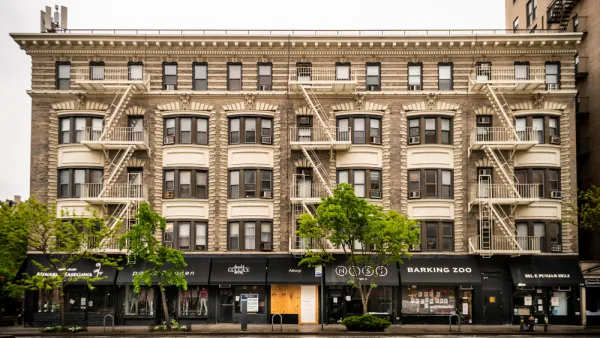
New York Progressives Continue to Block Development
Despite mounting evidence that cities like New York must build more housing to accommodate their growing populations and stem the housing affordability crisis, some of the city's most progressive neighborhoods are resisting new development.

Wealthy Bay Area Communities Fight Housing Targets
Some California cities and counties are appealing regional housing allocations, which could have a meaningful impact on how and where development occurs over the next decade.
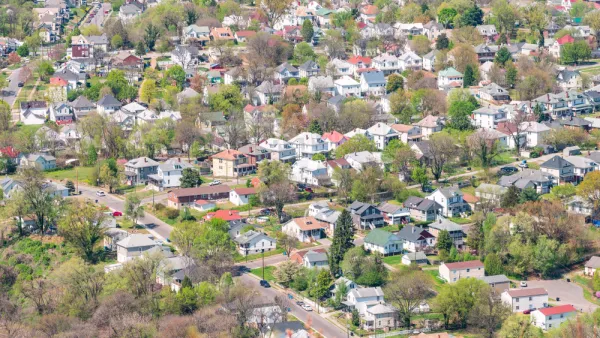
How Virginia Communities Are Encouraging 'Missing Middle Housing'
Local leaders hope that streamlining permit processes and eliminating restrictive zoning regulations will set the groundwork for increased production of small and mid-sized multi-family housing.

FREE Course: Walkable City 1: Why Walkability?
After describing his path towards focusing on walkability as the essence of good planning, Jeff Speck marches through his five principal reasons for making more walkable places.
Reinventing Malls: Planning Alchemy—Turning Gray Fields Into Gold
The course focuses on the opportunities and imperatives that shape reinvention of mall sites.

City of Charlotte
City of Rosemead
Rutgers University, Edward J. Bloustein School of Planning and Public Policy
University of Michigan School for Environment and Sustainability (SEAS)
Hunter College, City University of New York (CUNY)
The Architects Foundation
University District Partnership









