Curb Management
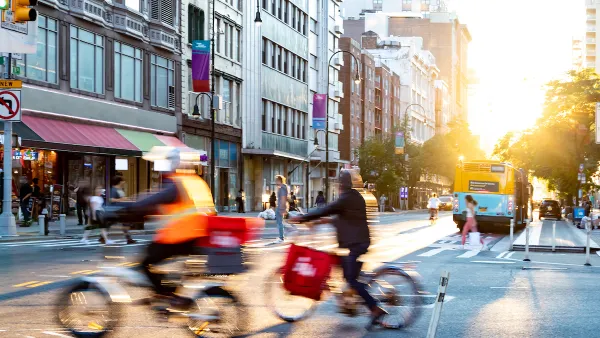
New City Office Will Regulate NYC Delivery Bikes and Scooters
The department is designed to help the city regulate small delivery vehicles, manage curb space and congestion, and prepare for new technology like delivery drones.
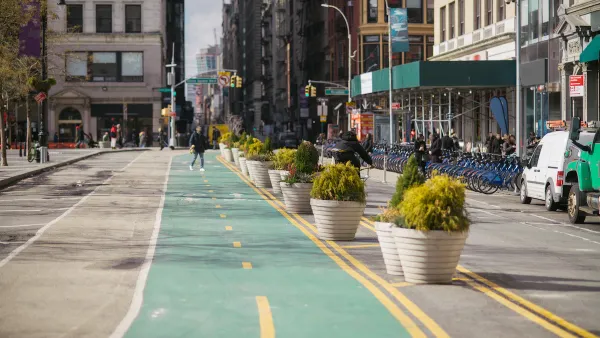
Leading Micromobility Trends for 2024: From Urban Streets to Regional Implementation
The proliferation of micromobility as a viable transportation mode offers the opportunity for cities to reimagine how they allocate public space.
Adapting the Curb for Adaptive Reuse
The rise in conversions of office buildings to housing and other uses raises questions about curb management and parking.
Boston Could Introduce Parking Benefit Districts
The approach offers a way for cities to free up curb parking space while boosting revenue for local infrastructure.
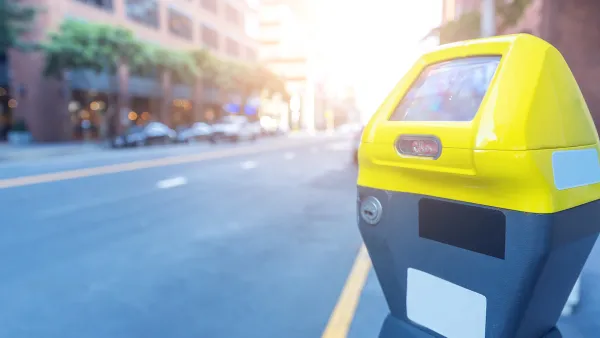
More Cities are Shifting to Demand-Based Curb Parking
Largely used for free car parking, urban curb space is becoming a more precious commodity.
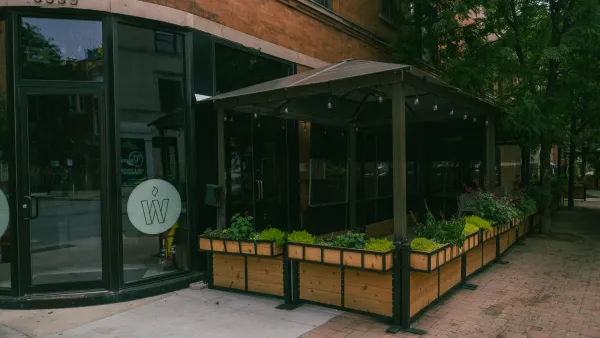
Chicago Mayor Proposes Permanent Outdoor Dining Program
The mayor’s proposal would create permanent rules for restaurants wanting to continue using their Covid-era outdoor dining setups or build new ones.
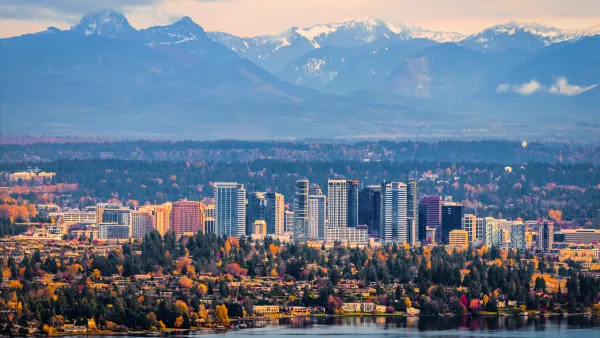
Bellevue Issues Curb Management Plan
The plan reorients the city’s priorities from vehicle throughput and parking to transit, bike infrastructure, and other public amenities.
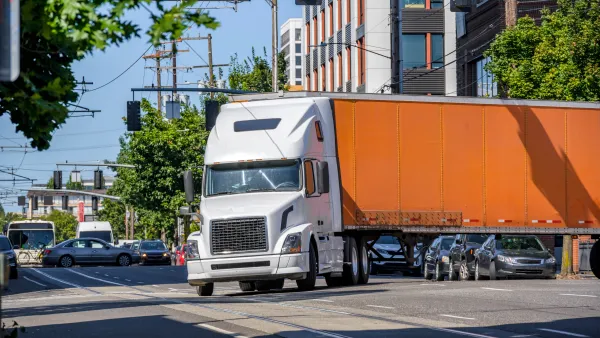
St. Paul Proposal Would Prohibit Large Trucks From Parking on City Streets
Residents and businesses are calling for a ban on trucks, which are increasingly taking up curbside parking in the city after neighboring Minneapolis instituted a similar rule.
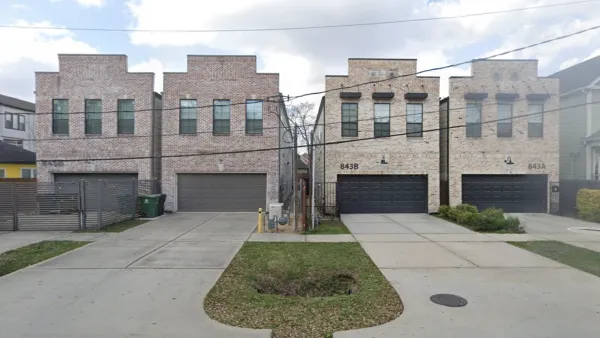
Houston Debates Shared Driveway Requirement
A proposed rule would require developers to build shared driveways for narrow lot projects.
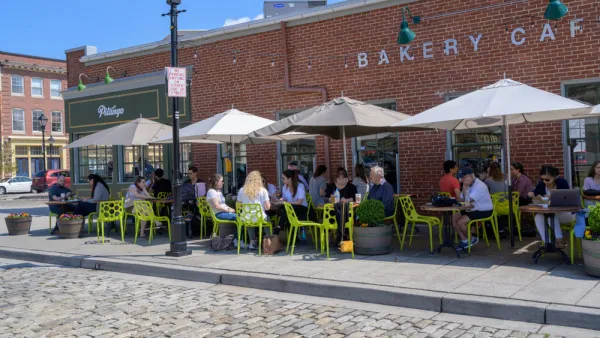
Baltimore Sets Guidelines for Permanent Parklet Program
With pandemic-era parklet regulations set to expire on June 30, the city is launching a new, permanent set of guidelines for outdoor dining and other uses of curbside space.
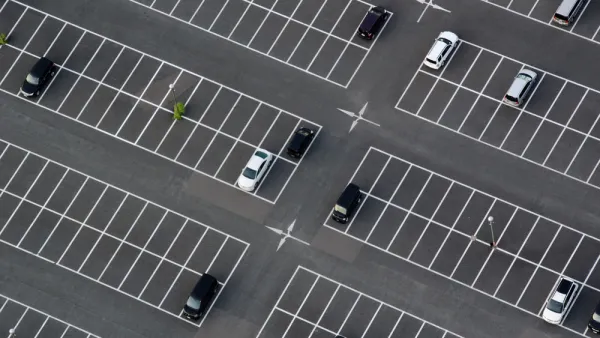
Parking Reform Gains Momentum
More cities and states around the country are recognizing the value of eliminating parking requirements.
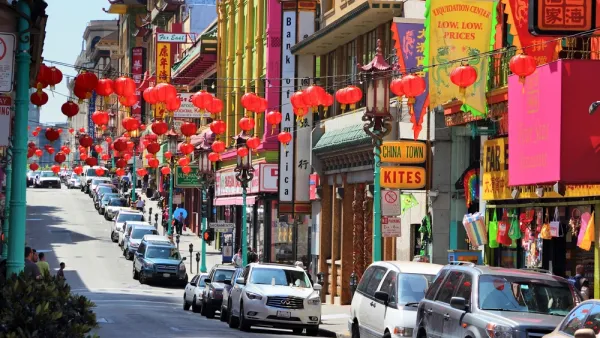
Study: Autonomous Cars Won’t Solve the Parking Problem
In hyper-dense cities where incentives to reduce car use and eliminate parking are already high, mass adoption of AVs won’t significantly reduce parking demand.
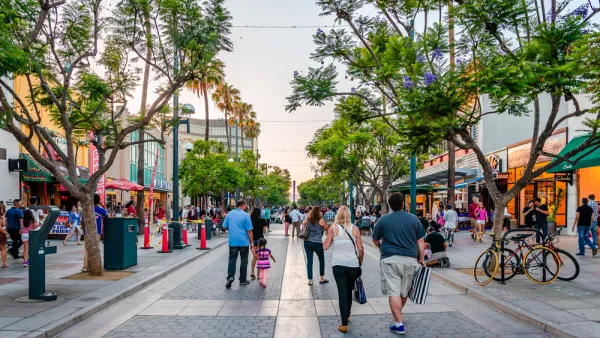
Reclaiming Our Space: The Battle for Open Streets
The growth of pedestrianized spaces and car-free streets depends on a transformational shift in thinking about what—and who—public spaces and streets are for.
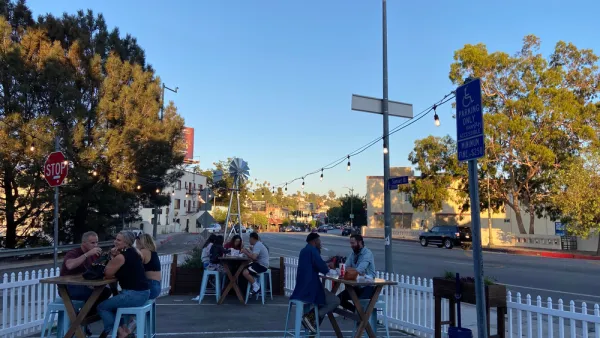
Proposed Outdoor Dining Ordinance Could Decimate L.A.’s ‘Al Fresco’ Dining
Restaurant owners say the new regulations proposed by the city for installing and maintaining outdoor dining areas would put them out of reach for many businesses.
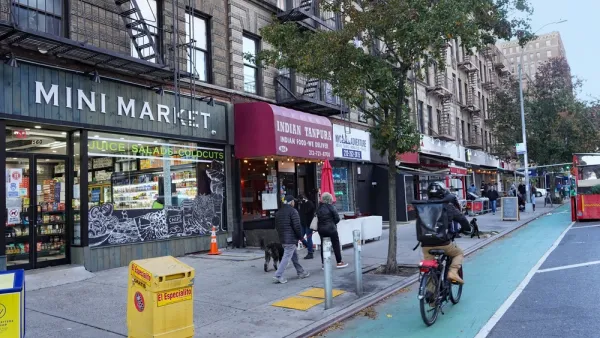
Bike Lanes Are Good for Business. Why Don’t Business Owners Believe It?
Proposed bike lanes often come up against opposition from local merchants who believe losing street parking will hurt their business, but research repeatedly shows the opposite effect.

Advice for a Post-Parking Mandate World
After abolishing parking requirements, what can cities do to make the most of new space and revenue and avoid backlash?
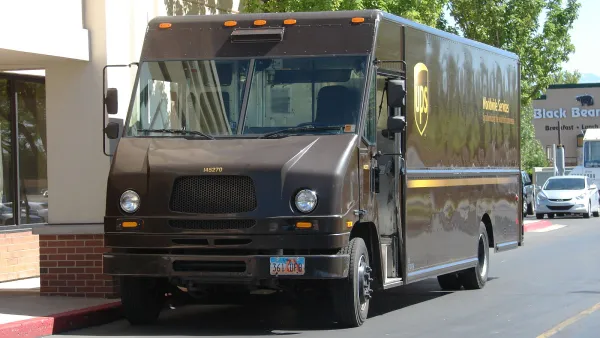
Mitigating the Impacts of Delivery Services
How cities can minimize the impact of delivery vehicles on air quality and congestion through effective curb management and zero-emission delivery zones.
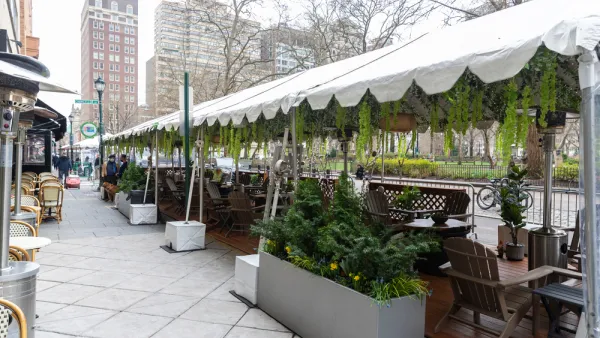
Opinion: Support Citizen-Led Public Space Projects
A public space advocate outlines how Philadelphia’s city leaders could support the parklets, plazas, and other public space conversions that proliferated during the pandemic.
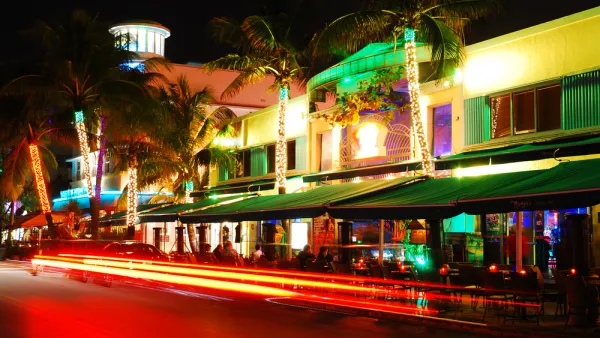
Revamped Curb Management Strategies Among Pandemic Changes Likely to Stick in Cities
With so many more people working from home, ordering delivery, and moving around the public realm in new ways, advanced curb management strategies are among the pandemic-era innovations likely to stick long into the future.
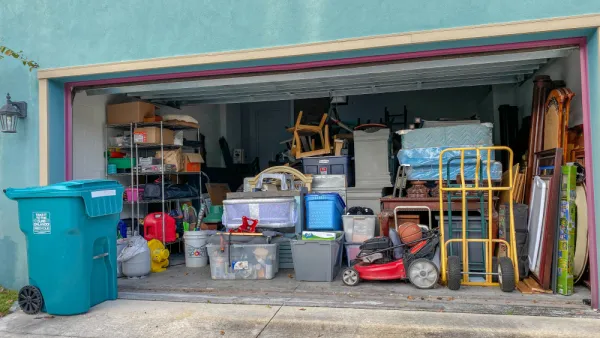
Why a Third of Private Garages Don’t House Cars
With curbside parking available for free in front of most American homes, residents with private garages often choose to utilize the space for household storage. Putting a price on street parking could change that.

FREE Course: Walkable City 1: Why Walkability?
After describing his path towards focusing on walkability as the essence of good planning, Jeff Speck marches through his five principal reasons for making more walkable places.
Reinventing Malls: Planning Alchemy—Turning Gray Fields Into Gold
The course focuses on the opportunities and imperatives that shape reinvention of mall sites.

City of Rosemead
Rutgers University, Edward J. Bloustein School of Planning and Public Policy
One Hundred Miles
Hunter College, City University of New York (CUNY)
The Architects Foundation
University of Cincinnati Online
City of Cambridge
Montrose County
The Pocatello Development Authority









