Community Development
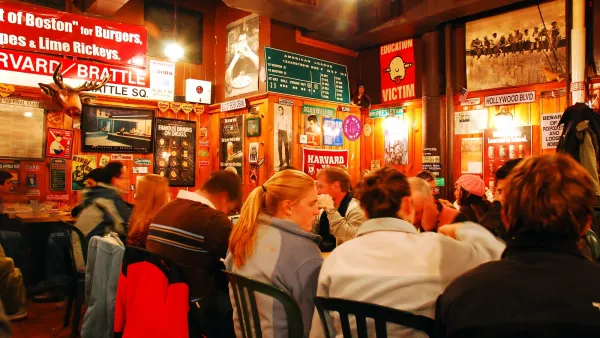
The Restaurant Industry’s ‘Missing Middle’
Locally owned restaurants affordable to middle-income families are disappearing or being forced to raise prices as costs grow.

Mamdani’s Budget Fails to Expand Open Streets, Breaking Campaign Promise
The proposed budget allocates $2 million to Summer Streets and Open Streets, less than the $2.1 million allocated by the Adams administration last year.
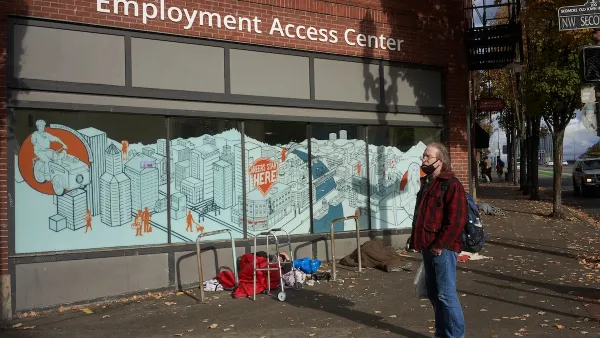
From Empty Spaces to Community Places: Why Nonprofits Belong on the Ground Floor of Affordable Housing
The results benefit residents, neighbors, and the organizations themselves.
Could Planners Adopt a 'Place Sherpa' Role?
Building upon the framework of a local housing panel, Chuck Wolfe suggests that advocacy and policy discussions would be enhanced by a “sherpa mindset” that focuses on lived experiences, facilitates applied knowledge of urban places, and promotes stakeholder discussion.

Shaping LA’s Future: Public Voting Opens for LA2050 Grants
The LA2050 Grants Challenge invites Angelenos to vote on the top issues facing Los Angeles, helping direct $3 million in funding to organizations working to build a more connected and resilient region.
Opinion: Congress Should Expand the Opportunity Zone Program
The federal economic development program has brought over $100 billion in private investment to revitalize struggling communities.

Fact Check: New Housing Doesn’t Lead to Overcrowded Schools
A common refrain heard by locals opposed to new housing developments is that area schools can’t absorb the increase in students they’ll bring. As the nation approaches an “enrollment cliff,” the data tells a different story.

Why Some Affordable Housing Managers Are Running Education Programs
Many housing organizations are finding that educational programs are a logical — and valuable — addition to their offerings.

Expanding the Mission: Community Groups Serving Schools
Some community development organizations have added education to their traditional focus on housing and economic development, looking for ways to support families and children by partnering with local school districts. How is it working?

The Story of Eastman Clock Plaza in Downtown Cranford
How a small plaza in Cranford, New Jersey became a community beacon.

Placemaking in the Barrio: Conceptualizing Infill Development in Disenfranchised Communities
How one San Antonio neighborhood could approach sustainable revitalization while supporting the existing community and drawing on its rich and diverse history and cultural resources.

A Historic Golf Club's Community Revival
South LA’s Chester Washington Golf Club is experiencing a revitalization, blending its rich legacy with modern advancements while continuing to foster community, diversity, and fellowship.

The Role of Schools in Fostering Vibrant and Inclusive Communities
Discover how schools play a crucial role in community development by fostering inclusivity, enhancing local engagement, and serving as hubs for social and cultural activities.

Bringing Back the Block Party
How a humble neighborhood get-together can help build stronger cities.

Strength in Diversity: Crafting an Affordable Housing Coalition in Cincinnati
The city’s longtime champions of housing for low-income residents joined forces with an array of allies to establish a sustainable source of funding for affordable housing.

Are Race-Based Lawsuits Affecting Community Lenders?
Shelterforce spoke with community lending leaders and experts about the current mood across the sector. What, if anything, are organizations doing to avoid becoming the next target of conservative activists?

Harnessing Data for Community Development
Using data and insights encourages the development of a community, offering an evidence-based strategy to directly address the needs within.

A Dirty Little Secret: Rising Property Values Are Incompatible With Affordability
Rising property values come with positive community development, but this shift can make neighborhoods inaccessible to low-income renters and fixed-income homeowners.

California Bill Would Streamline Permitting for Farmers’, Night Markets
The state currently has no unified process for night markets and other recurring events, making it difficult and costly for organizers.
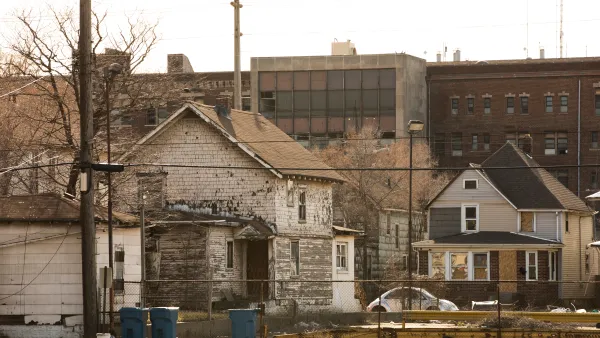
Commentary: Place-Based Policy Must Target Chronically Poor Areas
As more evidence shows that neighborhood-level factors heavily impact future outcomes, place-based policies should use more accurate measurements to ensure persistently poor places don’t fall through the cracks.

FREE Course: Walkable City 1: Why Walkability?
After describing his path towards focusing on walkability as the essence of good planning, Jeff Speck marches through his five principal reasons for making more walkable places.
Reinventing Malls: Planning Alchemy—Turning Gray Fields Into Gold
The course focuses on the opportunities and imperatives that shape reinvention of mall sites.

City of Rosemead
Rutgers University, Edward J. Bloustein School of Planning and Public Policy
One Hundred Miles
Hunter College, City University of New York (CUNY)
The Architects Foundation
University of Cincinnati Online
City of Cambridge
Montrose County
The Pocatello Development Authority









