American West
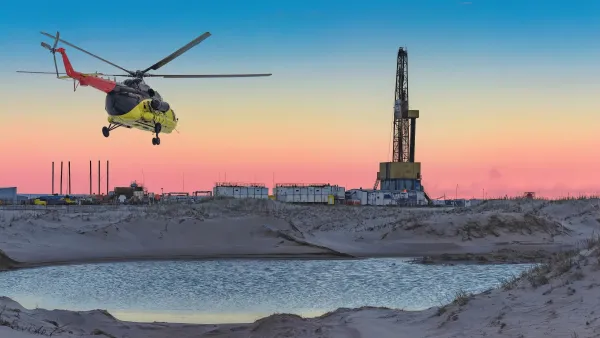
122 ‘carbon major’ companies to blame for half of the West’s lost water
A first-of-its-kind study found that “carbon major” companies drained the west of trillions of gallons of water.
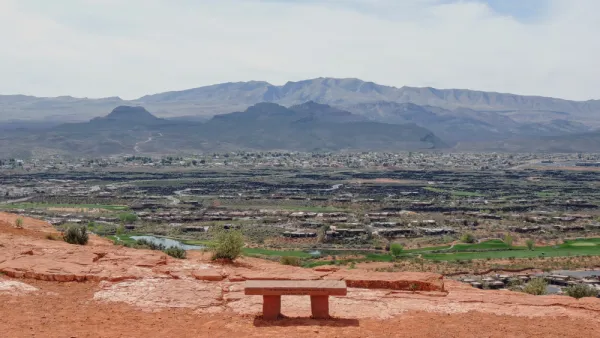
The Nation’s Fastest Growing Town Needs More Water
Cheap water flows freely to the golf courses of St. George, Utah, but all the new residents mean it’s going to have to increase supply or reduce demand—or both.
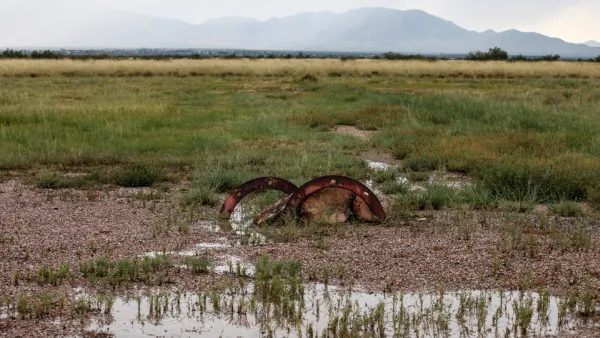
Why Would Arizona Deregulate Groundwater Now?
For decades the arid state has required most new construction projects to demonstrate adequate water supply, but at the edge of the next dry spell, two lawmakers are trying to get rid of the rules.
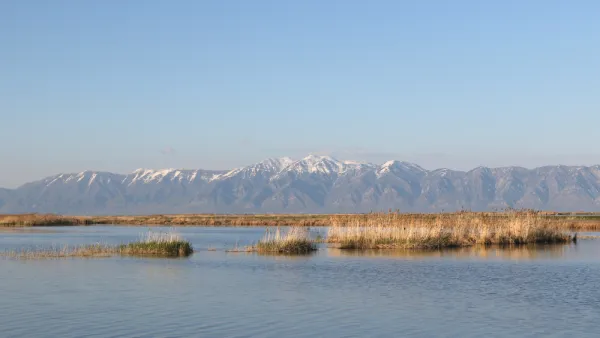
This Is What Really, Really Cheap Water Is Actually Costing Utah
The state's widespread practice of supplying unlimited untreated water to homes may be part of the reason it has to spend billions on a new pipeline and dam.
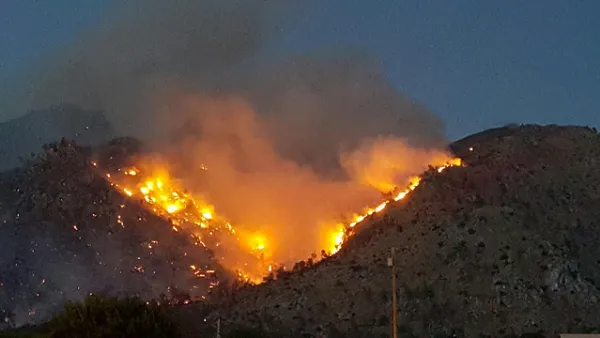
In California, Policies Spur Rebuilding in the Wildland-Urban Interface
After the worst wildfire season ever, changes to local land use and state insurance rules essentially ensure that the same thing will happen again.
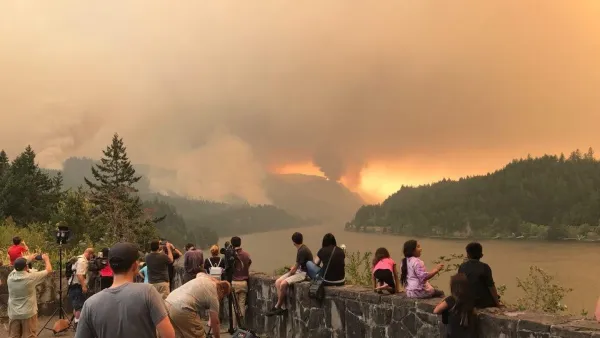
How the West Got Bigger, Badder Fires
Two new books chronicle the origin of U.S. policy on wildfire, the damage that policy has done, and why it’s unlikely to change any time soon.
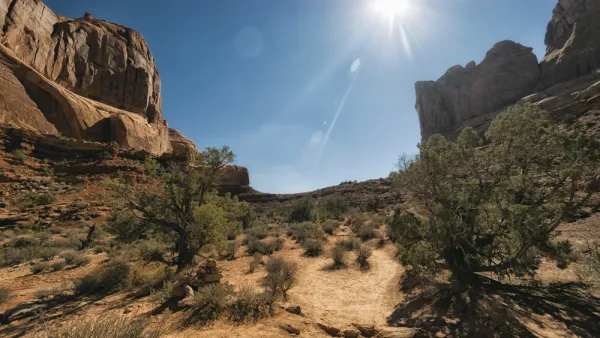
Federal Lands Transfer Bill Withdrawn
Facing backlash from hunting and angling groups, Utah Rep. Jason Chaffetz withdrew legislation that would have transferred millions of acres of federal lands to state governments in the West. But news wasn't good for other environmental bills.
Wise Use Movement Galvanizes Oregon Wildlife Refuge Occupation
In an news analysis for The New York Times Sunday Review, Alan Feuer sees the occupation of the Malheur National Wildlife Refuge in Harney County, Oregon as another struggle between the Wise Use movement, which began is the 1980s, and the mainstream.
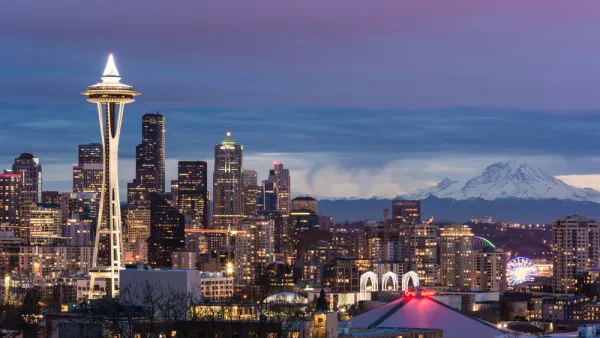
How the West Won—Nature and Cities, Side by Side
The New York Times Opinion Pages present a new narrative for the American West: "A wounded piece of land can be made whole, if managed for the future by people whose capacity for wonder is limitless."
Internships: An Invaluable Resource During Tight Budgets
Michael A. Harper, FAICP worked over 32 years as a public sector planning manager. During that time, he used paid and unpaid interns extensively. Harper's article focuses on the many ways to effectively engage interns and use their talents.
The American West's Transportation Revolution
After decades of planning and development of its urban rail networks, will the American West change its image from car cornucopia to transit paradise?
Preserving the American West
Over half of the land in the American West is publicly owned. Policy over the last century has tended towards allowing the extraction of natural resources, but it may be time for a shift into preservation.

FREE Course: Walkable City 1: Why Walkability?
After describing his path towards focusing on walkability as the essence of good planning, Jeff Speck marches through his five principal reasons for making more walkable places.
Reinventing Malls: Planning Alchemy—Turning Gray Fields Into Gold
The course focuses on the opportunities and imperatives that shape reinvention of mall sites.

Harvard University Graduate School of Design
KFH Group Inc.
Greater Baltimore Committee
The Architects Foundation
University of Cincinnati Online
The Pocatello Development Authority
The Urban Renewal Agency of the City of Pocatello