Social / Demographics
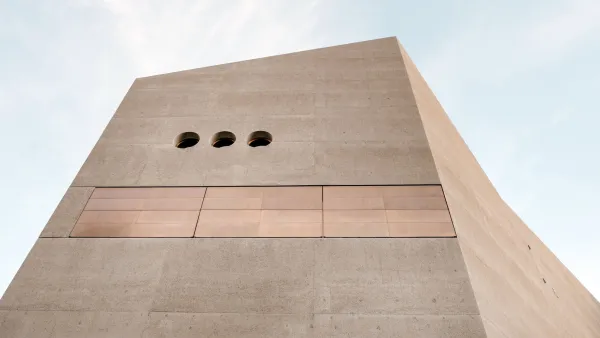
Rejecting Flashy Forms, New Architecture Embraces the 'Boring'
Christopher Hawthrone discusses the rise of a "quiet style" in architecture that returns to basic shapes and resists the urge to look futuristic.

D.C. Makes the Case for Decriminalizing Fare Evasion
The District may soon remove criminal penalties from fare evasion with a proposal that would lower fines and strike the possibility of jail time.
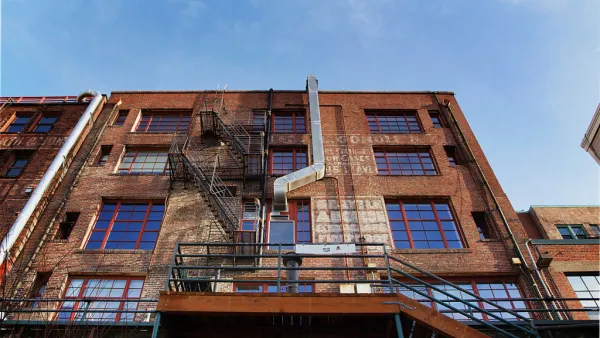
Affordable Housing Near Transit: Seattle's REDI Makes Its First Loan
For a city in the middle of a rent crisis, the Tacoma Housing Authority project can't come too soon.

Churches and the Creation Of Landscape
A visit to Tbilisi, Georgia, reveals that churches are crucial elements in the creation of landscape. Their civic functions are at least as important as their theological functions.
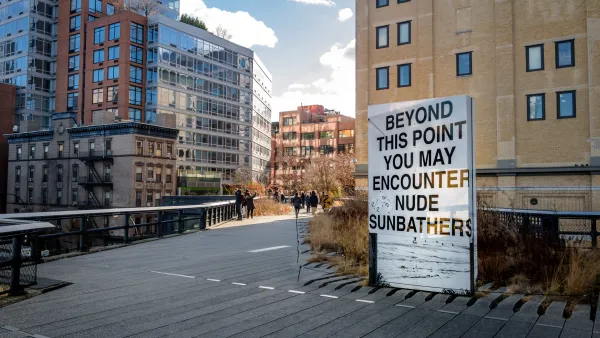
The 'Deliberately Unkind' Public Art of the High Line
"You could be forgiven for reading the art as a message to less-than-opulent New Yorkers: You’ve lost your place," writes Michael Friedman.
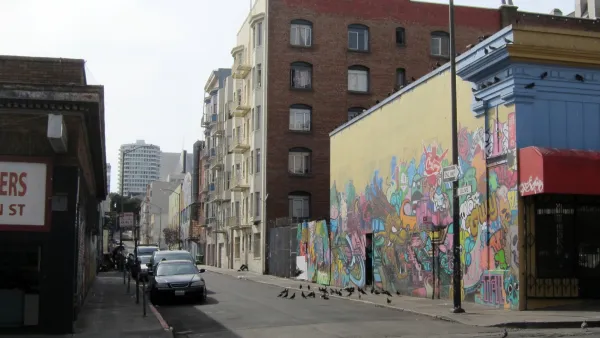
Rent Control's Mixed Effects in San Francisco
As California debates the future of rent control in its municipalities, a group of Stanford economists have conducted research that connects San Francisco's existing policy with higher housing costs.
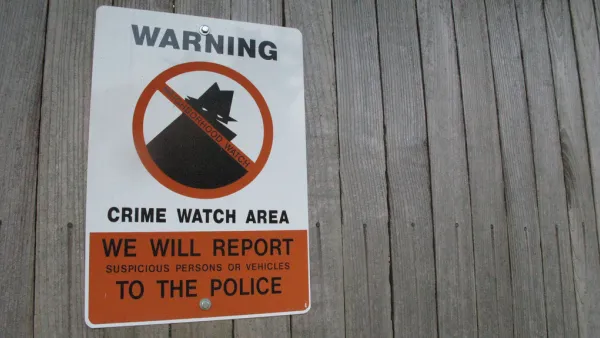
Study: Nonprofits, Ordinary Citizens Played Major Role in Crime Decline
As many wonder whether the nation's multi-decade crime decline will continue, research suggests that community groups and local nonprofits have played a larger role in that story than they're given credit for.
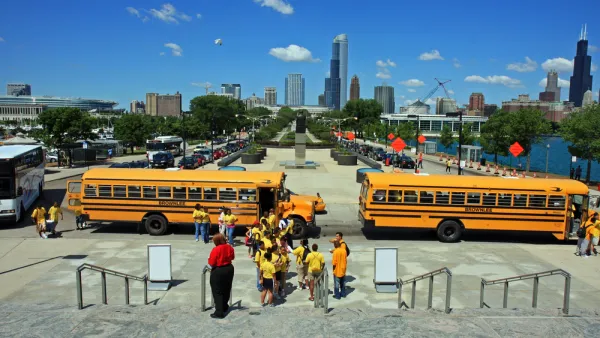
Chicago-Based Equiticity Takes Mobility Justice Nationwide
The new group will challenge the unequal distribution of mobility resources to low-income communities of color.

How Tulsa Beat Flooding Without Saying 'Climate Change'
An oil town in a red state proves we don't have to talk about climate change to adapt to it.

White House Denies Funding to Replace Tribal Villages
The federal government appears to be reneging on yet another promise to Native American tribes.
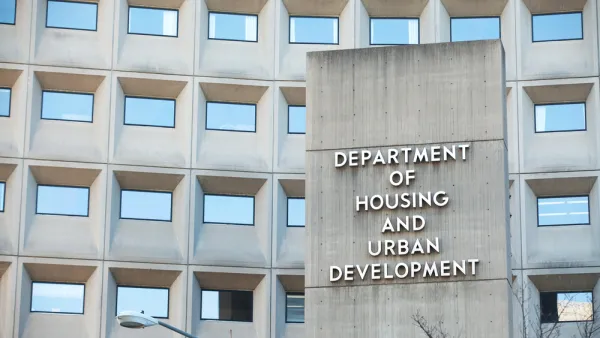
Is Now Really the Time to Cut HUD Funds for Renters?
The Secretary of Urban Housing and Development wants to make renters "independent," but at least two experts say that's a terrible idea.
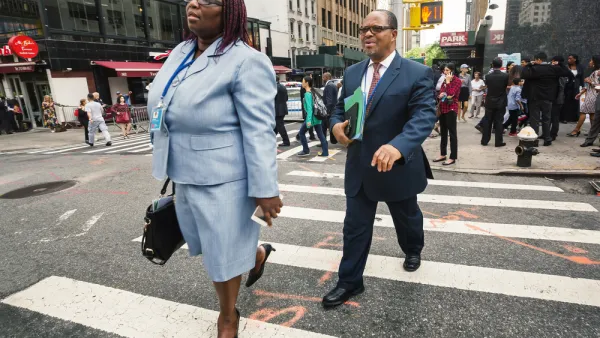
'Walking Summit' Highlights Long Path Ahead
A piece from the Congress for the New Urbanism discusses the 2017 National Walking Summit. The proceedings included the release of the nation's first walkability report card.
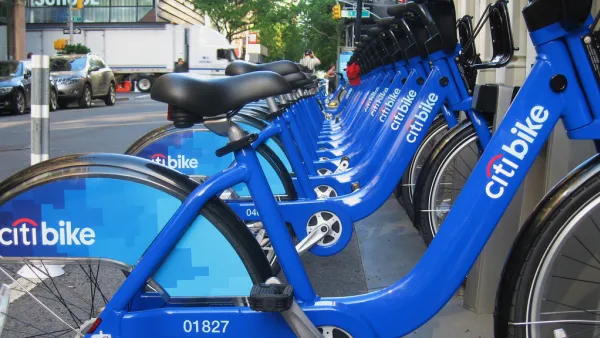
Citi Bikes Ingrained in Gotham, For Better or Worse
Six of the eight victims of the deadliest act of terrorism in New York since 9/11 were riding Citi Bikes. The same day, a bus driver was charged in the death of the bikeshare's first fatality. Two more Citi Bike-related deaths occurred this year.
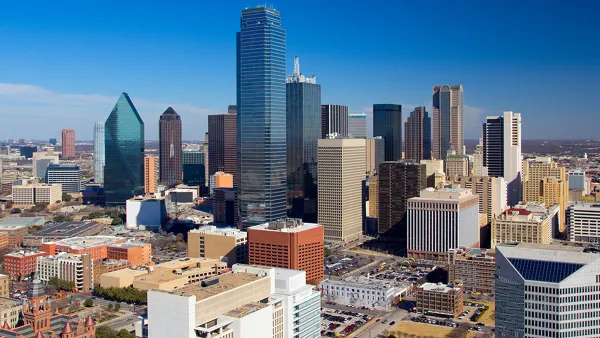
Op-Ed: Dallas Suffers From Long-Term, Entrenched Segregation
In a appeal by no means limited to the Dallas metro region, Mike Koprowski condemns the city's entrenched segregation and calls for a stronger response.
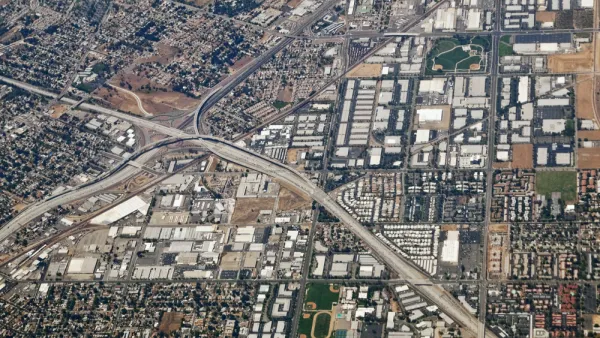
'Millennial Livability' Takes Shape in Suburban Inland Empire
The Inland Empire's housing boom and economic growth are attracting plenty of new residents—especially millennials.

Conquering Fears of Public Space on Halloween
The scariest thing about Halloween is that it illustrates just how un-neighborly many communities are and how averse to pedestrianism they are on the other 364 days of the year.

David Simon on the Uniqueness of New York
The creator of "The Wire" talks to CityLab about "The Deuce," New York City in the 1970s, and how strategies for one town won't always work for another.
Houston And L.A.: Kindred Spirits Meet In World Series
Planning scholar Bill Fulton, longtime resident of L.A. and relatively recent transplant to Houston, sizes up the urban implications of a World Series played between two very similar cities.
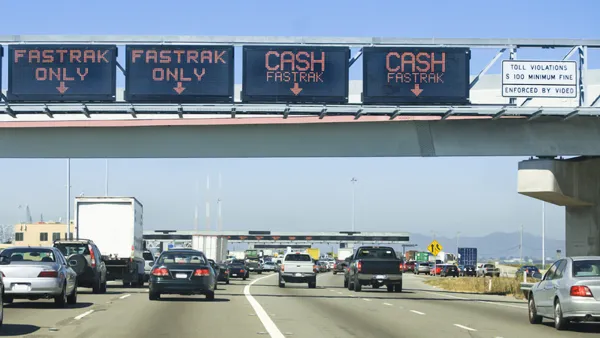
Analysis Debunks Equity Criticism of Congestion Pricing
Oregon's recently approved gas tax legislation also calls for tolling of I-205 and I-5 in the Portland metro area, with the application of value or congestion pricing so peak period tolls would be higher, which have raised equity concerns.

Integrating Environmental Justice Into Planning Processes
National City, California pioneered a model for implementing environmental justice considerations into planning processes—state law compels states to follow National City's leadership.

FREE Course: Walkable City 1: Why Walkability?
After describing his path towards focusing on walkability as the essence of good planning, Jeff Speck marches through his five principal reasons for making more walkable places.
Reinventing Malls: Planning Alchemy—Turning Gray Fields Into Gold
The course focuses on the opportunities and imperatives that shape reinvention of mall sites.

City of Charlotte
City of Rosemead
Rutgers University, Edward J. Bloustein School of Planning and Public Policy
University of Michigan School for Environment and Sustainability (SEAS)
Hunter College, City University of New York (CUNY)
The Architects Foundation
University District Partnership









