Where do the street trees come from, and where does the compost go? Rikers Island was New York City's growing outpost for years. But does “greening” the jail always improve things for prisoners?


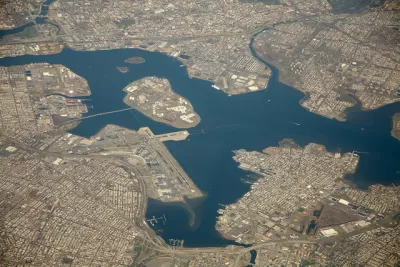
Removal is the basic condition of imprisonment, separating inmates from homes and families. But as Jeanne Haffner unearths below, while people on Rikers Island are held apart from their communities, the fruits of their labor are present throughout New York City’s landscape and economy. Historically, Rikers has served as an environmental laboratory and an agricultural outpost, managing the city’s waste and generating its greenery. The work is practical, but it can also be restorative. For centuries, reformers have held that work in “natural” environments can help rehabilitate those who serve time. Today, solar panels and house-grown food save money for jail and prison administrators nationwide, while preparing inmates to enter “the green economy.” But for many of those sent outside the greenhouse, working in nature is taking ever more dangerous forms, from cleaning up oil spills to fighting wildfires. As prisoners clean and create the landscape, what do their efforts sustain?
Read the full story: The Happy Prison

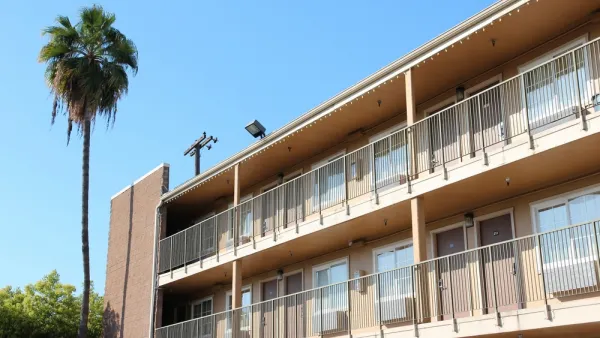
Oregon Motel Converted into Housing for People Transitioning from Incarceration
Klamath County, Oregon, has converted an old motel and RV park into a sober-supportive housing complex for justice-involved persons — the first of its kind in the state.
HUD Proposal Would Soften ‘One-Strike’ Policy
Formerly incarcerated people are often barred from publicly subsidized housing, putting them at higher risk for homelessness and recidivism.
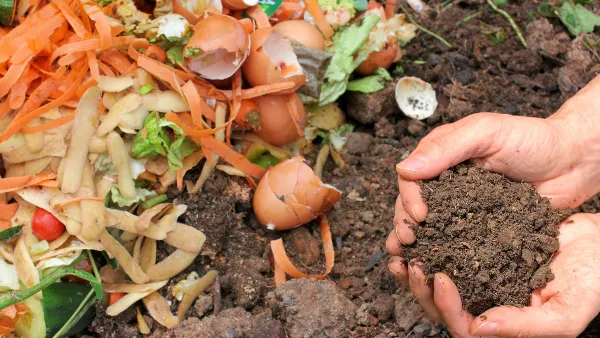
EPA Awards $4 Million for Baltimore Composting Facility
The city wants to build the nation’s largest composting facility as part of its ‘zero waste’ efforts.

Planetizen Federal Action Tracker
A weekly monitor of how Trump’s orders and actions are impacting planners and planning in America.

California plans to bury El Niño’s downpour
If the state plays its cards right, it may be able to store a billion acre-feet of El Niño’s water in aquifers.

Desperate measures: Advocates weigh draining Lake Powell to fill Colorado River
Draining the reservoir could reduce evaporation losses by a couple hundred thousand acre-feet.

California city breaks ground on transit connector
The project includes three mobility hubs and a pedestrian bridge.

After public outcry, Massachusetts city releases housing development tracker
Cambridge’s tracker currently shows 250 housing projects in various stages of development.

40 years after approval, Chicago breaks ground on new park
The park honors Jean Baptiste Point du Sable, the city’s first permanent non-native settler.

FREE Course: Walkable City 1: Why Walkability?
After describing his path towards focusing on walkability as the essence of good planning, Jeff Speck marches through his five principal reasons for making more walkable places.
Reinventing Malls: Planning Alchemy—Turning Gray Fields Into Gold
The course focuses on the opportunities and imperatives that shape reinvention of mall sites.

City of Rosemead
Rutgers University, Edward J. Bloustein School of Planning and Public Policy
One Hundred Miles
Hunter College, City University of New York (CUNY)
The Architects Foundation
University of Cincinnati Online
City of Cambridge
Montrose County
The Pocatello Development Authority