A lawsuit against the District of Columbia claims deliberate actions to attract "creative" workers discriminates against low-income and African American residents.


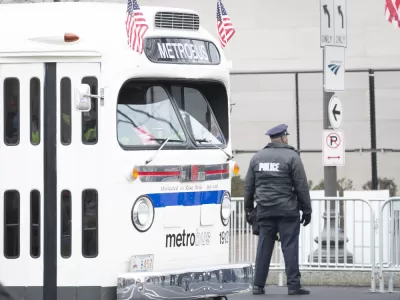
Natalie Delgadillo reports:
A D.C. lawyer has filed a discrimination lawsuit against the city on behalf of three native Washingtonians and CARE, a community group with over 20 members. The suit claims that the city’s housing and urban renewal policies have discriminated against some of the District’s longest-standing residents in favor of attracting millennial renters. The suit is seeking more than $1 billion in damages.
According to Delgadillo, the complaint specifically mentions the Fenty Administration’s Creative Action Agenda and the Gray Administration's Creative Economy Strategy [pdf] as agents of discrimination.
Lawyer Aristotle Theresa has filed the discrimination lawsuit "on behalf of three native Washingtonians and CARE, a community group with over 20 members," according to Delgadillo.
Read the full story: D.C. Is Being Sued For Gentrifying. Here's What To Know About The Case

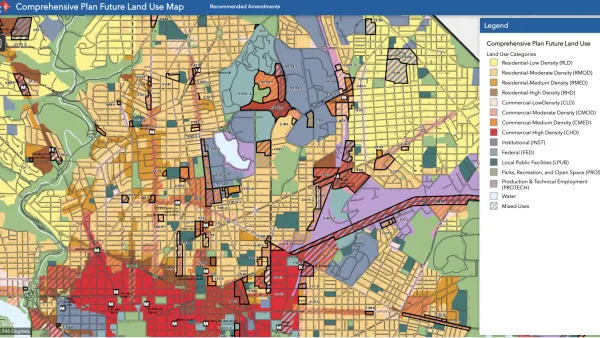
D.C. Comprehensive Plan Update Needs Equity Improvements, Report Says
The new D.C. Office of Equity has produced an evaluation of proposed changes to the D.C. Comprehensive Plan.
Boston to Require Fair Housing Review for New Developments
The Boston Zoning Code is one of the first in the nation to Affirmatively Furthering Fair Housing.

Can D.C. Build its Bridge Park Without Displacement?
The park's non-profit developer has engaged in a years-long community outreach process and invested over $60 million in community initiatives.

Planetizen Federal Action Tracker
A weekly monitor of how Trump’s orders and actions are impacting planners and planning in America.

California plans to bury El Niño’s downpour
If the state plays its cards right, it may be able to store a billion acre-feet of El Niño’s water in aquifers.

Desperate measures: Advocates weigh draining Lake Powell to fill Colorado River
Draining the reservoir could reduce evaporation losses by a couple hundred thousand acre-feet.

MTA gives itself 30 days to transform pit into basketball court
The site has been under construction since 2022; the city originally estimated it would finish the court in 2024.

Non-stop party: Chicago voters weigh permanent festival grounds
A stable place for bleachers, stages and drainage may streamline the setup and teardown of large events.

Metra may invest $9.1 billion in regional rail
The agency released a draft of a study examining potential ways to offer more frequent train service.

FREE Course: Walkable City 1: Why Walkability?
After describing his path towards focusing on walkability as the essence of good planning, Jeff Speck marches through his five principal reasons for making more walkable places.
Reinventing Malls: Planning Alchemy—Turning Gray Fields Into Gold
The course focuses on the opportunities and imperatives that shape reinvention of mall sites.

City of Rosemead
Rutgers University, Edward J. Bloustein School of Planning and Public Policy
One Hundred Miles
Hunter College, City University of New York (CUNY)
The Architects Foundation
University of Cincinnati Online
City of Cambridge
Montrose County
The Pocatello Development Authority