About 500,000 tenants face eviction every year—triple previous estimates. And over a million may be involuntary displaced despite never making it to court.


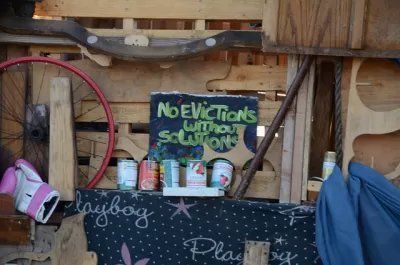
Evictions in California are three times more common than previously thought, according to a new report by statewide renter organization Tenants Together. Using previously unpublished data from the state Judicial Council, the organization found that an average of 166,337 households, averaging 2.9 residents each, received unlawful detainers every year for the last three years.
The analysis also found that, contrary to common belief, "eviction court cases move through the system at breakneck speed." While other civil cases can take years to resolve, state records show that 75 percent of eviction cases are decided within 45 days, and nearly 60 percent within a month.
The data is broken down by county in Tenants Together's report, California Evictions are Fast and Frequent, and visualized in an interactive map by the Anti-Eviction Mapping Project. The report helps fill in the gaps from national data released by the Eviction Lab, led by sociologist Matthew Desmond—which identified only 43,000 evictions in the state last year.
Still, when it comes to displacement, a big piece of the picture is missing: Evictions that occur outside of court. And that may be the majority of cases, the report warns: "For every tenant facing a court filed eviction, there are others displaced from their homes who do not show up in court filing data." The organization estimates that, when all variables are accounted for, over a million tenants might be evicted each year.
FULL STORY: New Tenants Together Report Reveals that Evictions in California are Triple Previous Estimates


Grassroots Activists Take On Evictions, Displacement
On the ground, combating gentrification means putting a stop to cost-driven displacement and evictions. Grassroots organizations in some of the hardest-hit cities have dedicated themselves to that task.

While California Fires Burn On, Residents Take on Rent Gouging
Residents have already seen online listings skyrocketing in price—despite laws against such hikes. With fires still raging, LA and Pasadena tenants are demanding protections against rent raises and eviction.
Lack of Eviction Data Obscures Extent of Affordable Housing Crisis
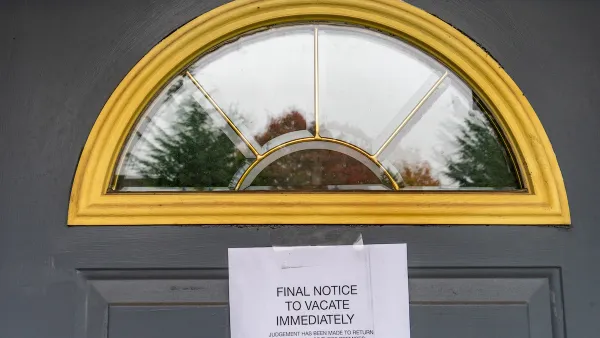
Court records on eviction filings vary widely and don’t include the outcome and miss informal actions. Without this data, officials don't have a clear picture of displacement of low-income renters and its effect on housing stability.

Planetizen Federal Action Tracker
A weekly monitor of how Trump’s orders and actions are impacting planners and planning in America.

The state-sanctioned urbicide of Austin
People don’t kill cities. Freeways do.

US to reduce Colorado River water deliveries to Mexico
A new Colorado Treaty amendment reduces Mexico’s Colorado River water allocation by 250,000 acre feet.

Mamdani overhauls NYC's Vision Zero plan with 100 new policy goals
The overhaul aims to reduce traffic deaths and make streets safer for pedestrians, cyclists and drivers through lower speed limits, new safety infrastructure and more.

Amtrak not solely to blame for New Jersey commuter rail's unreliability, report finds
A new study from the Garden State Initiative found that NJ Transit’s budget grew 20% across a 4 year period, but reliability declined significantly over the same period.

EPA erases limits on planet-warming pollution from power plants
Under Monday’s plan, power plants would still have some limits on how much mercury, arsenic and other contaminants they can emit.

FREE Course: Walkable City 1: Why Walkability?
After describing his path towards focusing on walkability as the essence of good planning, Jeff Speck marches through his five principal reasons for making more walkable places.
Reinventing Malls: Planning Alchemy—Turning Gray Fields Into Gold
The course focuses on the opportunities and imperatives that shape reinvention of mall sites.

Eagle County Government
Harvard University Graduate School of Design
Nashville Planning Department
The Architects Foundation
University of Cincinnati Online
The Pocatello Development Authority
The Urban Renewal Agency of the City of Pocatello
Journal of the American Planning Association