As more attention is paid to the struggles of U.S. public transit systems, some factors are getting less attention than others.


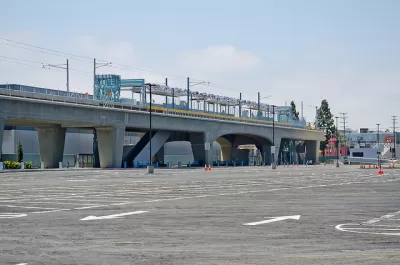
Paul Comfort, VP of Business Development for the Trapeze Group, pens an opinion piece for the Eno Center for Transportation in which he lists five hidden flaws of public transit systems. The list could also be called five underreported problems in need of reform if we want to save public transit in this country.
Here is the list, with more detail included in the article.
- There is not enough individual accountability for performance. Comfort cites a fairly surprising specific example, but also says that many positions throughout public transit systems lack individual accountability.
- Administrative departments gain too much influence over operations. "Too often – out of undue fear of risk – leaders and new ideas for success and achievement are neutered by bureaucratic responses," Comfort writes.
- Focus is on the wrong key performance indicators. Here Comfort take umbrage with the continued focus on ridership as the key indicator of public transit success. "If ridership is the only measurement of success for public transportation, then we are all failing." Comfort says transit systems should focus on performance indicators they can directly control, like safety and reliability, for instance.
- There is expensive outsourcing of staff positions due to established position caps. Politicians think position caps shrink the size of government, and reduce spending as a result.Comfort argues that position caps "often lead agency managers to hire for the positions they need through contracts with staffing agencies or architectural and engineering (A&E) firms."
- Paratransit focuses on rules, not people. This point is specifically about how paratransit serves people with disabilities, but the points about obsessing over the Americans With Disabilities Act, even when the law doesn't require it, might apply more broadly
FULL STORY: Guest Op-Ed: Five Hidden Flaws in Most Transit Systems


Milwaukee transit agency plans 25% service cuts
The MCTS system will have to make a difficult choice between service frequency and coverage.
Fisticuffs: The argument AGAINST fare-free transit
If a terrible bus becomes free, will it truly free you?
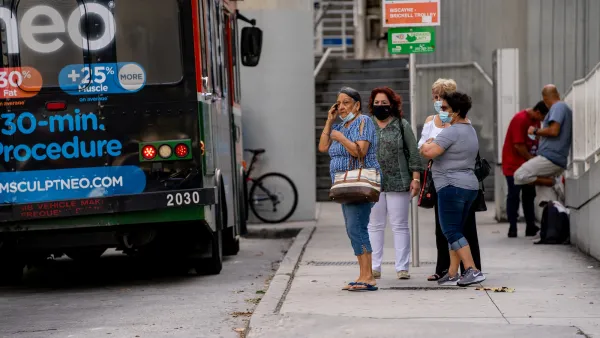
Miami promised a 'Better Bus Network.' Riders say it hasn't delivered.
Ridership on Miami-Dade Transit dropped by 2%-10% every month between October and December 2025.

Planetizen Federal Action Tracker
A weekly monitor of how Trump’s orders and actions are impacting planners and planning in America.

The state-sanctioned urbicide of Austin
People don’t kill cities. Freeways do.

US to reduce Colorado River water deliveries to Mexico
A new Colorado Treaty amendment reduces Mexico’s Colorado River water allocation by 250,000 acre feet.

5 New England states march closer to 800 megawatt wind energy project
Securing federal approval for the project may be complicated under the Trump administration, which has historically been hostile towards domestic wind power.

Baltimore to break ground on $50 million Transit Priority Project
The project will bring faster bus trips, safer streets and better bike connections to Baltimore.

Airbnb launches $250 million 'last-dollar financing' housing accelerator, makes first investment in Austin
The company will put $6.4 million towards affordable housing development in Texas’ capital.

FREE Course: Walkable City 1: Why Walkability?
After describing his path towards focusing on walkability as the essence of good planning, Jeff Speck marches through his five principal reasons for making more walkable places.
Reinventing Malls: Planning Alchemy—Turning Gray Fields Into Gold
The course focuses on the opportunities and imperatives that shape reinvention of mall sites.

Eagle County Government
Harvard University Graduate School of Design
Nashville Planning Department
The Architects Foundation
University of Cincinnati Online
The Pocatello Development Authority
The Urban Renewal Agency of the City of Pocatello
Journal of the American Planning Association