The Omaha Bus Rapid Transit (ORBT) system will feature prepaid fares, 60-foot buses, level boarding, and bus lanes.


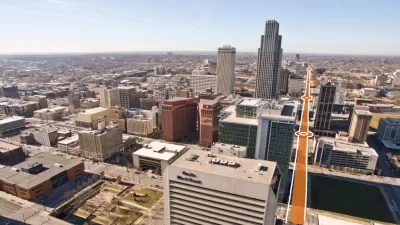
Officials from the Transit Authority of the City of Omaha recently unveiled plans for the Omaha Bus Rapid Transit line, referred to as ORBT. The system will include raised stations to allow for level boarding, and bus stops will "have touch-screen digital signage that people can use to see when the next bus is coming, which will be real-time information because the buses will have GPS," reports Christopher Burbach.
Level boarding is just one feature aimed to shrink dwell times. "You’ll be able to buy tickets at a kiosk in the station, if you haven’t pre-paid. Today, it takes about 12 seconds for a bus to get going again once it stops. The ORBT buses should get rolling again within a few seconds of stopping, said Metro Executive Director Curt Simon," Burbach reports. Pre-paid fares also mean passengers will be able to board through any of the three doors on these 60-foot long buses.
Read the full story: 'It functions like a train': Planned rapid bus line in Omaha hailed as advancement in transportation

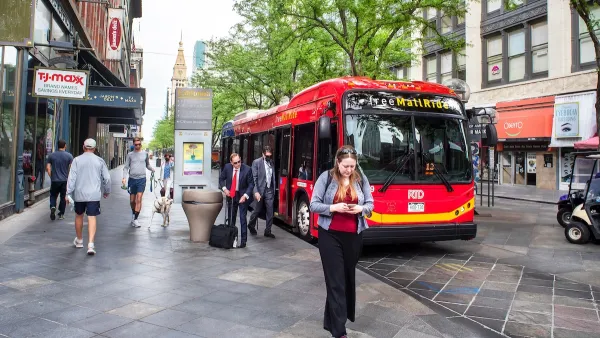
One of Denver’s busiest corridors to gain BRT
The project will span 18 miles and contain 74 bus rapid transit stations.

Experts Reject Florida Study That Killed St. Pete Bus Lane as ‘Incomplete,’ ‘Unfair’
A transit activist has filed a suit against FDOT, which used a a one-page study to justify removing a dedicated bus lane.
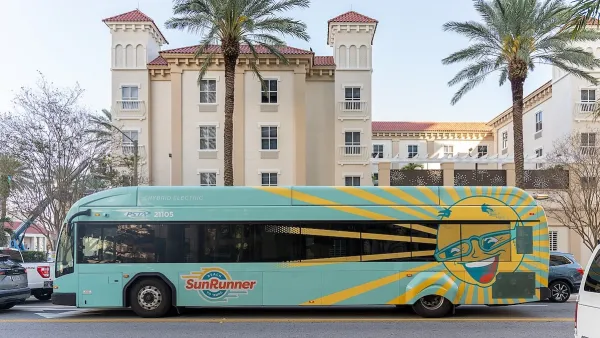
Florida DOT Orders Removal of St. Pete Bus Lane
The state says a popular BRT line has increased crashes and traffic on a state-owned portion of its corridor, prompting it to call for its reversal.

Planetizen Federal Action Tracker
A weekly monitor of how Trump’s orders and actions are impacting planners and planning in America.

California plans to bury El Niño’s downpour
If the state plays its cards right, it may be able to store a billion acre-feet of El Niño’s water in aquifers.

Chicago breaks ground on $3 billion megadevelopment
The new neighborhood, titled Foundry Park, will one day host 3,700 residences.

Satanic Place Names
From streams and lakes to valleys and canyons, I mapped more than 1,000 places named after the Devil.

California High-Speed Rail Authority CEO resigns after $600,000 scandal
Under Ian Choudri, the authority used taxpayer dollars to fund first class flights and trips to nightclubs.

Want to study the Missouri River? Soon, you may need unanimous approval from 10 states
Legislation would require 10 governors’ permission to study or build projects moving water outside the basin.

FREE Course: Walkable City 1: Why Walkability?
After describing his path towards focusing on walkability as the essence of good planning, Jeff Speck marches through his five principal reasons for making more walkable places.
Reinventing Malls: Planning Alchemy—Turning Gray Fields Into Gold
The course focuses on the opportunities and imperatives that shape reinvention of mall sites.

City of Rosemead
Rutgers University, Edward J. Bloustein School of Planning and Public Policy
One Hundred Miles
Hunter College, City University of New York (CUNY)
The Architects Foundation
University of Cincinnati Online
City of Cambridge
Montrose County
The Pocatello Development Authority