Greyhound will soon have a new competitor, with an Uber-like business model and a history of fast growth.


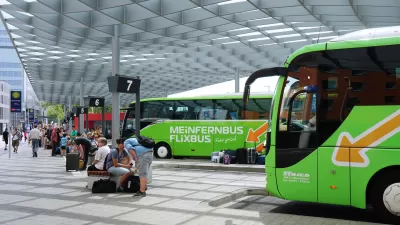
A new competitor is coming to the U.S. intercity bus industry. Flixbus has not changed the standard for service in intercity buses, yet "Flixbus is the hottest thing in Europe’s long-haul bus business: It boasts 200,000 cheap, daily connections to more than 1,200 destinations in 26 countries, carrying 30 million passengers in 2016," Laura Biss writes for CityLab. The service's innovations are more in the structure of the company: "As Uber does not own its on-demand cars, Flixbus does not own its buses. Instead, they are operated by other bus companies Flixbus has franchised or absorbed," Bliss reports.
From a customer perspective the company offers familiarity in an industry that often lacks that attribute. "This is part of Flixbus’ inherent value, from both a franchising and marketing standpoint, Schwieterman said: 'If you travel to another region, instead of stepping on a bus company you’ve never heard of, you recognize the brand,'" Bliss writes.
Flixbus is not yet profitable, but as they acquire more competitors they control a growing share of the market and may be able to raise prices. Flixbus executives argue that no matter how consolidated the bus market becomes they won't have a monopoly. In the United States the dynamic is different, as Greyhound remains the entrenched power, despite some flaws in its reputation.
Read the full story: Europe's Intercity Bus Juggernaut Is Rolling Into the U.S.

Chicago Bus Travelers Could Lose Downtown Terminal — and Winter is Coming
As the loss of intercity bus services and stations continues, Chicago could become the largest city in the developed world without a major downtown bus terminal.
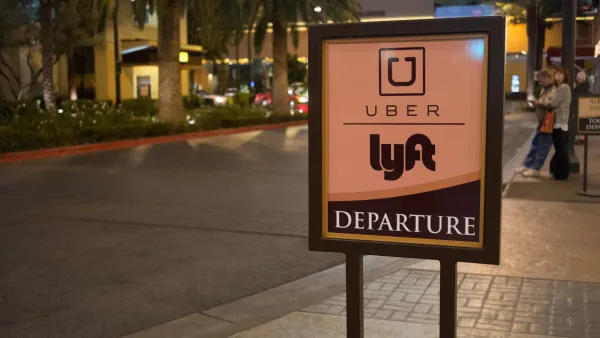
An Uber-Lyft Duopoly Could Benefit Customers
As monopolies, especially local ones, loom in some other industries, Uber's predominance has been slipping. Will a duopoly between Uber and Lyft be enough to ensure quality ride-hailing?
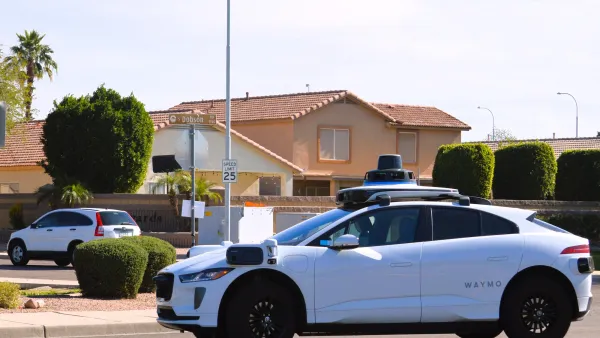
Uber and Waymo part ways in Phoenix
The companies ended a three-year pilot program, with Waymo saying it plans to keep its Phoenix robotaxi fleet available through its own app.

Planetizen Federal Action Tracker
A weekly monitor of how Trump’s orders and actions are impacting planners and planning in America.

California plans to bury El Niño’s downpour
If the state plays its cards right, it may be able to store a billion acre-feet of El Niño’s water in aquifers.

Desperate measures: Advocates weigh draining Lake Powell to fill Colorado River
Draining the reservoir could reduce evaporation losses by a couple hundred thousand acre-feet.

US buildings threatened, destroyed by fires set to triple by 2060
Researchers found a high fire risk for socioeconomically vulnerable neighborhoods in the American West.

LA residents may be allowed to paint their own crosswalks
Councilwoman Katy Yaroslavsky put out a motion instructing the Los Angeles Department of Public Transportation to study the feasibility of allowing volunteers to paint crosswalks.

Dallas moves to overhaul its zoning code
The city's zoning reform will allow more multi-family and mixed-use developments.

FREE Course: Walkable City 1: Why Walkability?
After describing his path towards focusing on walkability as the essence of good planning, Jeff Speck marches through his five principal reasons for making more walkable places.
Reinventing Malls: Planning Alchemy—Turning Gray Fields Into Gold
The course focuses on the opportunities and imperatives that shape reinvention of mall sites.

City of Rosemead
Rutgers University, Edward J. Bloustein School of Planning and Public Policy
One Hundred Miles
Hunter College, City University of New York (CUNY)
The Architects Foundation
University of Cincinnati Online
City of Cambridge
Montrose County
The Pocatello Development Authority