Two years after increasing entrance fees at national parks, The U.S. Department of the Interior wants to raise daily vehicle entrance fees at the nation's most popular parks to $70.


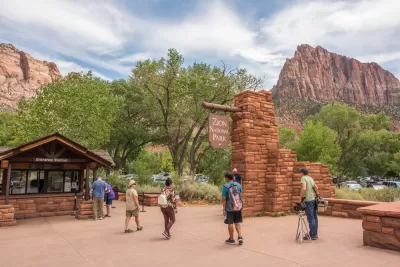
The U.S. Department of Interior has proposed a drastic increase of visitor fees for some of the nation's most popular national parks. According to a fact sheet released for public comment on October 24, 2017, the higher fees are necessary to generate revenue for infrastructure improvements.
Madison Park broke the news of the proposed fee increases, which would raise the entrance fee for a private vehicle $70 during peak season. The price is currently between $25 and $30. "The cost of the annual pass, which permits entrance into all federal lands and parks, would remain at $80," according to Park.
Park also lists the 17 parks targeted for fee increases:
- Arches
- Bryce Canyon
- Canyonlands
- Denali
- Glacier
- Grand Canyon
- Grand Teton
- Olympic
- Sequoia & Kings Canyon
- Yellowstone
- Yosemite
- Zion
- Acadia
- Mount Rainier
- Rocky Mountain
- Shenandoah
- Joshua Tree
For coverage of the fee increases tailored to some of those specific parks, see an article by Hugo Martin that considers the impact on Yosemite National Park. Another article by Benjamin Freed considers Shenandoah National Park.
FULL STORY: You may have to pay $70 to visit the Grand Canyon and 16 other national parks

11 States Launch Resistance to National Park Fee Changes
Eleven attorneys general have sent a letter, and a warning, to the Trump Administration: we'll battle new entrance fees in court if we have to.
Funding Biden's Infrastructure Plan: Should Users or Corporations Pay?
After determining the size and scope of President Biden's infrastructure package, the next biggest challenge is determining how to pay for it. The partisan divide is steep, but Roll Call exposes division within the Democrats' ranks.
Get Outdoors: 10,000 Miles of National Park Trails Restored
A three-year project to restore access to 10,000 miles of national park trails has been completed through a collaboration between the National Park Foundation and food company Nature Valley.

Planetizen Federal Action Tracker
A weekly monitor of how Trump’s orders and actions are impacting planners and planning in America.

The state-sanctioned urbicide of Austin
People don’t kill cities. Freeways do.

US to reduce Colorado River water deliveries to Mexico
A new Colorado Treaty amendment reduces Mexico’s Colorado River water allocation by 250,000 acre feet.

5 New England states march closer to 800 megawatt wind energy project
Securing federal approval for the project may be complicated under the Trump administration, which has historically been hostile towards domestic wind power.

Baltimore to break ground on $50 million Transit Priority Project
The project will bring faster bus trips, safer streets and better bike connections to Baltimore.

Airbnb launches $250 million 'last-dollar financing' housing accelerator, makes first investment in Austin
The company will put $6.4 million towards affordable housing development in Texas’ capital.

FREE Course: Walkable City 1: Why Walkability?
After describing his path towards focusing on walkability as the essence of good planning, Jeff Speck marches through his five principal reasons for making more walkable places.
Reinventing Malls: Planning Alchemy—Turning Gray Fields Into Gold
The course focuses on the opportunities and imperatives that shape reinvention of mall sites.

Eagle County Government
Harvard University Graduate School of Design
Nashville Planning Department
The Architects Foundation
University of Cincinnati Online
The Pocatello Development Authority
The Urban Renewal Agency of the City of Pocatello
Journal of the American Planning Association