If you could bring one building back from the wrecking balls of the past, what would it be?


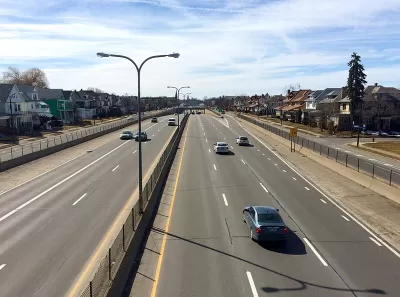
Kevin D. Murphy, Carol Willis, Daniel Bluestone, Kerry Traynor, and Sally Levine—five architecture professors from around the country—share their feelings about the most regrettable losses of architectural history.
The introduction of the article explains the premise:
Unfortunately, all cannot be salvaged. Preservation efforts must be galvanized; they require mobilization, time and resources. We reached out to five architecture professors and posed the following question: What’s one American structure you wish had been saved?
Each professor provides more background on how their choice came to be destroyed, and what the loss means to architectural history. The choices are as follows:
- The Mecca Flats on the South Side of Chicago (Selected by Daniel Bluestone)
- The Original Waldorf Astoria, located on Fifth Avenue in New York City (Selected by Carol A. Willis)
- The Rachel Raymond House, located in the Boston suburb of Belmont (Selected by Kevin D. Murphy)
- The Humboldt Parkway, designed by Frederick Law Olmsted as part of the Park and Parkway System in Buffalo (Selected by Kerry Traynor)
- The Chicago Stock Exchange (Selected by Sally Levine)
Read the full story: Remembering America’s lost buildings

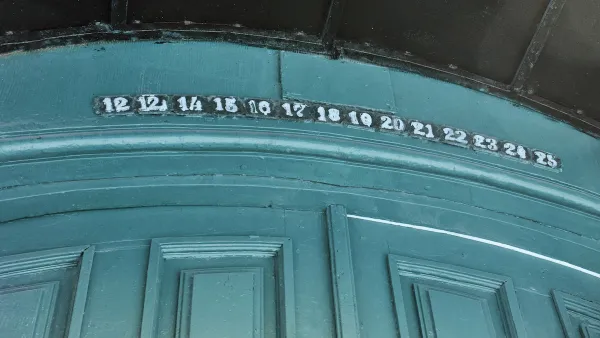
The Mystique of the 13th Floor: Superstitions, Sustainability, and the Future of Electrical Building Design
How engineers adapt a common superstition to maximize the utility of a stigmatized space.
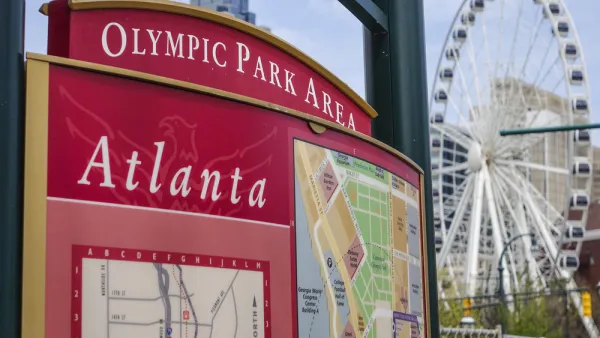
New Book Examines Public Housing as a Locus of Political Power
A new book, "Diverging Space for Deviants," connects public housing with political power.
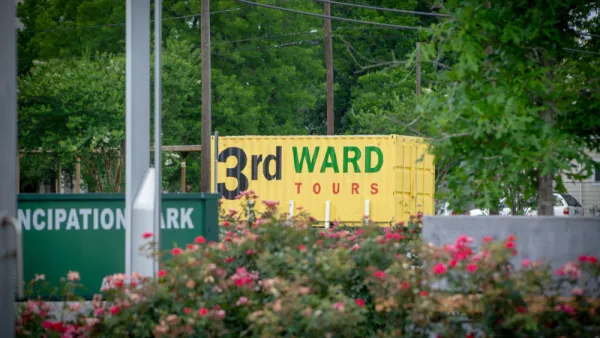
Surprising New Research on Gentrification in Houston
Affluent areas face more demolitions than gentrifying areas in Houston and Harris County, according to the findings of a new report from the Kinder Institute of Urban research.

Planetizen Federal Action Tracker
A weekly monitor of how Trump’s orders and actions are impacting planners and planning in America.

Amtrak, CN end decades-long dispute with eight-year agreement
The new operating agreement establishes an updated framework for the companies to work together, including processes to resolve disputes.

Judges permit Denver to divert 77,000 acre feet from the Colorado River for reservoir expansion
Overuse and climate change have caused the Colorado River’s water levels to plummet.

NYC DOT wants faster, more permanent street upgrades
The city is examining ways to build more concrete infrastructure without getting entangled in 'decades-long' projects.

'Something we’ve never seen before:' rising utility rates could strain city finances nationwide
Data centers, climate change and other factors have caused utility rates in the United States to increase by 38% since 2020.

Trump to overrule local leaders, lease millions of acres of America’s Pacific Island territories’ seafloors to mining companies
International law says that the Indigenous people of America’s territories have a right to prior and informed consent regarding projects that impact their countries.

FREE Course: Walkable City 1: Why Walkability?
After describing his path towards focusing on walkability as the essence of good planning, Jeff Speck marches through his five principal reasons for making more walkable places.
Reinventing Malls: Planning Alchemy—Turning Gray Fields Into Gold
The course focuses on the opportunities and imperatives that shape reinvention of mall sites.


Harvard University Graduate School of Design
KFH Group Inc.
Greater Baltimore Committee
The Architects Foundation
University of Cincinnati Online
The Pocatello Development Authority
The Urban Renewal Agency of the City of Pocatello