Is the bar for health risks in brownfield development set too high? Environmental attorney Richard Opper thinks so and argues the case in this opinion piece.


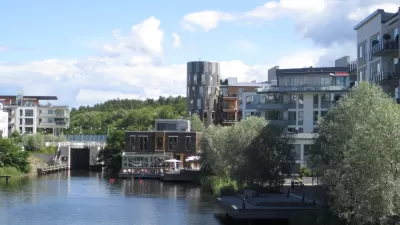
The health risk intolerance for brownfield development hovers around one in one million, and is much lower than all other regulatory areas, argues environmental attorney Richard Opper. He provides examples for comparison, including flying on an airplane and being struck by lightening. He continues,
What kind of life risks are comparable to this level of certainty? If we consult a source such as the National Oceanic and Atmospheric Administration, we are informed that an equivalent risk is the likelihood of any one of us being struck by lightning in any given year.[ii] I have to condition that factoid with the note they provide to the effect that one’s chance of being struck by lightning at some point in your life (assuming you live to be eighty) is 1/13,500. That’s almost getting scary.
For Opper's detailed analysis and argument, please see the source article.
FULL STORY: Risky Business – brownfield development in need of reasonable health risk standards

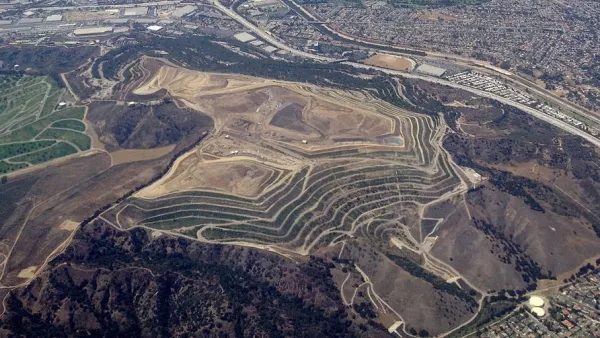
Creating a New Regional Park by Restoring Degraded Lands
Los Angeles County is transforming 142 acres of the Puente Hills Landfill into parkland, creating the first new regional park in the county in over 35 years. The recently released concept plan and renderings show what the park will look like.
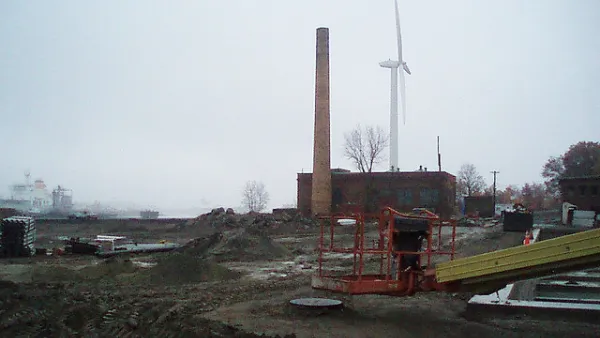
Anti-Displacement Measures for Brownfield Developments
A series of reports published by the U.S. Environmental Protection Agency and Smart Growth America highlights tools and policies that can help mitigate displacement pressure when recovering and developing brownfields around the United States.
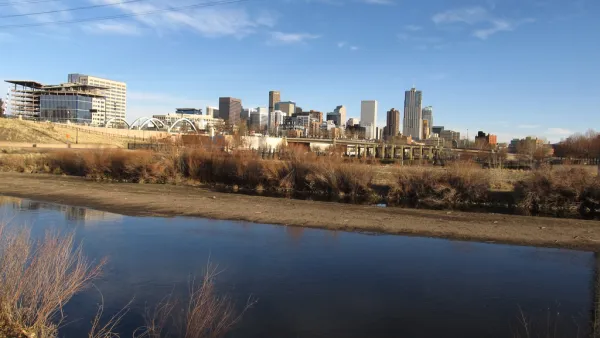
In Denver, a Former Brownfield Becomes a Park
After a 14-year battle to bring the project to life, the Platte Farm Open Space brings much-needed green space to a north Denver neighborhood.

Planetizen Federal Action Tracker
A weekly monitor of how Trump’s orders and actions are impacting planners and planning in America.

The state-sanctioned urbicide of Austin
People don’t kill cities. Freeways do.

US to reduce Colorado River water deliveries to Mexico
A new Colorado Treaty amendment reduces Mexico’s Colorado River water allocation by 250,000 acre feet.

5 New England states march closer to 800 megawatt wind energy project
Securing federal approval for the project may be complicated under the Trump administration, which has historically been hostile towards domestic wind power.

Baltimore to break ground on $50 million Transit Priority Project
The project will bring faster bus trips, safer streets and better bike connections to Baltimore.

Airbnb launches $250 million 'last-dollar financing' housing accelerator, makes first investment in Austin
The company will put $6.4 million towards affordable housing development in Texas’ capital.

FREE Course: Walkable City 1: Why Walkability?
After describing his path towards focusing on walkability as the essence of good planning, Jeff Speck marches through his five principal reasons for making more walkable places.
Reinventing Malls: Planning Alchemy—Turning Gray Fields Into Gold
The course focuses on the opportunities and imperatives that shape reinvention of mall sites.

Eagle County Government
Harvard University Graduate School of Design
Nashville Planning Department
The Architects Foundation
University of Cincinnati Online
The Pocatello Development Authority
The Urban Renewal Agency of the City of Pocatello
Journal of the American Planning Association