A few ideas on how advertisements could do a better job of selling public transit to the public.


The team at Mobility Lab has produced a series of articles offering recommendations on how transit agencies should advertise their services.
First, Ethan Goffman writes an article suggesting that to compete with the media attention focused on prestigious and hip corporations like Tesla, Mercedes Benz, and Uber, transit agencies should "combine efforts – and budgets – in a national effort."
"This could create spots that 'do it all,'" adds Goffman, "using the best contemporary messaging techniques to highlight the benefits of transit. Branding for a specific transit system could then easily be inserted into the ads by local agencies that identify with the messaging. Such ads would help overcome resistance to change, emphasizing the personal, social, and environmental benefits of transit while appealing to everyone from millennials to seniors."
In a follow-up article, John Perry adds two more cents about how transit agencies can ensure quality in advertising campaigns. The premise of Perry's argument: "most contemporary transit advertising in the U.S. sucks. A lot of it is very flat and bureaucratic, unimaginative, and oftentimes with a hokey gimmick." Perry does identify one example par excellence: the work of Metro in Los Angeles, which "produces videos that are splendidly made."
(Perry's article is republished by Mobility Lab. The original article is on Perry's blog, Bastard Urbanism.)
Read the full story: National advertising effort needed by local transit agencies

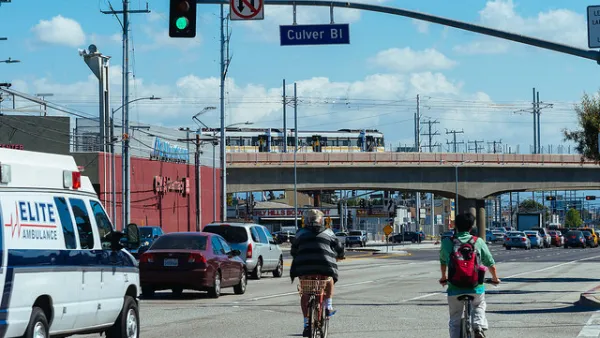
Designing a Multi-Modal, User-Focused TOD Vision for Los Angeles' Expo Line
Facing explosive development interest around its Metro station, the small city of Culver on L.A.’s Westside is taking steps to shape its mobility future.
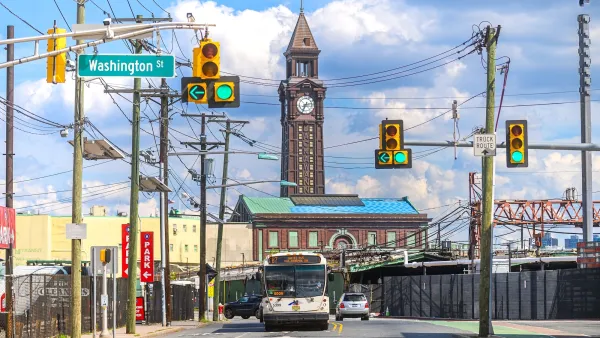
New Jersey has a Plan to buy Transit with LAND. Will it Actually Work?
I have questions.
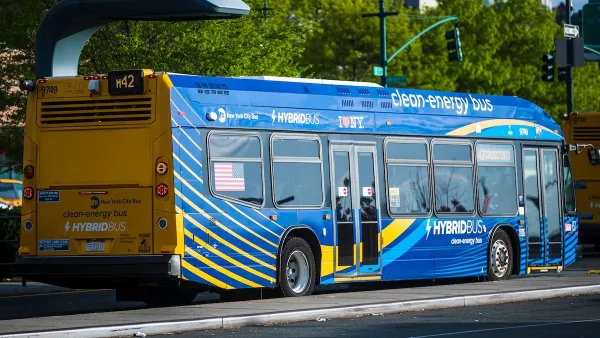
Transit Bus Costs Rise Sharply Due to Tariffs
The cost of a transit bus has gone up by 68 percent since 2021, in part because of recent tariffs on steel and aluminum.

Planetizen Federal Action Tracker
A weekly monitor of how Trump’s orders and actions are impacting planners and planning in America.

Amtrak, CN end decades-long dispute with eight-year agreement
The new operating agreement establishes an updated framework for the companies to work together, including processes to resolve disputes.

Judges permit Denver to divert 77,000 acre feet from the Colorado River for reservoir expansion
Overuse and climate change have caused the Colorado River’s water levels to plummet.

How ‘post-disaster gentrification’ alters neighborhoods after natural calamities
After hurricanes, fires or other calamities, the original residents of a community are often replaced by younger, wealthier residents.

Maryland local governments examine if they should have more power to raise property taxes
Maryland’s housing market is out of reach for the majority of moderate-income residents.

Northwest rail fans eager for Sept. 30 debut of Amtrak’s Airo fleet
Get ready for that new train smell and more seats. But they won’t go faster or run more frequently on the Cascades route in Washington and Oregon.

FREE Course: Walkable City 1: Why Walkability?
After describing his path towards focusing on walkability as the essence of good planning, Jeff Speck marches through his five principal reasons for making more walkable places.
Reinventing Malls: Planning Alchemy—Turning Gray Fields Into Gold
The course focuses on the opportunities and imperatives that shape reinvention of mall sites.

Harvard University Graduate School of Design
KFH Group Inc.
Greater Baltimore Committee
The Architects Foundation
University of Cincinnati Online
The Pocatello Development Authority
The Urban Renewal Agency of the City of Pocatello