A loan program helps non-profits procure affordable apartment buildings that might otherwise be snatched up by speculative developers.


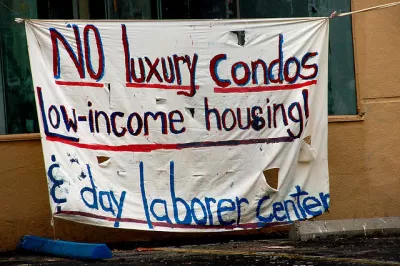
In 2014, San Francisco launched a pilot project to save affordable apartment buildings from being converted to high-rent new developments—part of the gentrification and displacement process that often involves mass eviction of existing low-to-moderate-income tenants.
In its pilot stage, Small Sites provided loans that saved at least 13 at-risk buildings. Now housed at a new non-profit, the San Francisco Housing Accelerator Fund, the program is poised to continue its work into the foreseeable future, beginning with about a dozen more buildings.
"FHAF was conceived collaboratively by affordable and market-rate developers, community groups, residents, mayoral staff in housing and neighborhood development agencies, and other partners," Oscar Perry Abello reports at Next City.
The fund focuses on buildings that are bear all the hallmarks of gentrification: They are or have been under rent control; they house longtime and medium-to-low-income tenants; and they appear likely to be purchased by a developer who might evict or drastically raise the rent on current tenants. Moreover, Abello notes, the program's efforts must have the backing of the residents: "there must be clear evidence that tenants are already organizing or would be willing to organize against new owners who would evict them."
FULL STORY: San Francisco Now Has a One-Stop Shop to Invest in Fighting Displacement

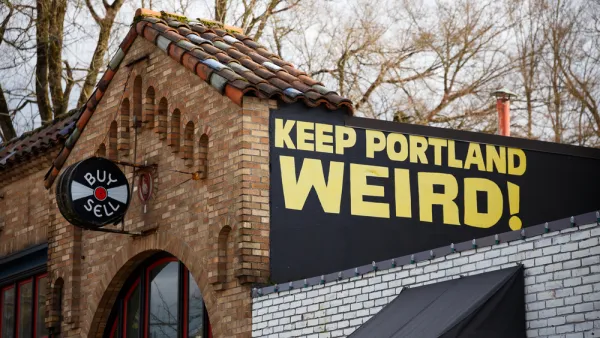
Is Portland the Next San Francisco?
Now that tech companies have "discovered" Portland, Oregon, longtime residents question whether the progressive city has done enough to protect them from displacement. Sound familiar?

The Rent Gap Theory
Some urbanism commentators suggest that gentrification is the result of a "rent gap" between actual and potential rent. How should this theory affect zoning policy?
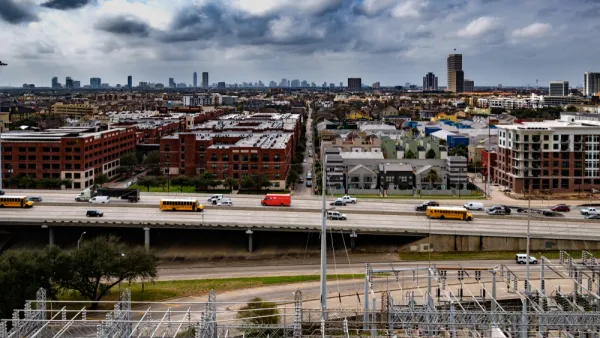
Rents Grow Fastest in Houston's Opportunity Zones
Rents have grown as much as 28 percent in the last year over the past year in the neighborhood of Midtown in Houston.

Planetizen Federal Action Tracker
A weekly monitor of how Trump’s orders and actions are impacting planners and planning in America.

The state-sanctioned urbicide of Austin
People don’t kill cities. Freeways do.

US to reduce Colorado River water deliveries to Mexico
A new Colorado Treaty amendment reduces Mexico’s Colorado River water allocation by 250,000 acre feet.

5 New England states march closer to 800 megawatt wind energy project
Securing federal approval for the project may be complicated under the Trump administration, which has historically been hostile towards domestic wind power.

Baltimore to break ground on $50 million Transit Priority Project
The project will bring faster bus trips, safer streets and better bike connections to Baltimore.

Airbnb launches $250 million 'last-dollar financing' housing accelerator, makes first investment in Austin
The company will put $6.4 million towards affordable housing development in Texas’ capital.

FREE Course: Walkable City 1: Why Walkability?
After describing his path towards focusing on walkability as the essence of good planning, Jeff Speck marches through his five principal reasons for making more walkable places.
Reinventing Malls: Planning Alchemy—Turning Gray Fields Into Gold
The course focuses on the opportunities and imperatives that shape reinvention of mall sites.

Eagle County Government
Harvard University Graduate School of Design
Nashville Planning Department
The Architects Foundation
University of Cincinnati Online
The Pocatello Development Authority
The Urban Renewal Agency of the City of Pocatello
Journal of the American Planning Association