This second of a series on brownfield remediation and development is a funny and sarcastic primer about the process and its failures. Written by Environmental attorney Richard Opper.


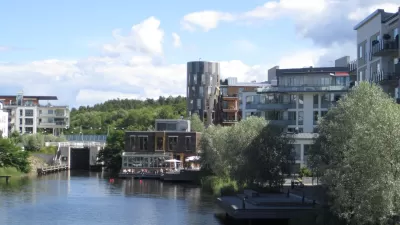
In 2002, amendments to CERCLA (Comprehensive Environmental Response, Compensation, and Liability Act)—the Superfund Law, were supposed to create a "get out of jail card" for owners of land who were innocent of polluting it or were diligent in investigating for pollution before acquiring it. It hasn't quite worked out that way, writes Richard Opper, an environmental attorney in San Diego, in a funny and sarcastic manner that could not be duplicated in this summary. Moreover, Phase 1 reports have created a cottage industry in which a large percentage of the reports are quite meaningless—except for their costs. Opper writes:
Now the bad news is that efforts by property owners to claim this protected space have not met with general success. Sometimes it’s been a good thing – but more often there is some little bit or piece of the puzzle that you just sort of missed and WHAM! Color you a Responsible Party. And, by the way, if the strategy does work, it ONLY works for CERCLA as a “get out of jail pass”. It doesn’t work for the Clean Water Act (federal) or Porter-Cologne (state) or claims of nuisance or any one of a dozen creative ways lawyers can tell you, “tag, you’re it.”
He goes on:
We now routinely use a Phase I for every property transaction that takes place. Lenders demand it (despite the fact that they get a special extra CERCLA exemption). So this notion of taking an “initial study” to see if there might be a “release of hazardous substances” that requires assessment and remediation gets routinely applied to all deals. And each time it follows the set rules about how to address the issue. And at no point did anyone ever consider – why are we doing this for property that has already been studied, assessed AND remediated, all under the watchful eye of a regulator?
Opper goes on to point to a number of the other ways the new Phase I requirements fail. For anyone wanting to understand the brownfield environmental process better, and where it needs improvement, please read Richard Opper's series on Brownfields.
Read the full story: Observations from the Brownfield Trenches: The Phase I Report
Is the Cleaning of Superfund Sites Causing More Harm than Good?
Three decades after it was established, the EPA's Superfund program is taking on some of the most complex and costly projects ever attempted. With many focused underwater, some worry the stirring up of polluted sediment will exacerbate the problem.
From Superfund To Super Fun
The City of Saco, Maine is turning land the federal government once labeled a toxic Superfund site into a hub for hiking, fishing, and recreation.
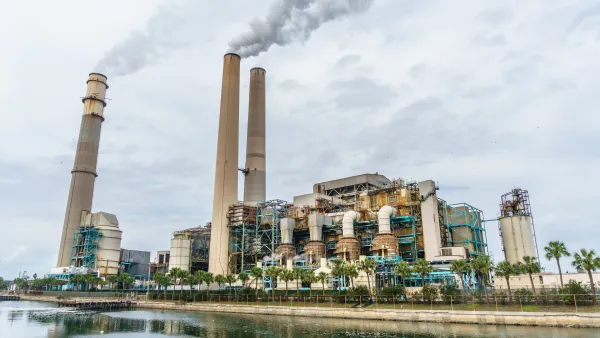
EPA to slash water treatment requirements for coal plants, citing growing electricity demand from AI data centers
The agency says the revisions to wastewater regulations — which critics call dangerous to human health — will decrease energy production costs by $1.1 billion annually.

Planetizen Federal Action Tracker
A weekly monitor of how Trump’s orders and actions are impacting planners and planning in America.

Eastern Nebraska is running out of electricity
Data centers and electrification are straining eastern Nebraska’s grid, throttling economic development.

Move over, LA: St. Louis gears up for Olympics, invests millions in downtown redevelopment
The Missouri city will host the 2028 Olympic soccer group stage and knockout matches.

Dallas releases zoning code overhaul to officials
The drafted overhaul is over 400 pages long.

NYC renovations for dangerous, ‘mercilessly crammed’ street delayed until 2027
Construction was supposed to begin this fall.

San Diego’s Midway Rising project gets greenlight from city council
The project looks to become the largest affordable housing development in California's history.

FREE Course: Walkable City 1: Why Walkability?
After describing his path towards focusing on walkability as the essence of good planning, Jeff Speck marches through his five principal reasons for making more walkable places.
Reinventing Malls: Planning Alchemy—Turning Gray Fields Into Gold
The course focuses on the opportunities and imperatives that shape reinvention of mall sites.

City of Rosemead
Rutgers University, Edward J. Bloustein School of Planning and Public Policy
One Hundred Miles
University of Michigan School for Environment and Sustainability (SEAS)
Hunter College, City University of New York (CUNY)
The Architects Foundation
City of Cambridge
The Pocatello Development Authority
The Urban Renewal Agency of the City of Pocatello