With the loss of redevelopment in California, money for brownfield remediation has dried up. The California Legislature needs to focus on regulatory reform to support brownfield redevelopment, according to environmental attorney Richard Opper.


In the wake of 9/11, Congress revised CERCLA (Comprehensive Environmental Response, Compensation, and Liability Act, aka Superfund) so that the World Trade Center site could be rebuilt. It was a step in the right direction but not enough, writes Richard Opper, a San Diego based environmental law attorney. In California, Governor Brown's elimination of redevelopment agencies, eliminated a primary source of funding for redevelopment of such sites. He says:
. . . it is an embarrassing failure of leadership at all the state levels that has failed to implement regulatory reform to support brownfield redevelopment. California still treats every plot owner as a possible PRP (rhymes with “perp” aka potentially responsible party). It doesn’t matter which of the mind numbingly various state agencies one deals with, they are generally just not interested in making brownfield redevelopment smarter in California. Our governor, who has had experience with urban redevelopment, seems to think our state system is fine and in need of no further improvement. In this he is wrong. Our current system is suffering from regulatory entropy. We are at a point as low as any of the last three decades.
For more of Opper's views on the topic, please visit the source article.
Read the full story: Observations from the Brownfield Trenches
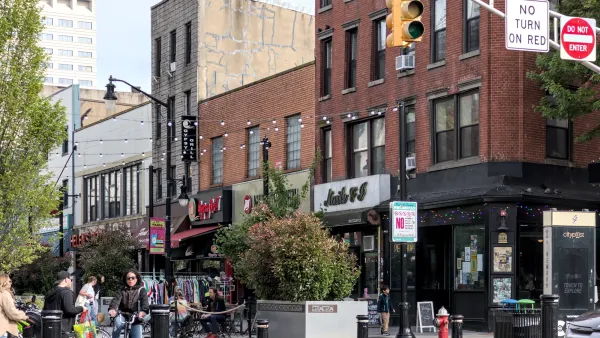
Jersey City could build 700 homes on city-owned parking lots
If approved, a redevelopment proposal would build hundreds of new homes on a pair of city parking lots.
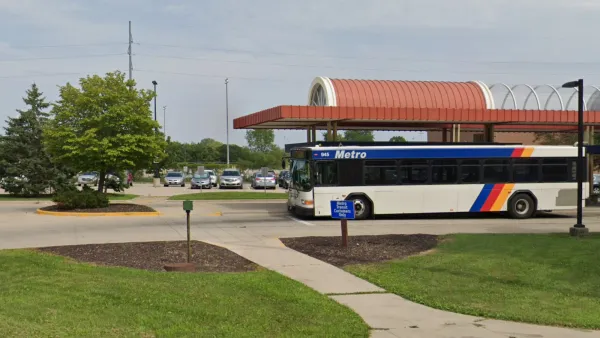
Madison approves hundreds of affordable apartments as deadline for federal funding looms
A recently approved project will bring 163 affordable units to the north side.
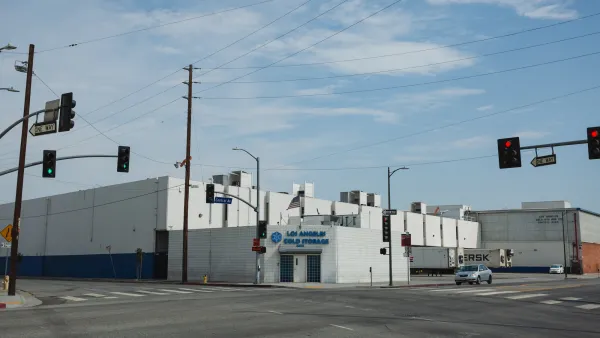
LA approves $2B 'urban village' plan for former cold storage facilities
The project promises an interconnected neighborhood with a focus on public space.

Planetizen Federal Action Tracker
A weekly monitor of how Trump’s orders and actions are impacting planners and planning in America.

Eastern Nebraska is running out of electricity
Data centers and electrification are straining eastern Nebraska’s grid, throttling economic development.

Move over, LA: St. Louis gears up for Olympics, invests millions in downtown redevelopment
The Missouri city will host the 2028 Olympic soccer group stage and knockout matches.

Dallas releases zoning code overhaul to officials
The drafted overhaul is over 400 pages long.

NYC renovations for dangerous, ‘mercilessly crammed’ street delayed until 2027
Construction was supposed to begin this fall.

San Diego’s Midway Rising project gets greenlight from city council
The project looks to become the largest affordable housing development in California's history.

FREE Course: Walkable City 1: Why Walkability?
After describing his path towards focusing on walkability as the essence of good planning, Jeff Speck marches through his five principal reasons for making more walkable places.
Reinventing Malls: Planning Alchemy—Turning Gray Fields Into Gold
The course focuses on the opportunities and imperatives that shape reinvention of mall sites.

City of Rosemead
Rutgers University, Edward J. Bloustein School of Planning and Public Policy
One Hundred Miles
University of Michigan School for Environment and Sustainability (SEAS)
Hunter College, City University of New York (CUNY)
The Architects Foundation
City of Cambridge
The Pocatello Development Authority
The Urban Renewal Agency of the City of Pocatello