In rural America, young people overwhelmingly prefer driving to using other forms of transit, whether that's a function of the options available or natural preference is subject to debate.



A recent study from Montana State University found that, unlike their peers in suburban and urban communities, Millennials in rural areas prefer to drive. According to this study, 87% of Millennials from rural areas and small towns prefer to travel by car. "Just 0.5 percent of rural America uses public transportation to get to work, compared to 6.2 percent of urbanites," according to reporting from Aarian Marshall in Wired. The tendency to use automotive transport was not just a product of long work commutes, "Even among Millennials still in school, just one in five want to use the bus, while three quarters are still all about cars," Marshall writes.
What causes this stated preference is debatable, it could be that the infrastructure doesn't exist and so it's hard for Millennials in these communities to express a preference for something they haven’t experienced, or it could be that this is a deeply rooted value. The authors of the study tell Marshall that the transit options of rural communities is an area that hasn't been studied enough, and that they hope the question of what causes the car preference will motivate future study.
FULL STORY: Rural Millennials Still Dig Driving. Well, They Have No Choice

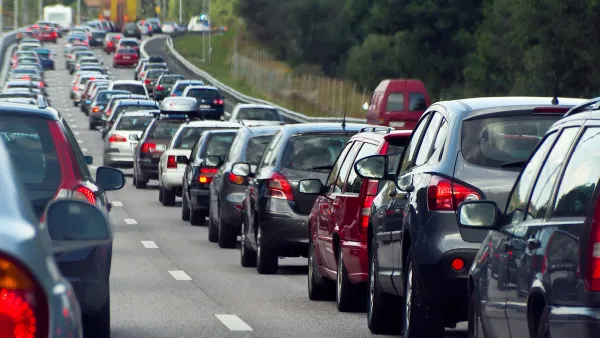
Leveraging the Choice Not to Travel
The pandemic accelerated the growth of remote services and telecommuting. Now is the time for urban planners to leverage these new opportunities to reduce vehicle miles traveled.
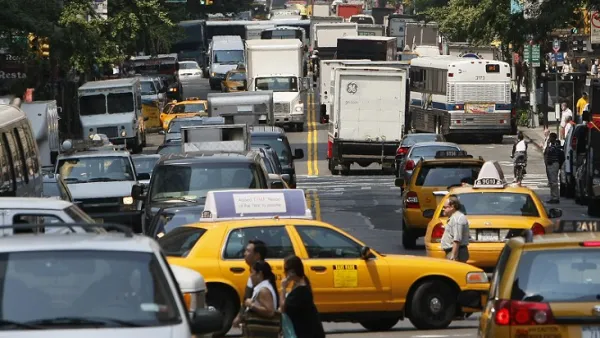
Cars Still Rule the Road. Is Change Possible?
The dominant narrative is that streets are for cars and infrastructure that accommodates driving is necessary for cities to grow. But cities ended up this way because of decisions that make other modes secondary.
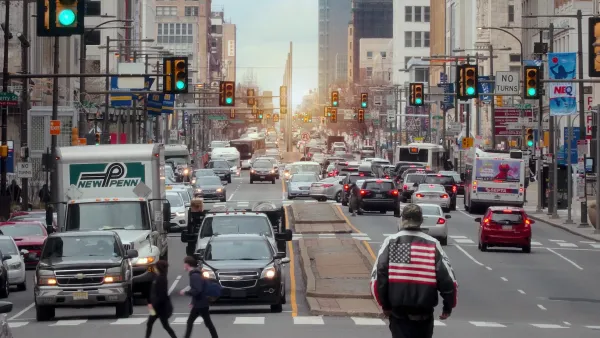
US workers spend nearly an hour a day commuting
High housing costs and return-to-office policies are forcing more American workers to live farther from work, pushing the average daily commute time to nearly an hour.

The state-sanctioned urbicide of Austin
People don’t kill cities. Freeways do.

US to reduce Colorado River water deliveries to Mexico
A new Colorado Treaty amendment reduces Mexico’s Colorado River water allocation by 250,000 acre feet.

New Jersey’s second-largest city bans standalone data centers
Jersey City will continue to allow co-location facilities, such as those meant for research institutions that store their own data.

Amtrak not solely to blame for New Jersey commuter rail's unreliability, report finds
A new study from the Garden State Initiative found that NJ Transit’s budget grew 20% across a 4 year period, but reliability declined significantly over the same period.

EPA erases limits on planet-warming pollution from power plants
Under Monday’s plan, power plants would still have some limits on how much mercury, arsenic and other contaminants they can emit.

Phoenix announces new on-demand transit service, more frequent RAPID buses
Both new services will launch in October, and are part of Phoenix's Project Effective Access Solutions for Easing Congestion.

FREE Course: Walkable City 1: Why Walkability?
After describing his path towards focusing on walkability as the essence of good planning, Jeff Speck marches through his five principal reasons for making more walkable places.
Reinventing Malls: Planning Alchemy—Turning Gray Fields Into Gold
The course focuses on the opportunities and imperatives that shape reinvention of mall sites.

Eagle County Government
Harvard University Graduate School of Design
Nashville Planning Department
The Architects Foundation
University of Cincinnati Online
The Pocatello Development Authority
The Urban Renewal Agency of the City of Pocatello
Journal of the American Planning Association