The aspiration for a forthcoming Uniform Land Use Review Procedure for East Midtown Manhattan is nothing short of returning the neighborhood to central business district status.


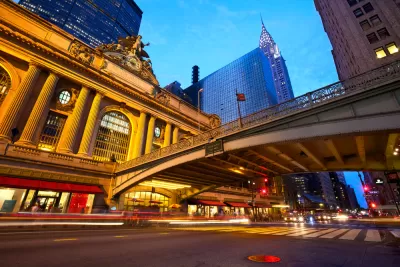
"It’s Z-Day for East Midtown." That's z for zoning, according to the attention grabbing lede of an article by Steve Cuozzo.
The Grand Central-adjacent neighborhood in Manhattan will begin a rezoning process (also described as a "formal land-use review process" by Cuozzo) this week after years of delays.
"Rezoning to allow large, modern new buildings to rise is critical to saving the 73-block district from galloping obsolescence," explains Cuozzo. "Existing buildings, hobbled by ancient infrastructure unsuited to today’s digitally attuned companies, are an average 70 years old, mainly because 1961 zoning rules made replacing them near-impossible."
The article includes more detail about the potential square feet of office space that could be gained in the rezoning, as well as some of the private stakeholders who will take an interest in the project. The New York Department of City Planning also recently completed and posted the draft environmental impact statement [pdf] for the rezoning proposal.
Read the full story: East Midtown rezoning plan might finally happen
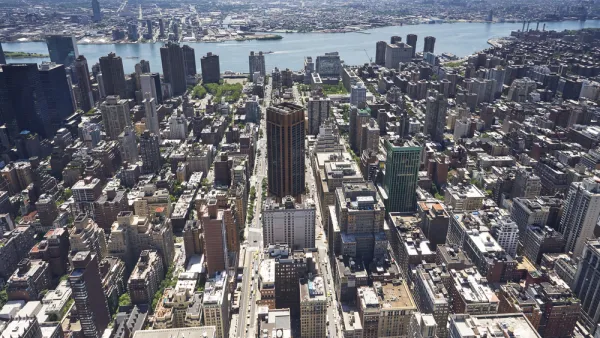
To Inspire New Development, New York Rethinking its Shadow-Predicting Formula
The New York Department of City Planning is considering changes to a formula used to model the shadows cast by potential developments as part of its Midtown East rezoning plan.
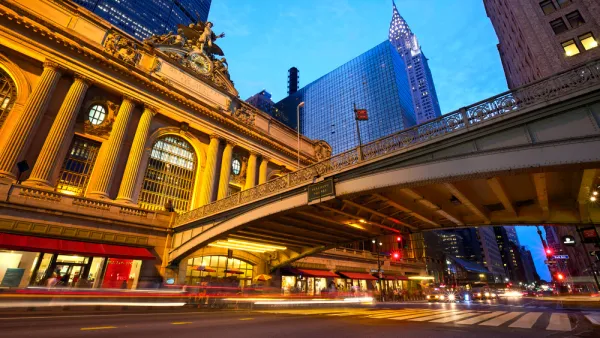
Controversy Follows Proposed Midtown East Plan
A very public spat over proposed Midtown East plan took place in the pages of Crain's this week.

Op-Ed Supports Staten Island Rezoning for its Green Benefits
A rezoning proposal for Staten Island in New York City gets support from a local resident with deep involvement in the community.

Planetizen Federal Action Tracker
A weekly monitor of how Trump’s orders and actions are impacting planners and planning in America.

Eastern Nebraska is running out of electricity
Data centers and electrification are straining eastern Nebraska’s grid, throttling economic development.

Move over, LA: St. Louis gears up for Olympics, invests millions in downtown redevelopment
The Missouri city will host the 2028 Olympic soccer group stage and knockout matches.

Dallas releases zoning code overhaul to officials
The drafted overhaul is over 400 pages long.

NYC renovations for dangerous, ‘mercilessly crammed’ street delayed until 2027
Construction was supposed to begin this fall.

San Diego’s Midway Rising project gets greenlight from city council
The project looks to become the largest affordable housing development in California's history.

FREE Course: Walkable City 1: Why Walkability?
After describing his path towards focusing on walkability as the essence of good planning, Jeff Speck marches through his five principal reasons for making more walkable places.
Reinventing Malls: Planning Alchemy—Turning Gray Fields Into Gold
The course focuses on the opportunities and imperatives that shape reinvention of mall sites.

City of Rosemead
Rutgers University, Edward J. Bloustein School of Planning and Public Policy
One Hundred Miles
University of Michigan School for Environment and Sustainability (SEAS)
Hunter College, City University of New York (CUNY)
The Architects Foundation
City of Cambridge
The Pocatello Development Authority
The Urban Renewal Agency of the City of Pocatello