Some of the effects of the Obama Administration will take years to appear, but a new book already begins the process of taking stock of the administration's efforts to support and improve cities.


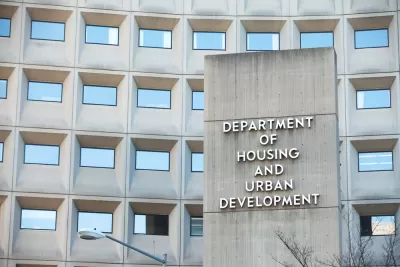
"In 2008, Barack Obama ran for the presidency on a message of hope. And urban America felt it," according to an article by Tanvi Misra.
Obama had an urban pedigree, and they expected his presidency to usher in a new urban era in the United States. A new book, edited by James DeFillipis, takes stock of Obama's legacy as an advocate for cities while in the White House.
Misra interviews DeFillipis, who, in addition to writing the book Urban Policy in the Time of Obama, is an associate professor in the Edward J. Bloustein School of Planning and Public Policy at Rutgers University. The interview ranges from giving Obama's urban policies a grade (B-), discussions of public housing, the Obama Administration's reliance on public-private partnerships, the slippery nature of the term "urban," and a quick look forward to the Trump Administration.
Read the full story: Grading Obama's Urban Policy Legacy

Planetizen Week in Review: September 30, 2016
Welcome, President Obama, to the NIMBY wars.
Power Plants: A Win for the EPA
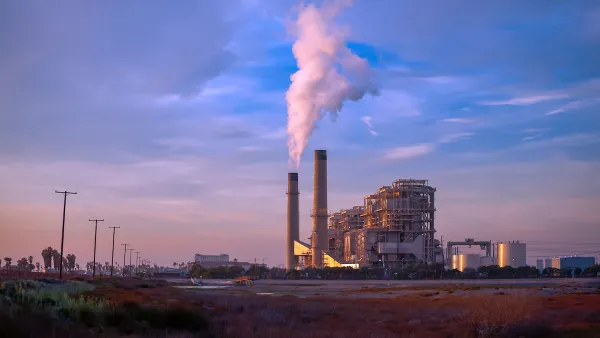
New rules from the US Environmental Protection Agency to regulate greenhouse gas emissions from fossil fuel-fired power plants survived an attempt by 25 Republican-led states to block their implementation while their case is litigated.
A Win for ‘Keep it in the Ground’
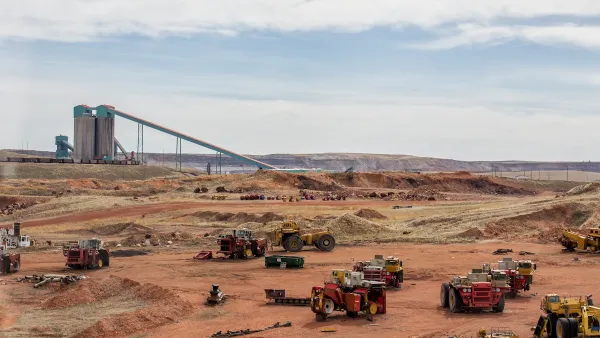
Coal mining in Wyoming will take a major hit as a result of a U.S. Department of Interior plan to cease future leasing of coal mines in the nation's most productive coal mining basin. The decision casts a spotlight on the presidential election.

Planetizen Federal Action Tracker
A weekly monitor of how Trump’s orders and actions are impacting planners and planning in America.

The state-sanctioned urbicide of Austin
People don’t kill cities. Freeways do.

Colorado’s Largest Data Center Could Rise Next to Homes — Without a Public Hearing
The proposed campus would consume 11 times the power of Denver International Airport; as it has across the country, opposition mounts.
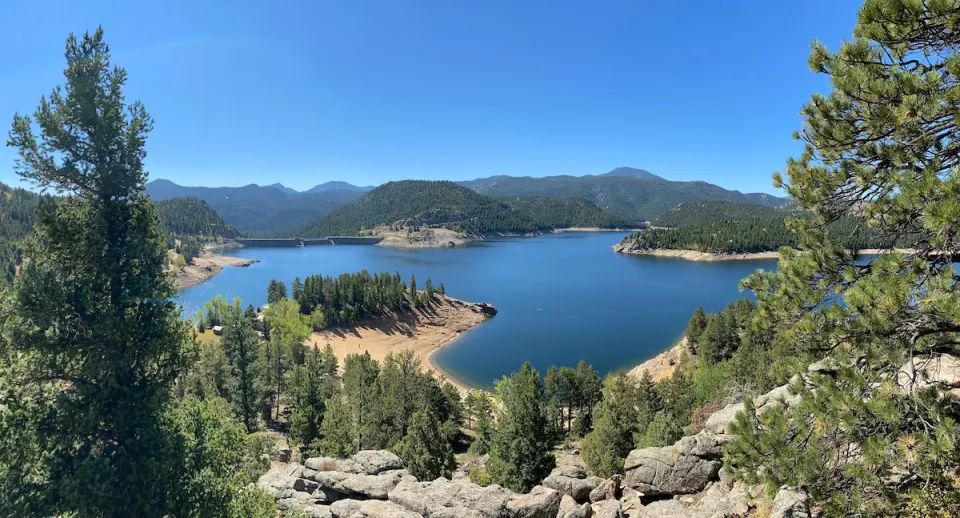
Judges permit Denver to divert 77,000 acre feet from the Colorado River for reservoir expansion
Overuse and climate change have caused the Colorado River’s water levels to plummet.

Amtrak, CN end decades-long dispute with eight-year agreement
The new operating agreement establishes an updated framework for the companies to work together, including processes to resolve disputes.
Raised interest rates may kill financially vulnerable construction projects
The chief economist at ConstructConnect warns that if construction project owners are negatively impacted by the raised rates, it could result in delayed payments to contractors.

FREE Course: Walkable City 1: Why Walkability?
After describing his path towards focusing on walkability as the essence of good planning, Jeff Speck marches through his five principal reasons for making more walkable places.
Reinventing Malls: Planning Alchemy—Turning Gray Fields Into Gold
The course focuses on the opportunities and imperatives that shape reinvention of mall sites.

KFH Group Inc.
Greater Baltimore Committee
Eagle County Government
The Architects Foundation
University of Cincinnati Online
The Pocatello Development Authority
The Urban Renewal Agency of the City of Pocatello