Experts expect the Phoenix region, a hot bed for the negative effects of the housing crash of the Great Recession, to become one of the nation's strongest housing markets in 2017.


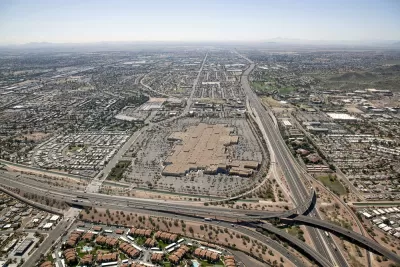
Experts expect the Phoenix region, a hot bed for the negative effects of the housing crash of the Great Recession, to become one of the nation's strongest housing markets in 2017.
"Phoenix’s battle-scarred housing market is expected to be the strongest in the country in 2017, another sign that the U.S. housing market is returning to full strength," reports Laura Kusisto.
During the Great Recession, some experts thought the housing market in the Phoenix region might not recover for decades, but the regional recovery mirrors a national recovery—the latter set a new record high, according to a November data release from S&P CoreLogic Case-Shiller U.S. National Home Price index.
Though Phoenix home prices are still 12 percent below the peak established in July 2016, "[t]hrough August of this year they have risen by 6% compared with the same period last year," explains Kusisto. "Sales have grown 5% during that time." Moreover, "Home prices are expected to grow 3.9% next year and existing home sales are forecasted to grow 1.9% to 5.46 million homes…"
[Wall Street Journal article might be hidden a paywall for some readers.]
Read the full story: What the Rise of Phoenix’s Housing Market Says About the U.S. Economy
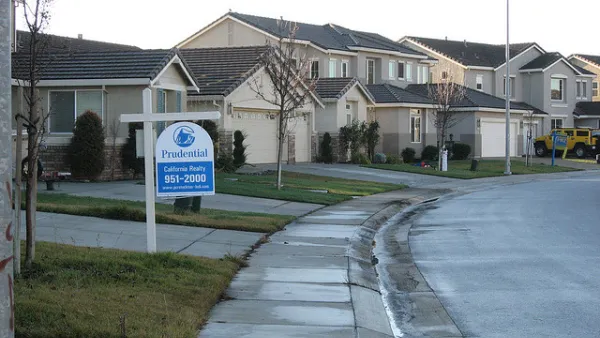
When Wall Street Controls the Housing Market
A debate about the effect of the increasing footprint of large, institutional investors in the housing market is further fragmenting the politics of development in the United States.
'The Great Real Estate Reset'
Business as usual in the real estate industry is failing the economy and the political and social cohesion of the United States, according to a new initiative launched by the Brookings Institution.
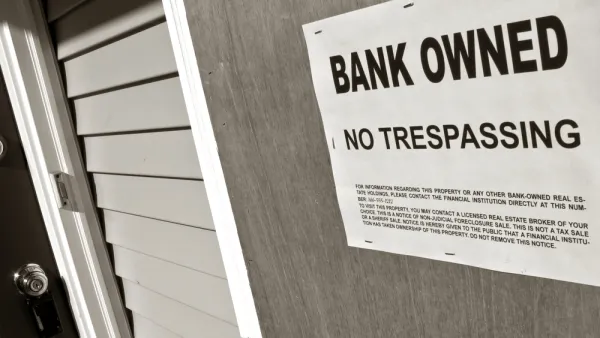
Wall Street Wagering on a Permanent Suburban Renter Class
Expectations that the economic downturn of the COVID-19 pandemic will create a wave of homeowners leaving the market, whether by choice or necessity, are driving big acquisitions by private equity firms and Wall Street investors.

Planetizen Federal Action Tracker
A weekly monitor of how Trump’s orders and actions are impacting planners and planning in America.

California plans to bury El Niño’s downpour
If the state plays its cards right, it may be able to store a billion acre-feet of El Niño’s water in aquifers.

Desperate measures: Advocates weigh draining Lake Powell to fill Colorado River
Draining the reservoir could reduce evaporation losses by a couple hundred thousand acre-feet.

Los Angeles just elected an urban planner as its mayor
Transportation analysts are optimistic that Raman will be more aggressive in addressing transit issues than Bass.

Mamdani’s pied-à-terre tax survives legal challenge
A panel of judges found that the plaintiffs failed to demonstrate injury as a result of New York City's implementation of the tax.

Eastern Nebraska is running out of electricity
Data centers and electrification are straining eastern Nebraska’s grid, throttling economic development.

FREE Course: Walkable City 1: Why Walkability?
After describing his path towards focusing on walkability as the essence of good planning, Jeff Speck marches through his five principal reasons for making more walkable places.
Reinventing Malls: Planning Alchemy—Turning Gray Fields Into Gold
The course focuses on the opportunities and imperatives that shape reinvention of mall sites.

City of Rosemead
Rutgers University, Edward J. Bloustein School of Planning and Public Policy
One Hundred Miles
University of Michigan School for Environment and Sustainability (SEAS)
Hunter College, City University of New York (CUNY)
The Architects Foundation
City of Cambridge
Montrose County
The Pocatello Development Authority