An interactive map from Chicago Cityscape shows all of the city's parking lots, vacant spaces, and city-owned land. Not all of it is truly vacant, or developable, but the map shows how much scope remains for new construction.


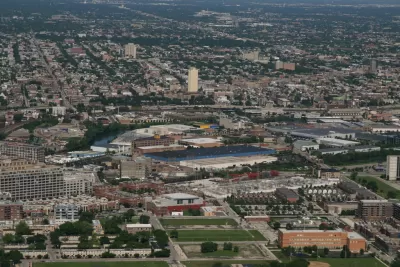
The folks over at Chicago Cityscape have upgraded their Property Finder map. According to founder Steven Vance, "The map's intention has always been straightforward: use open data to show all the land that is sitting there, across the city, but definitely concentrated in a few areas, waiting to be developed."
Categories of land include vacant spaces and portions of land owned by the city. The map also shows "over 4,600 parking lots, both surface and garage. Since the parking lots dataset comes from OpenStreetMap, where many individuals have drawn them in by hand, there are hundreds that have yet to be added."
Of course, not all the city-owned land is truly vacant, and neither is all the land labeled vacant. "The vacant land dataset, which comes from the Cook County Tax Assessor, is imperfect, too. It marks the space between buildings as vacant when they’re really not (used for driveways, garages, yards)."
Still, the map gives us an idea of where major infill development could occur. The majority of city-owned and vacant property is located in lower-income neighborhoods, both on the South Side (mostly west of the Dan Ryan Expressway), and west of downtown around Garfield Park and Lawndale. Parking lots are thickly spread south and west of the Loop, and along the river to the north.
FULL STORY: Look at all that developable land in the city

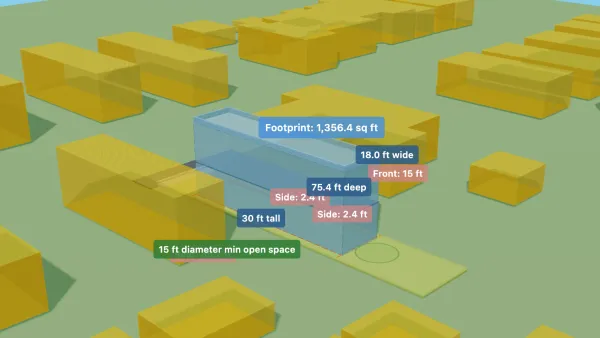
Interactive, 3D Chicago Zoning Map Lets You Visualize Potential Development
A new tool creates a visual model of potential development on Chicago lots based on the property’s specific zoning regulations.
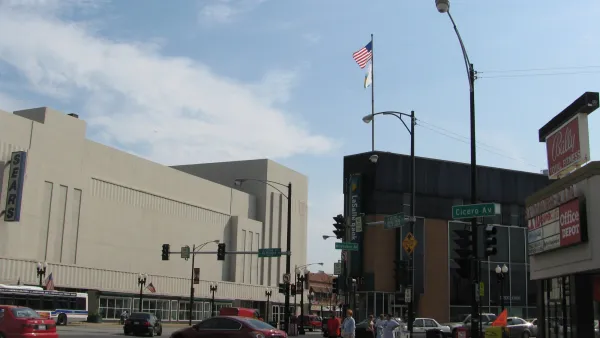
Chicago Planning Department Rejects 'Overparked' Six Corners Proposal
In a decision that is still impossible in most of the country, Chicago's Department of Planning and Development is requiring housing and reduced surface parking to approve a retail project.
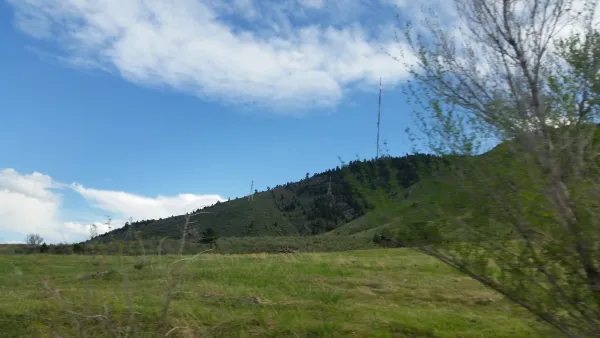
Keeping Colorado Land from Development Could Cost $5 Million
In Golden, Colorado, residents want to keep a parcel of land as open space, but it could come with a hefty price tag.

Planetizen Federal Action Tracker
A weekly monitor of how Trump’s orders and actions are impacting planners and planning in America.

The state-sanctioned urbicide of Austin
People don’t kill cities. Freeways do.

US to reduce Colorado River water deliveries to Mexico
A new Colorado Treaty amendment reduces Mexico’s Colorado River water allocation by 250,000 acre feet.

Mamdani overhauls NYC's Vision Zero plan with 100 new policy goals
The overhaul aims to reduce traffic deaths and make streets safer for pedestrians, cyclists and drivers through lower speed limits, new safety infrastructure and more.

Amtrak not solely to blame for New Jersey commuter rail's unreliability, report finds
A new study from the Garden State Initiative found that NJ Transit’s budget grew 20% across a 4 year period, but reliability declined significantly over the same period.

EPA erases limits on planet-warming pollution from power plants
Under Monday’s plan, power plants would still have some limits on how much mercury, arsenic and other contaminants they can emit.

FREE Course: Walkable City 1: Why Walkability?
After describing his path towards focusing on walkability as the essence of good planning, Jeff Speck marches through his five principal reasons for making more walkable places.
Reinventing Malls: Planning Alchemy—Turning Gray Fields Into Gold
The course focuses on the opportunities and imperatives that shape reinvention of mall sites.

Eagle County Government
Harvard University Graduate School of Design
Nashville Planning Department
The Architects Foundation
University of Cincinnati Online
The Pocatello Development Authority
The Urban Renewal Agency of the City of Pocatello
Journal of the American Planning Association