A home in poor physical condition can be "devastating" to a child's early development, a study of Cleveland kindergarteners found.


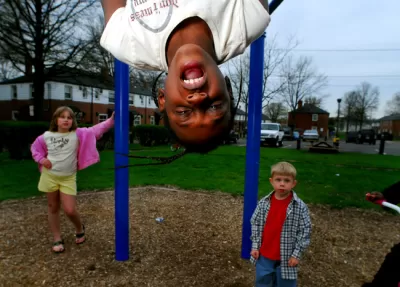
Researchers at Case Western Reserve University tracked connections between Cleveland children's homes and their early literacy skills. What they found, the authors believe, should influence how cities craft housing policy.
As Alexia Fernández Campbell explains in The Atlantic, many Cleveland houses were built before 1978, and around 40 percent of the city's kindergarteners have suffered lead poisoning.
The study found that "the amount of time a child spent living in housing units that were tax delinquent, in foreclosure, or owned by a speculator," as well as exposure to lead paint in old houses, had "significant effects on kindergarten readiness."
Author Rob Fischer says the results should motivate cities to consider the quality, not just the quantity, of housing stock—and avoid potentially "devastating" effects on children's success and wellbeing.
FULL STORY: How a House Can Shape a Child’s Future

Cleveland Ready to Launch Citywide Inspection of Rental Housing
Cleveland's rental housing stock is a public health risk, and the city is finally taking steps to launch a citywide inspection.

How Extreme Heat Impacts Children
As summers get hotter and more dangerous, parents can take steps to protect kids from heat-related illnesses.
Concrete to Community: A Schoolyard Makeover in West Philly
With guidance from the Trust for Public Land, third graders at Overbrook Elementary are leading the redesign of their asphalt schoolyard into a vibrant green space, learning valuable skills and creating lasting community impact in the process.

Planetizen Federal Action Tracker
A weekly monitor of how Trump’s orders and actions are impacting planners and planning in America.

The state-sanctioned urbicide of Austin
People don’t kill cities. Freeways do.

US to reduce Colorado River water deliveries to Mexico
A new Colorado Treaty amendment reduces Mexico’s Colorado River water allocation by 250,000 acre feet.

Mamdani overhauls NYC's Vision Zero plan with 100 new policy goals
The overhaul aims to reduce traffic deaths and make streets safer for pedestrians, cyclists and drivers through lower speed limits, new safety infrastructure and more.

Amtrak not solely to blame for New Jersey commuter rail's unreliability, report finds
A new study from the Garden State Initiative found that NJ Transit’s budget grew 20% across a 4 year period, but reliability declined significantly over the same period.

EPA erases limits on planet-warming pollution from power plants
Under Monday’s plan, power plants would still have some limits on how much mercury, arsenic and other contaminants they can emit.

FREE Course: Walkable City 1: Why Walkability?
After describing his path towards focusing on walkability as the essence of good planning, Jeff Speck marches through his five principal reasons for making more walkable places.
Reinventing Malls: Planning Alchemy—Turning Gray Fields Into Gold
The course focuses on the opportunities and imperatives that shape reinvention of mall sites.

Eagle County Government
Harvard University Graduate School of Design
Nashville Planning Department
The Architects Foundation
University of Cincinnati Online
The Pocatello Development Authority
The Urban Renewal Agency of the City of Pocatello
Journal of the American Planning Association