In a move to address changing preferences, some Minneapolis' parks are slowly eliminating baseball diamonds and tennis courts in favor of adaptable fields and multi-purpose courts.



As sports such as soccer, lacrosse and pickleball have gained in popularity, Minneapolis' parks have been forced to adapt and change. The change has resulted in the prioritization of larger multi-use fields in lieu of baseball diamonds and the planned removal of some tennis courts. Steve Brandt of the Star-Tribune writes that plans to transform park spaces are part of a 20 year, $220-million park plan.
According to the new proposals, the total number of ball diamonds in the area would be cut from 46 to 30, including complete elimination of diamonds at Corcoran, Green Central and Peavey parks. In their place, new large fields would offer space adaptable for soccer, lacrosse, ultimate Frisbee and cricket. Dedicated tennis courts would drop from 23 to 11, with more emphasis on multisport courts that could accommodate pickleball and volleyball.
Responding to demographic changes and the need to offer more diversity in park offerings, the city's park plans also include splash pads and gardens. More specialized features including dog parks and "adventure play areas" for older children would be distributed around the city to different areas, requiring people to travel for those uses.
Read the full story: Less baseball, more field sports for Mpls. neighborhood parks?
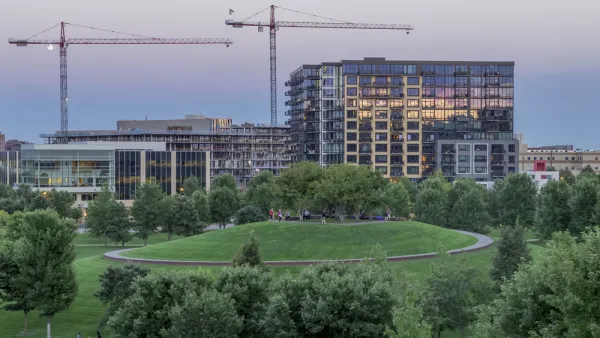
A Comprehensive Plan for Every Neighborhood Park
Minneapolis wants more equity in its parks spending—and new plans are a key step in the process of delivering more equitable results.

Meet the Team Working to Create a 1,500-mile Trail Across Texas
The proposed xTx route would safely allow hikers, bikers, and equestrians to cross the entire state from the Louisiana border to El Paso.
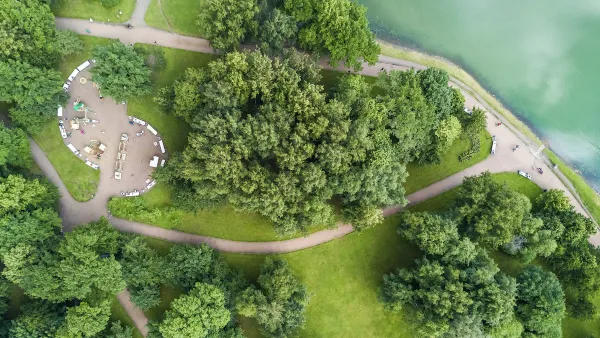
Not a Walk in the Park: What It Really Takes to Build Green Spaces
Park creation can take decades of perseverance to overcome financial, regulatory, and social hurdles, but the end result for the local community is more than worth it.

Planetizen Federal Action Tracker
A weekly monitor of how Trump’s orders and actions are impacting planners and planning in America.

Eastern Nebraska is running out of electricity
Data centers and electrification are straining eastern Nebraska’s grid, throttling economic development.

Move over, LA: St. Louis gears up for Olympics, invests millions in downtown redevelopment
The Missouri city will host the 2028 Olympic soccer group stage and knockout matches.

Dallas releases zoning code overhaul to officials
The drafted overhaul is over 400 pages long.

NYC renovations for dangerous, ‘mercilessly crammed’ street delayed until 2027
Construction was supposed to begin this fall.

San Diego’s Midway Rising project gets greenlight from city council
The project looks to become the largest affordable housing development in California's history.

FREE Course: Walkable City 1: Why Walkability?
After describing his path towards focusing on walkability as the essence of good planning, Jeff Speck marches through his five principal reasons for making more walkable places.
Reinventing Malls: Planning Alchemy—Turning Gray Fields Into Gold
The course focuses on the opportunities and imperatives that shape reinvention of mall sites.

City of Rosemead
Rutgers University, Edward J. Bloustein School of Planning and Public Policy
One Hundred Miles
University of Michigan School for Environment and Sustainability (SEAS)
Hunter College, City University of New York (CUNY)
The Architects Foundation
City of Cambridge
The Pocatello Development Authority
The Urban Renewal Agency of the City of Pocatello