Some cities that want to grow are stuck in the small town zone, while others growing cities would prefer to stay small.


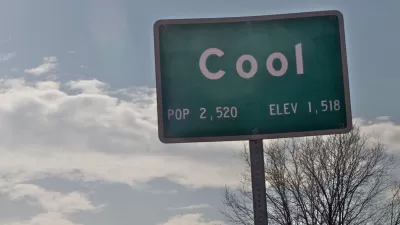
"Every big city was once little," begins an article by Kent Dussair before asking the big question: "But why do so many small towns never really grow?"
Dussair goes on to present six reasons why some small cities stay small—including four reasons that cities can control and two reasons beyond their control.
Among the factors that small towns can control, Dussair includes the politics of growth:
Once a no growth reputation is born, developers and business owners will often take the course of least resistance – if it is perceived that local authorities have policies that oppose growth they will quickly move on to greener pastures."
Dussair also includes the perpetual debate between revenues versus tax breaks:
…if the City wants to grow and become proactive in stimulating economic development, finding creative and acceptable ways to increase the tax base may be required.
Read the full story: 6 Reasons Why Some Small Towns Never Grow

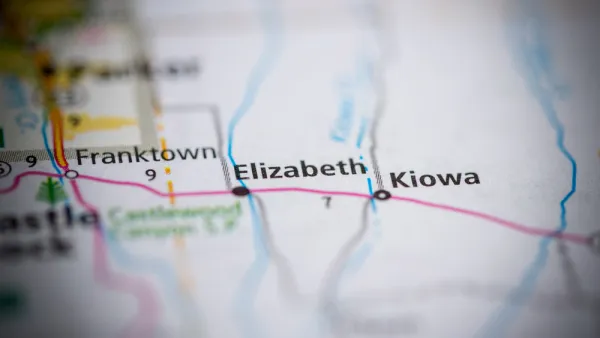
Rapid Growth and a Small Town Recall Effort
A group of organizers in the small town of Elizabeth, Colorado (population 1,700) wants to recall its entire City Council as an act of defiance in the face of rapid change and growth.
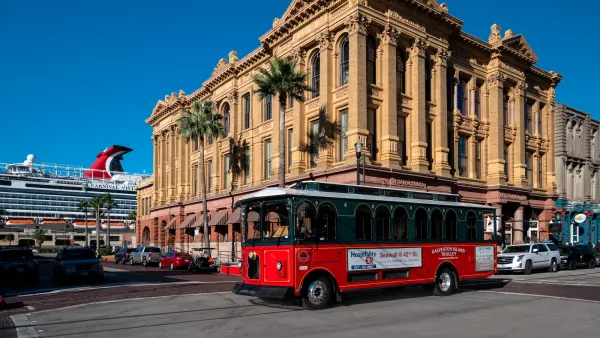
A Historic Texas Beach Town Faces Existential Growth Questions
Galveston, Texas is growing — and so are questions about its land use strategy.
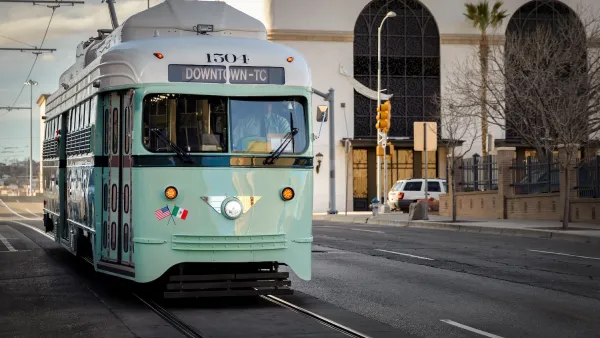
TxDOT Makes ‘Stunning Acknowledgement:’ Texas Needs More Transit
The agency issued a Statewide Multimodal Transit Plan that calls for more public transit options within and between major cities and in rural areas.

Planetizen Federal Action Tracker
A weekly monitor of how Trump’s orders and actions are impacting planners and planning in America.

Chicago breaks ground on $3 billion megadevelopment
The new neighborhood, titled Foundry Park, will one day host 3,700 residences.

This MA town is drowning in its own sewage — and residents like it that way
Susan Murcott, a waste water expert, said if Carlisle didn't address their leaking sewage, the problem could turn “deadly.”

California plans to bury El Niño’s downpour
If the state plays its cards right, it may be able to store a billion acre-feet of El Niño’s water in aquifers.

With no reauthorization bill in sight, Texas slashes $6.6 billion from transportation budget
An official said the program may receive additional funding when a federal reauthorization bill passes.

Chicago’s new transit authority has ‘unprecedented’ land development power
The Northern Illinois Transit Authority is allowed to buy and develop land for reasons unrelated to transit, a power that is fairly unique among transit authorities.

FREE Course: Walkable City 1: Why Walkability?
After describing his path towards focusing on walkability as the essence of good planning, Jeff Speck marches through his five principal reasons for making more walkable places.
Reinventing Malls: Planning Alchemy—Turning Gray Fields Into Gold
The course focuses on the opportunities and imperatives that shape reinvention of mall sites.

City of Rosemead
Rutgers University, Edward J. Bloustein School of Planning and Public Policy
One Hundred Miles
The Architects Foundation
University of Cincinnati Online
Montrose County
The Pocatello Development Authority
The Urban Renewal Agency of the City of Pocatello