The city of Pittsburgh is celebrating the conveyance of 660 acres of property known as Hays Woods. The property will one day become the largest park in the city.



"A 660-acre site that once was to be the home of a thoroughbred horse racing track, a casino, a hotel, restaurants and other development now will become the largest park in Pittsburgh," reports Mark Belko.
"Pittsburgh Development Group II, the site owner, is conveying the entire property, including mineral rights, to the city, which plans to use most of it for a park. A small portion also might be used for residential development," adds Belko.
The article presents the donation of the property, which includes streams, valleys, and even a waterfall, as a historic event for the city. The city plans "to work with foundations, conservation and environmental groups to secure a conservation easement to protect the land." The mineral rights included in the conveyance mean "the city can prevent drilling for oil or gas on the site."
In follow-up coverage, Diana Nelson Jones tours the site as it currently exists, before it begins to take shape in the imagination and the reality of Pittsburgh. According to Nelson Jones, the property is known currently as the Hays Woods, and "it’s a wild, overgrown uphill, downhill of deep woods, meadows, cliffs, views, deer scat, darting birds, dragonflies, butterflies, knotweed, old trees, junk trees and wetlands of reeds, rushes and cattails."
The Hays Woods are perhaps most well known for its Bald Eagle's nest, which is visible in real-time on PixController's webcam.
Read the full story: Hundreds of acres in Pittsburgh's Hays section to be used as city park

A Historic Investment in LA County’s Parks and Open Spaces
Los Angeles County has launched its largest-ever competitive grant program, investing $58 million to expand park access, enhance climate resilience, and support community-driven projects in the areas that need them most.
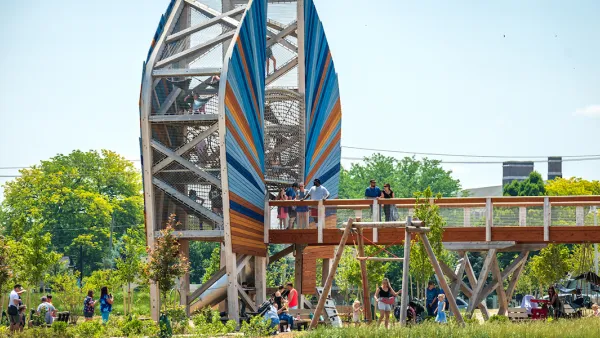
Innovative Park Agencies Receive National Recognition
The National Recreation and Park Association (NRPA) recently announced the recipients of this year’s awards for innovation in health and wellness, equity, conservation, and park design.
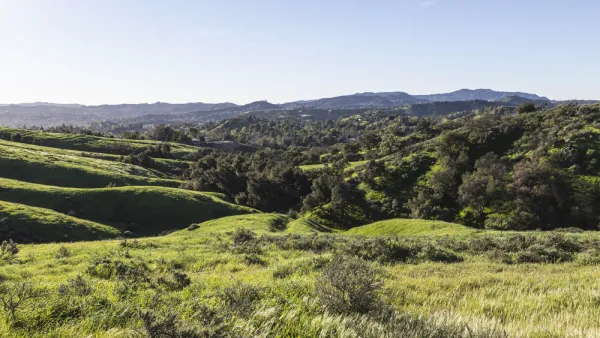
Regenerating and Healing Land Through Parks
Through thoughtful planning and restoration efforts, parks can help heal degraded land, meeting multiple community needs, improving soil quality, restoring native vegetation, and creating habitats for wildlife.

Planetizen Federal Action Tracker
A weekly monitor of how Trump’s orders and actions are impacting planners and planning in America.

California plans to bury El Niño’s downpour
If the state plays its cards right, it may be able to store a billion acre-feet of El Niño’s water in aquifers.

Desperate measures: Advocates weigh draining Lake Powell to fill Colorado River
Draining the reservoir could reduce evaporation losses by a couple hundred thousand acre-feet.

Los Angeles just elected an urban planner as its mayor
Transportation analysts are optimistic that Raman will be more aggressive in addressing transit issues than Bass.

Mamdani’s pied-à-terre tax survives legal challenge
A panel of judges found that the plaintiffs failed to demonstrate injury as a result of New York City's implementation of the tax.

Eastern Nebraska is running out of electricity
Data centers and electrification are straining eastern Nebraska’s grid, throttling economic development.

FREE Course: Walkable City 1: Why Walkability?
After describing his path towards focusing on walkability as the essence of good planning, Jeff Speck marches through his five principal reasons for making more walkable places.
Reinventing Malls: Planning Alchemy—Turning Gray Fields Into Gold
The course focuses on the opportunities and imperatives that shape reinvention of mall sites.

City of Rosemead
Rutgers University, Edward J. Bloustein School of Planning and Public Policy
One Hundred Miles
University of Michigan School for Environment and Sustainability (SEAS)
Hunter College, City University of New York (CUNY)
The Architects Foundation
City of Cambridge
Montrose County
The Pocatello Development Authority