Data from the U.S. Energy Information Administration shows that the total carbon emissions of the transportation sector is now greater than the carbon emissions of energy utilities.


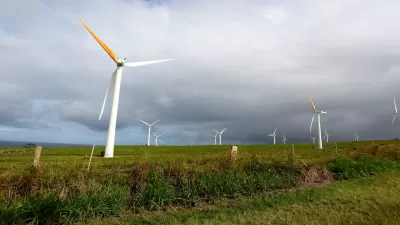
"For the first time since 1979, America’s cars, trucks, and airplanes emit more carbon dioxide than its power plants do," according to an article by Brad Plumer.
Plumer is sharing analysis by Sam Omri, executive director of the Energy Policy Institute at the University of Chicago, using data from the U.S. Energy Information Administration's "Monthly Energy Review" from May 2016 [pdf].
Plumer's post also digs into why energy utilities have been easier to clean up than the transportation sector—namely, that coal was easier to transition from for utilities than oil has been for cars, trucks, and planes. The article provides a lot more detail about the size and scope of the remaining challenges facing the transportation sector in reducing carbon emissions.
Read the full story: Power plants are no longer America’s biggest climate problem. Transportation is.

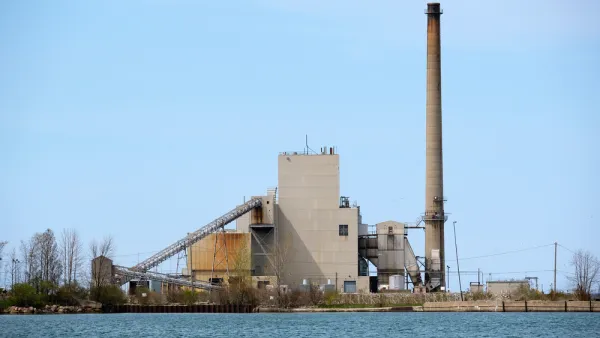
Large Michigan Utility to Go Coal-Free by 2050
Apparently Michigan's largest electricity supplier did not receive the Trump memo that the Clean Power Plan will be rolled back as they are proceeding on a plan that will achieve even higher carbon emission reductions.
Oil and Coal Will Continue To Be Energy Mainstays
Unless international carbon-capping treaties are implemented, fossil fuel consumption (with their greenhouse gas emissions) will increase 50% by 2030, largely resulting from growth in energy consumption in China and other developing nations.
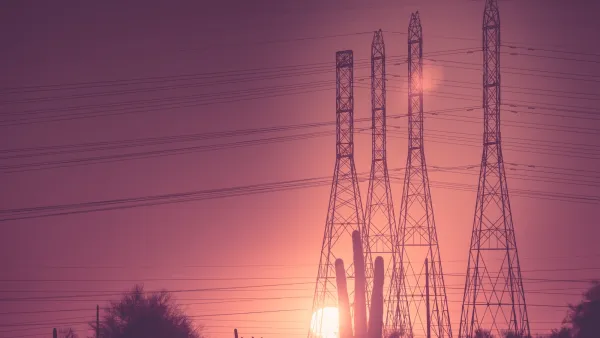
Will Tucson take back its power — literally?
One journalist's experience with a utility shutoff led them to look more closely at who provides their city’s power. It turns out there's a push for the city to buy out the investor-owned utility and create a public one.

Planetizen Federal Action Tracker
A weekly monitor of how Trump’s orders and actions are impacting planners and planning in America.

Data reveals that NYC’s bet on congestion pricing has paid off
After almost two years of the program, reports show positive impacts on traffic and air quality and no disruptions to parking.

HUD modernizes 50-year-old manufactured housing framework
The Next Generation Manufactured Housing Action Plan establishes new energy-efficiency standards for manufactured homes, and new guidelines for anchoring them.

Public steps inside U.S.’s first battery-powered train
Metra’s groundbreaking train feature modern seats and a futuristic battery car.

Companies show off AI technology, new innovation hubs at APTA Expo
Nearly 700 companies attended the American Public Transportation Association’s Expo last week, which happens once every three years.

Data center backlash set to sway midterm elections
Data centers figure in state and federal races and are the subject of dozens of ballot measures.

FREE Course: Walkable City 1: Why Walkability?
After describing his path towards focusing on walkability as the essence of good planning, Jeff Speck marches through his five principal reasons for making more walkable places.
Reinventing Malls: Planning Alchemy—Turning Gray Fields Into Gold
The course focuses on the opportunities and imperatives that shape reinvention of mall sites.

One Hundred Miles
County of Mendocino
planning NEXT
The Architects Foundation
University of Cincinnati Online
Montrose County
Northern Illinois Transit Authority (NITA)
The Pocatello Development Authority