Metro's first Quality of Life report measures the impact of the agency's transit investments since 2008.


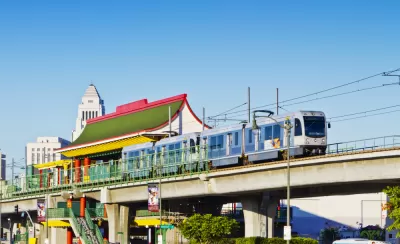
In 2008, L.A. County voters approved a half-cent sales tax that funded a host of transit projects, including this year's extensions of the Expo and Gold Lines.
Now Metro has released a report measuring the impact of those transit investments on life in Los Angeles.
It shows that more than 22 percent of the county now lives near rail, a rapid bus line, or commuter rail.
It also shows that since passing the measure, Metro has received significantly more money from state and federal grants—up from $112.9 million in 2008 to $522.9 million in 2014. That's in addition to the $3.9 billion generated directly in sales tax revenues (up to 2014).
"The lesson: having local money is the key to getting state and federal money," writes Metro's blog editor Steve Hymon.
Metro is preparing to place an extension of the sales tax, which expires in 2039, on the November ballot, along with a successor that would raise the tax by an additional half-cent.
The report will be expanded this year, and Metro will issue Quality of Life updates every two years going forward.
Read the full story: Metro releases its first ‘Quality of Life’ report
LA Politicos Make Final Cases For and Against Extending Transportation Sales Tax
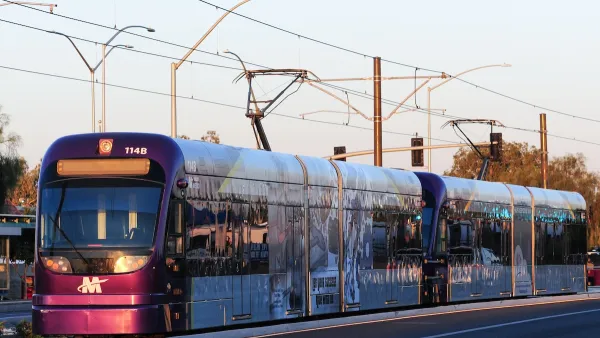
In 2008 Los Angeles voters passed a half-cent sales tax to finance construction of a new transit system. In November, Angelenos will decide whether to extend this tax to 2069, allowing Metro to borrow more in the short term and expedite construction.
Will Voters Fund Transportation Measures in November?
An overview of key transportation-related ballot measures that will be decided in November’s election.
New Price Tag for L.A's Biggest Rail Dream: $13 Billion
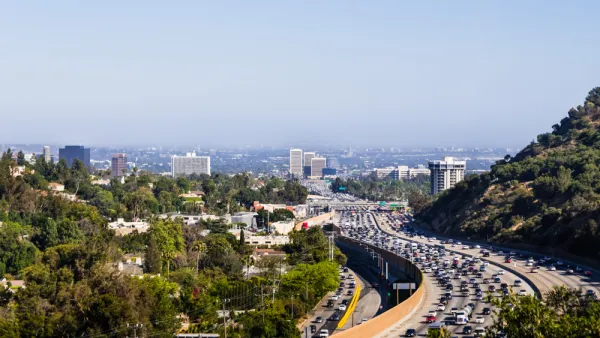
The Sepulveda Transit Corridor could offer tens of thousands of Los Angeles commuters an alternative to the infamously congested I-405 freeway, if local officials can find the funding.

Planetizen Federal Action Tracker
A weekly monitor of how Trump’s orders and actions are impacting planners and planning in America.

Eastern Nebraska is running out of electricity
Data centers and electrification are straining eastern Nebraska’s grid, throttling economic development.

Move over, LA: St. Louis gears up for Olympics, invests millions in downtown redevelopment
The Missouri city will host the 2028 Olympic soccer group stage and knockout matches.

Dallas releases zoning code overhaul to officials
The drafted overhaul is over 400 pages long.

NYC renovations for dangerous, ‘mercilessly crammed’ street delayed until 2027
Construction was supposed to begin this fall.

San Diego’s Midway Rising project gets greenlight from city council
The project looks to become the largest affordable housing development in California's history.

FREE Course: Walkable City 1: Why Walkability?
After describing his path towards focusing on walkability as the essence of good planning, Jeff Speck marches through his five principal reasons for making more walkable places.
Reinventing Malls: Planning Alchemy—Turning Gray Fields Into Gold
The course focuses on the opportunities and imperatives that shape reinvention of mall sites.

City of Rosemead
Rutgers University, Edward J. Bloustein School of Planning and Public Policy
One Hundred Miles
University of Michigan School for Environment and Sustainability (SEAS)
Hunter College, City University of New York (CUNY)
The Architects Foundation
City of Cambridge
The Pocatello Development Authority
The Urban Renewal Agency of the City of Pocatello