City Observatory digs into the history of a Chicago suburb to answer the question: "Why don't people who say they'd like to take transit actually do it?"



Daniel Hertz examines a county where more than half of working people say they'd prefer to go to work without a car, yet nearly 90 percent drive to work.
Their reasoning is simple: In DuPage, transit doesn't go where residents need to.
Finding the reason for that requires some historical research, which Hertz delivers. He unearths the planning decisions made in the area in the 1950s, in the context of the needs of the community as well as the prevailing trends and theories at the time. Readers end up with a cautionary tale of how easily decisions about the built environment can become entrenched, and play out invisibly in everyday life years later:
[T]he decisions of planners and developers over the last several decades have created a land use pattern that essentially locks in transportation choices for all future residents, who are now stuck commuting in ways they say they’d rather not.
Read the full story: A mystery in the suburbs

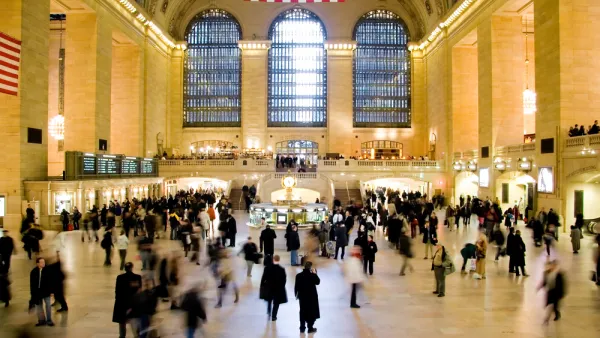
A One-Stop Shop for Transportation Data
The Transport Politic has announced the new Transport Databook, with is a kind of treasure trove of data.
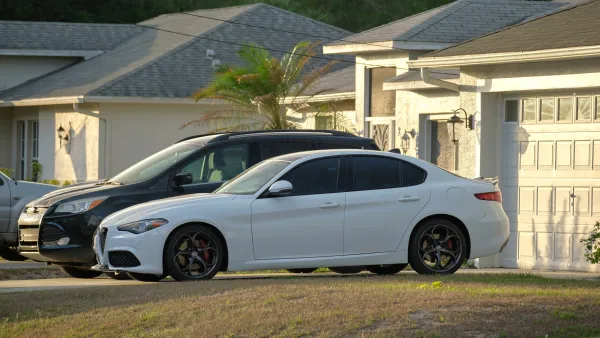
LA Metro is paying Angelenos up to $600 to leave their car at home
Metro will pay around 2,000 households to participate in a program designed to shift travel modes away from private car trips to transit, biking, walking and shared mobility.

Chicago mayor nominates allies for new regional transit board
The Northern Illinois Transit Authority will take over transit decisions from the existing Regional Transportation Authority.

Planetizen Federal Action Tracker
A weekly monitor of how Trump’s orders and actions are impacting planners and planning in America.

Amtrak, CN end decades-long dispute with eight-year agreement
The new operating agreement establishes an updated framework for the companies to work together, including processes to resolve disputes.

Northwest rail fans eager for Sept. 30 debut of Amtrak’s Airo fleet
Get ready for that new train smell and more seats. But they won’t go faster or run more frequently on the Cascades route in Washington and Oregon.

LAX SkyLink opening delayed again, contractor won’t commit to new deadline
The project was supposed to open its doors to the public in 2023.

Caltrain may slash over one-third of its stations
If Bay Area voters reject two transit tax measures, Caltrain, BART and AC Transit will see steep service cuts.

A 'dangerous' precedent: North Carolina successfully pressures communities into voting for toll roads
Two mayors resigned from the Charlotte Regional Transportation Planning Organization after it voted in favor of the toll roads.

FREE Course: Walkable City 1: Why Walkability?
After describing his path towards focusing on walkability as the essence of good planning, Jeff Speck marches through his five principal reasons for making more walkable places.
Reinventing Malls: Planning Alchemy—Turning Gray Fields Into Gold
The course focuses on the opportunities and imperatives that shape reinvention of mall sites.

City of Thousand Oaks
City of Wisconsin Rapids
Harvard University Graduate School of Design
The Architects Foundation
University of Cincinnati Online
The Pocatello Development Authority
The Urban Renewal Agency of the City of Pocatello