With the key assumption that more of Philadelphia needs to see the benefits of the recent wave of investment that has come to the city's urban core, politicians at varying levels of government are considering multiple policy options.


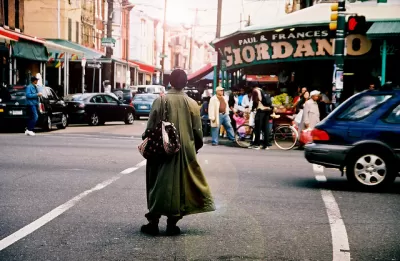
Ariel Ben-Amos, a lecturer from the Urban Studies Program at the University of Pennsylvania, writes an editorial in favor of the value capture enabled by legislation under consideration by the state of Pennsylvania as a mechanism for investing in neglected neighborhoods like North Philly, West Philly, and Southwest Philly.
Ben-Amos is appealing for support of Senate Bill 385, which would "make it possible for SEPTA and the city to repay [transportation improvement] bonds using the increase in liquor, sales and use, personal income, corporate net income and other taxes that are generated by the fixed-up infrastructure, instead of just property taxes." Senate Bill 375 would also "let SEPTA and the city use these funds to finance planning for construction projects," according to Ben-Amos.
The opinion article sets the policy recommendations of SB 375 in contrast to a recent proposal by Councilmember Allan Domb to "double the city’s controversial tax abatement from 10 to 20 years for properties worth less than $250,000."
The underlying assumption of either proposal, however, is key: that Philadelphia is looking for ways to parlay the investments of recent years in Center City farther out into long-neglected neighborhoods.

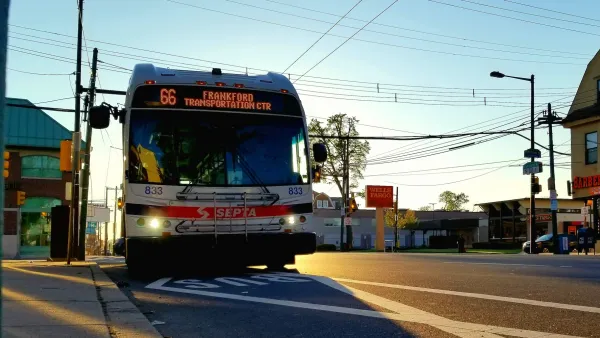
SEPTA's bus-mounted lane enforcement cameras cut travel times by up to 6%
The AI-assisted cameras have issued nearly 200,000 citations to drivers blocking bus lanes.
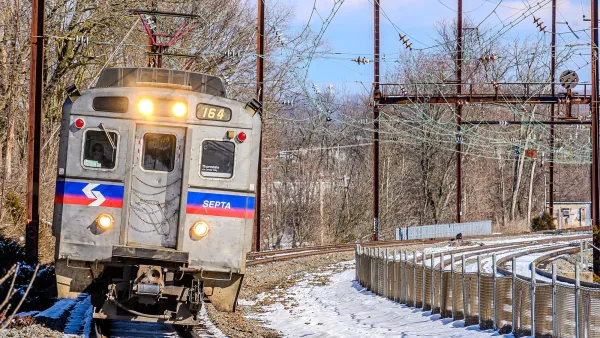
SEPTA Borrows Maryland's Rail Cars to Replace Fleet That Kept Catching Fire
The agency’s efforts to repair its Silverliner fleet is being hampered by supply chain delays.
SEPTA Narrowly Avoids Strike, Walkout Still Possible
Negotiations continue this week between SEPTA officials and union leaders.

The state-sanctioned urbicide of Austin
People don’t kill cities. Freeways do.

US to reduce Colorado River water deliveries to Mexico
A new Colorado Treaty amendment reduces Mexico’s Colorado River water allocation by 250,000 acre feet.

New Jersey’s second-largest city bans standalone data centers
Jersey City will continue to allow co-location facilities, such as those meant for research institutions that store their own data.

Amtrak not solely to blame for New Jersey commuter rail's unreliability, report finds
A new study from the Garden State Initiative found that NJ Transit’s budget grew 20% across a 4 year period, but reliability declined significantly over the same period.

EPA erases limits on planet-warming pollution from power plants
Under Monday’s plan, power plants would still have some limits on how much mercury, arsenic and other contaminants they can emit.

Phoenix announces new on-demand transit service, more frequent RAPID buses
Both new services will launch in October, and are part of Phoenix's Project Effective Access Solutions for Easing Congestion.

FREE Course: Walkable City 1: Why Walkability?
After describing his path towards focusing on walkability as the essence of good planning, Jeff Speck marches through his five principal reasons for making more walkable places.
Reinventing Malls: Planning Alchemy—Turning Gray Fields Into Gold
The course focuses on the opportunities and imperatives that shape reinvention of mall sites.

Eagle County Government
Harvard University Graduate School of Design
Nashville Planning Department
The Architects Foundation
University of Cincinnati Online
The Pocatello Development Authority
The Urban Renewal Agency of the City of Pocatello
Journal of the American Planning Association