In the traditional view, nature and digital technology clash. But for many people, tech can offer ways to better engage with parks.


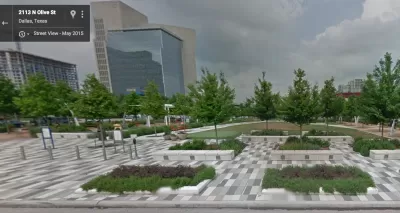
Jon Christensen questions the notion that digital technology and green spaces don't mix. While tech can be more immediately engrossing, "we shouldn't jump to the conclusion that technology is part of the problem. This idea risks keeping innovation out of parks and open spaces, on the misguided grounds that technology somehow interferes with our enjoyment of nature, so we shouldn't need or want it outdoors."
Tech can be useful to park visitors interested in how spaces fit into the wider landscape. "[...] we have an incredible wealth of information about parks and trails available online. Much of it can be found on websites maintained by park agencies and by park lovers, who share detailed information that can help you on your way and give you a great idea of what you'll find when you're out there."
Read the full story: Parks and Technology: A Match Made in California

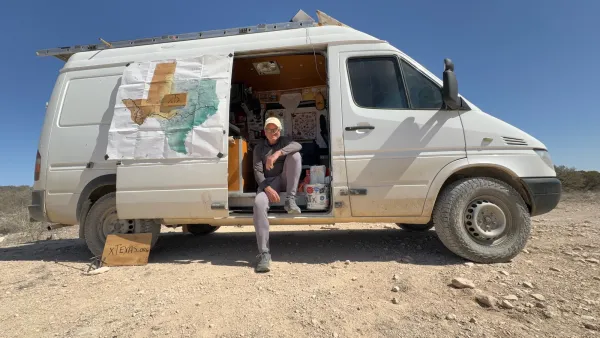
Meet the Team Working to Create a 1,500-mile Trail Across Texas
The proposed xTx route would safely allow hikers, bikers, and equestrians to cross the entire state from the Louisiana border to El Paso.
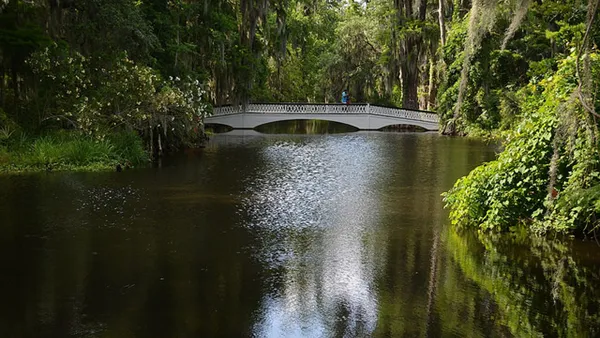
New Tool Aims to Make Parks More Resilient to Climate Change
The interactive mapping platform helps park managers understand the risks in their area and create long-term resilience plans.
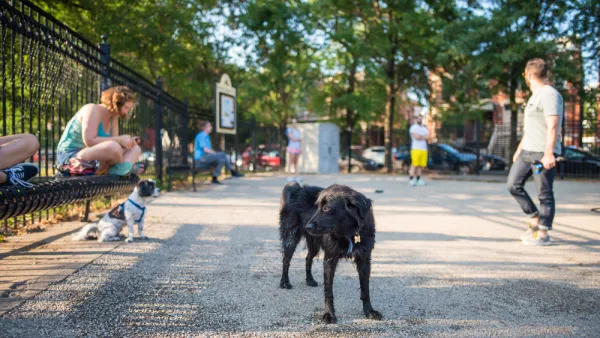
Boston Leaders Want A Dog Park in Every Neighborhood
City leaders want to build more off-leash dog parks, partly as a response to the trend of "pandemic puppies" that has led to a sharp spike in urban dog ownership.

Planetizen Federal Action Tracker
A weekly monitor of how Trump’s orders and actions are impacting planners and planning in America.

Amtrak, CN end decades-long dispute with eight-year agreement
The new operating agreement establishes an updated framework for the companies to work together, including processes to resolve disputes.

Judges permit Denver to divert 77,000 acre feet from the Colorado River for reservoir expansion
Overuse and climate change have caused the Colorado River’s water levels to plummet.

NYC DOT wants faster, more permanent street upgrades
The city is examining ways to build more concrete infrastructure without getting entangled in 'decades-long' projects.

'Something we’ve never seen before:' rising utility rates could strain city finances nationwide
Data centers, climate change and other factors have caused utility rates in the United States to increase by 38% since 2020.

Trump to overrule local leaders, lease millions of acres of America’s Pacific Island territories’ seafloors to mining companies
International law says that the Indigenous people of America’s territories have a right to prior and informed consent regarding projects that impact their countries.

FREE Course: Walkable City 1: Why Walkability?
After describing his path towards focusing on walkability as the essence of good planning, Jeff Speck marches through his five principal reasons for making more walkable places.
Reinventing Malls: Planning Alchemy—Turning Gray Fields Into Gold
The course focuses on the opportunities and imperatives that shape reinvention of mall sites.

Harvard University Graduate School of Design
KFH Group Inc.
Greater Baltimore Committee
The Architects Foundation
University of Cincinnati Online
The Pocatello Development Authority
The Urban Renewal Agency of the City of Pocatello