The proposed xTx route would safely allow hikers, bikers, and equestrians to cross the entire state from the Louisiana border to El Paso.


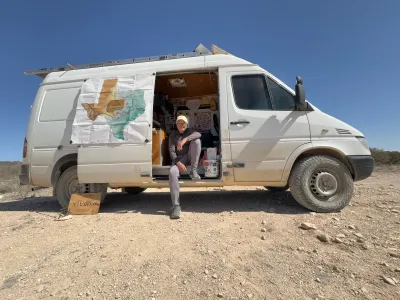
A proposed 1,500-mile trail that would stretch east to west across Texas is in the works, but will require the buy-in of hundreds of landowners and communities.
In a piece for The Daily Yonder, Madeline de Figueiredo describes how the team behind the xTx trail — which, in its current incarnation, routes hikers, cyclists, and horse riders along existing public routes — is working to route around unsafe and concerning segments by partnering with private landowners in a state where 96 percent of land is private.
xTx founder Charlie Gandy and executive director Beckie Irvin are developing a map of the proposed route, taking trips across segments to understand what the trail needs to be safe and enjoyable. “Each trip brings new puzzles: how to avoid high-traffic roads, how to reroute around unsafe terrain, and how to forge relationships with landowners, ranchers, and local governments who have mixed feelings about the project.”
Along the way, some communities are stepping up to integrate the trail and position themselves as ‘gateway towns.’ In Bandera, Texas, a town that bills itself as “cowboy capital of the world,” a group of equestrians has proposed creating a day-use public stable to serve equestrians using the trail. But landowners have questions and doubts, too. “Building a trail across private lands requires navigating a complex network of interests. Ranchers, farmers, conservationists, outdoor users, and local governments all view land through different lenses, Irvin said, and the xTx team aims to build trust and connections across those communities.”
FULL STORY: A Proposed 1,500-Mile Trail Across Texas Will Take a Village – Or Dozens

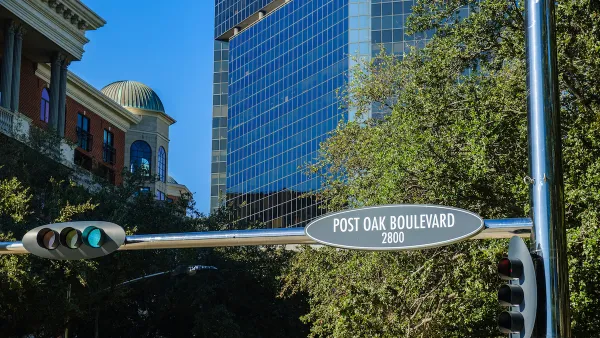
Houston Awarded $18.5M for Trail Linking Uptown and Memorial Park
The grant will make the freeway-bounded park more accessible to pedestrians and cyclists.
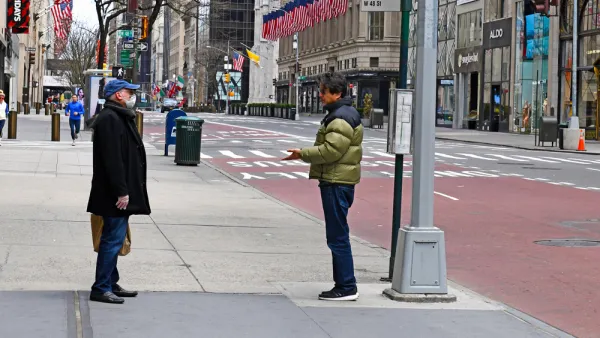
New Density Control Measure to Close Some New York Streets to Cars
To encourage recreational walking while practicing social distancing in order to reduce the spread of COVID-19, Gov. Andrew Cuomo asked the New York City mayor and city council speaker to devise a pilot project to provide for open streets.
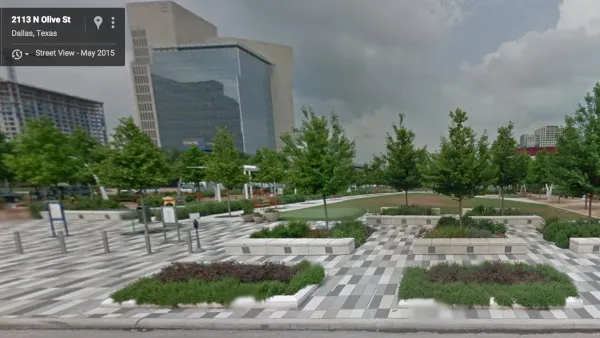
Op-Ed: Tech Can Enhance Parks
In the traditional view, nature and digital technology clash. But for many people, tech can offer ways to better engage with parks.

Planetizen Federal Action Tracker
A weekly monitor of how Trump’s orders and actions are impacting planners and planning in America.

The state-sanctioned urbicide of Austin
People don’t kill cities. Freeways do.

US to reduce Colorado River water deliveries to Mexico
A new Colorado Treaty amendment reduces Mexico’s Colorado River water allocation by 250,000 acre feet.

5 New England states march closer to 800 megawatt wind energy project
Securing federal approval for the project may be complicated under the Trump administration, which has historically been hostile towards domestic wind power.

Baltimore to break ground on $50 million Transit Priority Project
The project will bring faster bus trips, safer streets and better bike connections to Baltimore.

Airbnb launches $250 million 'last-dollar financing' housing accelerator, makes first investment in Austin
The company will put $6.4 million towards affordable housing development in Texas’ capital.

FREE Course: Walkable City 1: Why Walkability?
After describing his path towards focusing on walkability as the essence of good planning, Jeff Speck marches through his five principal reasons for making more walkable places.
Reinventing Malls: Planning Alchemy—Turning Gray Fields Into Gold
The course focuses on the opportunities and imperatives that shape reinvention of mall sites.

Eagle County Government
Harvard University Graduate School of Design
Nashville Planning Department
The Architects Foundation
University of Cincinnati Online
The Pocatello Development Authority
The Urban Renewal Agency of the City of Pocatello
Journal of the American Planning Association