Trulia has undertaken an in-depth analysis of American Community Survey data to reveal some of the impacts of the recession on the housing market.


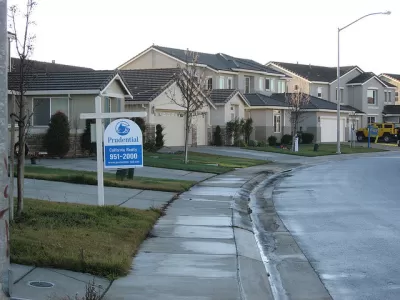
"To get a clearer picture of who lost out on the American Dream of homeownership, we used the American Community Survey data from 2006 to 2014 to uncover who saw the biggest shift from being a homeowner to a renter by age, gender, race, and income in the 50 largest U.S. metros," according to a post by Mark Uh for Trulia.
In total, the number of homeowners that became renters might seem surprisingly low. "From the top of the housing bubble roughly a decade ago until just recently, there’s been a five percentage-point increase in the number of renters to owners to 43.3% from 38.5%," writes Uh.
But taking a closer look at demographic groups and around the country, a more nuanced portrait of the impacts of the Great Recession on homeowners emerges. The article includes a lot more data and insight into each of the trends described by the data.
FULL STORY: From Own To Rent: Who Lost The American Dream?


Housing Market 2016 in a Best of Times, Worst of Times Moment
The story of the U.S. housing market is the story of growing inequality.
Renting on the Rise, With Consequences for Neighborhoods
A higher share of Americans are renters than at any point in decades. Neighborhoods all over the country, especially in downtowns, have many more renters than they did in 2010.
As Home Prices Rise, So Does the Number of Renters
The intense competition in today's housing market means more people might have to settle for rental housing.

The state-sanctioned urbicide of Austin
People don’t kill cities. Freeways do.

US to reduce Colorado River water deliveries to Mexico
A new Colorado Treaty amendment reduces Mexico’s Colorado River water allocation by 250,000 acre feet.

New Jersey’s second-largest city bans standalone data centers
Jersey City will continue to allow co-location facilities, such as those meant for research institutions that store their own data.

Amtrak not solely to blame for New Jersey commuter rail's unreliability, report finds
A new study from the Garden State Initiative found that NJ Transit’s budget grew 20% across a 4 year period, but reliability declined significantly over the same period.

EPA erases limits on planet-warming pollution from power plants
Under Monday’s plan, power plants would still have some limits on how much mercury, arsenic and other contaminants they can emit.

Phoenix announces new on-demand transit service, more frequent RAPID buses
Both new services will launch in October, and are part of Phoenix's Project Effective Access Solutions for Easing Congestion.

FREE Course: Walkable City 1: Why Walkability?
After describing his path towards focusing on walkability as the essence of good planning, Jeff Speck marches through his five principal reasons for making more walkable places.
Reinventing Malls: Planning Alchemy—Turning Gray Fields Into Gold
The course focuses on the opportunities and imperatives that shape reinvention of mall sites.

Eagle County Government
Harvard University Graduate School of Design
Nashville Planning Department
The Architects Foundation
University of Cincinnati Online
The Pocatello Development Authority
The Urban Renewal Agency of the City of Pocatello
Journal of the American Planning Association