The nation's capital is hoping to increase the funding support offered to households through the Home Purchase Assistance Program to help more people afford the critical first step of buying a home.


Washington, D.C. is considering an expansion of its Home Purchase Assistance Program (HPAP). Elizabeth Falcom reports that the D.C. Council held a hearing on January 7, 2016 "to consider raising the maximum amount [HPAP] applicants, from $50,000 to $80,000."
The article includes a lot more detail about how the program works, including a discussion of how the award available under the program has fluctuated over years. The most recent fluctuations mean the program has some catching up to do:
In 2008, the award amount was capped at $70,000. But when the recession hit, federal and local resources shrank, and the award amount dipped to $40,000 per purchase. While that rose to $50,000 in 2014, that jump paled in comparison to the rapid increase in the cost of buying a home here.
According to Falcom, the proposed adjustment has a wide range of support, including from the Department of Housing and Community Development, which manages the program. Earlier this week, Aimee Custis reported that Washington, D.C is also considering an expansion of its inclusionary zoning policy to also help more people afford housing in the nation's capital.
Read the full story: DC has a program to help first-timers buy a house, and it may start giving more aid


D.C. Revamps its Vision Zero Plan to Eliminate Traffic Fatalities
Washington, D.C. was an early adopter of Vision Zero in the United States, but eventually it became emblematic of the country's lack of progress in reducing traffic collisions.
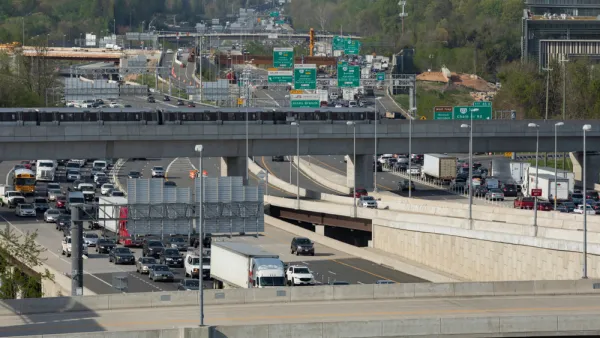
D.C. Region Sets Goal to Reduce GHG Emissions From Transportation 50% by 2030
Transportation is the largest source of greenhouse gas emissions in the D.C. region—and the rest of the country. The D.C. region is committing to drastic actions to change their ways, however.
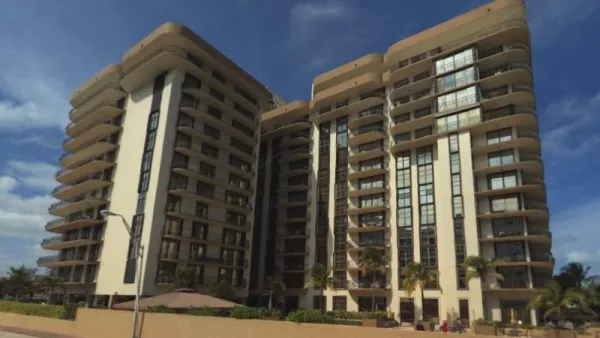
D.C. Adds New Safety Requirement in Wake of Recent Collapses
A series of incidents including the fatal collapse of a condo building in Surfside, Florida have prompted the District to implement safety enhancements to its building safety review.

Planetizen Federal Action Tracker
A weekly monitor of how Trump’s orders and actions are impacting planners and planning in America.

Northwest rail fans eager for Sept. 30 debut of Amtrak’s Airo fleet
Get ready for that new train smell and more seats. But they won’t go faster or run more frequently on the Cascades route in Washington and Oregon.

Trump is considering data centers on 6 states' public land — some state officials say they had no idea
If the administration approves the proposed projects, data center and data center-related developments will cover 17,600 acres of public land.

After decades of planning, Sacramento gains new light rail station
Trains will arrive every 15 minutes during peak hours and every 30 minutes during non-peak hours.

Massive tunnel-boring machine breaks ground on Gateway Project
The Trump administration revoked funding for the project in October 2025, and then restored it earlier this year.

Airo trainsets begin service on Amtrak Cascades route
The trains feature panoramic windows, complementary wifi and over 300 seats per train set.

FREE Course: Walkable City 1: Why Walkability?
After describing his path towards focusing on walkability as the essence of good planning, Jeff Speck marches through his five principal reasons for making more walkable places.
Reinventing Malls: Planning Alchemy—Turning Gray Fields Into Gold
The course focuses on the opportunities and imperatives that shape reinvention of mall sites.

City of Thousand Oaks
City of Wisconsin Rapids
Harvard University Graduate School of Design
The Architects Foundation
University of Cincinnati Online
Northern Illinois Transit Authority (NITA)
The Pocatello Development Authority
The Urban Renewal Agency of the City of Pocatello