Two new gas plants will join a host of other oil and gas infrastructure in the Tacoma Tideflats. The question is how much risk is the area taking on, and is it worth it?


Steve Dunkelberger reports on the fall out from two recently approved plans for liquefied natural gas facilities in the Tacoma Tideflats in Washington. "The neighboring gas plants, the current oil refineries as well as the rise of oil train traffic through the area are raising concerns about the potential of a environmental disaster so close to urban areas," according to Dunkelberger.
Eric de Place, policy director of the environmental policy think tank Sightline Institute, is quoted extensively in the article, arguing for a greater levels of oversight and risk assessment. Both are particularly pertinent in this case, explains de Place, since the city of Tacoma owns Tacoma Rail, which could make taxpayers liable for the cleanup of any gas or oil disasters linked to oil trains.
The remainder of the article provides a lot of data and opinions that inform a cost-benefit analysis on the new gas infrastructure going into place in Tacoma.
FULL STORY: Planned gas plants raise concerns about safety of tideflats

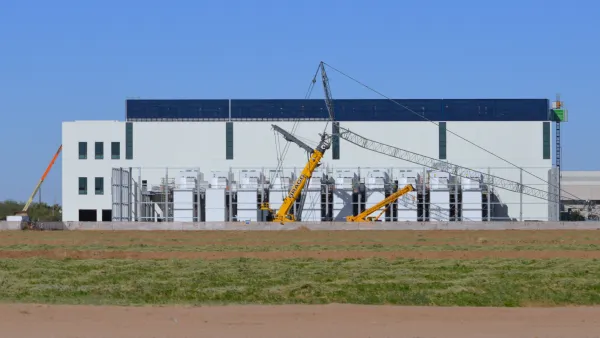
EPA to kill law requiring states to inform the public about new data centers
Over 200 advocacy groups and a dozen states have voiced opposition to this change.
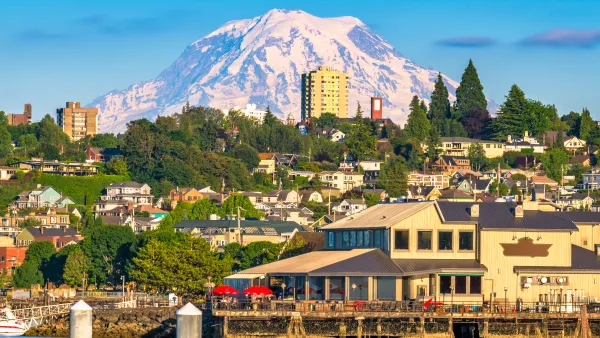
Tacoma sees 62% spike in units permitted after drastic 'Home in Tacoma' rezone
The new zoning allows for backyard buildings, courtyard housing, multiplexes, "houseplexes" and rowhouses, with a minimum of four units allowed on any lot.

Washington Tribes Oppose Wind Project
Tribal communities claim that a major wind energy project threatens sensitive cultural and environmental resources.

Planetizen Federal Action Tracker
A weekly monitor of how Trump’s orders and actions are impacting planners and planning in America.

The state-sanctioned urbicide of Austin
People don’t kill cities. Freeways do.

US to reduce Colorado River water deliveries to Mexico
A new Colorado Treaty amendment reduces Mexico’s Colorado River water allocation by 250,000 acre feet.

Mamdani overhauls NYC's Vision Zero plan with 100 new policy goals
The overhaul aims to reduce traffic deaths and make streets safer for pedestrians, cyclists and drivers through lower speed limits, new safety infrastructure and more.

Amtrak not solely to blame for New Jersey commuter rail's unreliability, report finds
A new study from the Garden State Initiative found that NJ Transit’s budget grew 20% across a 4 year period, but reliability declined significantly over the same period.

EPA erases limits on planet-warming pollution from power plants
Under Monday’s plan, power plants would still have some limits on how much mercury, arsenic and other contaminants they can emit.

FREE Course: Walkable City 1: Why Walkability?
After describing his path towards focusing on walkability as the essence of good planning, Jeff Speck marches through his five principal reasons for making more walkable places.
Reinventing Malls: Planning Alchemy—Turning Gray Fields Into Gold
The course focuses on the opportunities and imperatives that shape reinvention of mall sites.

Eagle County Government
Harvard University Graduate School of Design
Nashville Planning Department
The Architects Foundation
University of Cincinnati Online
The Pocatello Development Authority
The Urban Renewal Agency of the City of Pocatello
Journal of the American Planning Association