There are a lot of people in this country that consider cheap gas to be a form of benevolence. Here are some reasons why they should curb their enthusiasm.


"At least on the surface, the big declines in gas prices we’ve seen over the past year seem like an unalloyed good. We save money at the pump, and we have more to spend on other things," begins a post by Joe Cortright that soon takes a turn. "But the cheap gas has serious hidden costs—more pollution, more energy consumption, more crashes and greater traffic congestion."
Cortright notes that we tend to focus on macreconomic considerations while neglecting the microeconomic. So while cheaper gas can have the effect of a tax cut, it can also quickly increase VMT, and with it, pollution and congestion.
Another, larger lesson emerges from Cortright's interpretation: "gas price fluctuations represent a terrific natural experiment in the efficacy of using pricing to manage traffic and its negative effects."
Eric Jaffe followed Cortright's work by expanding on one of the points in microeconomic column: car crashes increase as gas prices decrease.
Read the full story: The high price of cheap gas

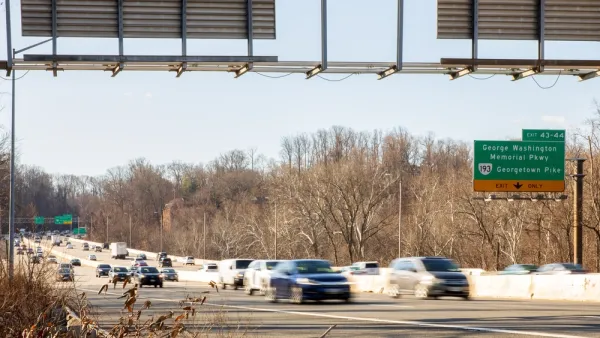
U.S. Miles Driven Rose by 1 Percent in 2024
Americans drove a total of 3.279 trillion miles in 2024, but per capita VMT stayed the same.
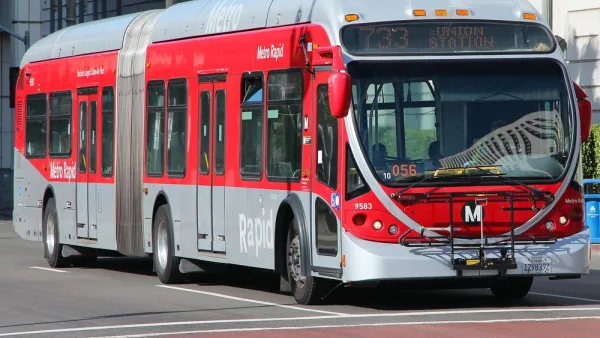
Causes of the Pre-COVID Decline in Bus Ridership
Even before the effects fo the coronavirus pandemic drastically reduced ridership, transit riders were declining in cities across the country. The reasons for the downward trend were varied.
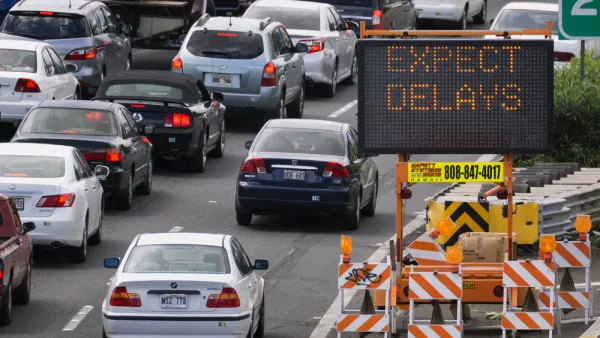
A Call for Congestion Pricing in Hawaii
Everyone pays a high price for the congestion and pollution of car dependence, according to this article, so maybe drivers should start paying more for the privilege.

Planetizen Federal Action Tracker
A weekly monitor of how Trump’s orders and actions are impacting planners and planning in America.

The state-sanctioned urbicide of Austin
People don’t kill cities. Freeways do.

US to reduce Colorado River water deliveries to Mexico
A new Colorado Treaty amendment reduces Mexico’s Colorado River water allocation by 250,000 acre feet.

Nation's most wind-powered state turns to coal as data centers increase energy demand
For the first time in decades, Iowa has increased its generation of coal power.
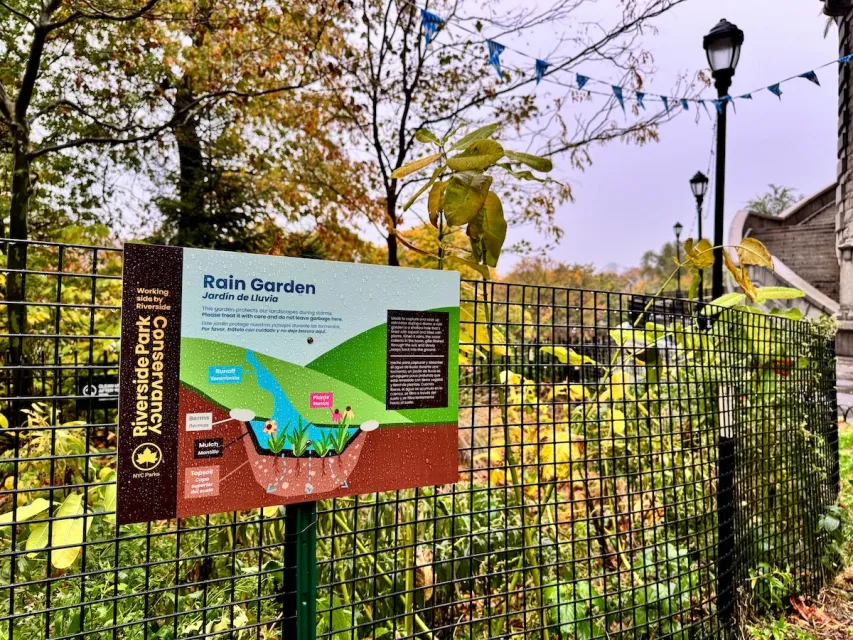
NYC cools commuters with city's first rain garden above a bus stop
New York City officials say the plants in the rain garden can absorb 16 gallons of rainwater during heavy storms.

Brightline West’s future may rely on $6 billion federal loan
The company has until Nov. 2 to make a $400 million equity investment into its proposed high-speed rail line.

FREE Course: Walkable City 1: Why Walkability?
After describing his path towards focusing on walkability as the essence of good planning, Jeff Speck marches through his five principal reasons for making more walkable places.
Reinventing Malls: Planning Alchemy—Turning Gray Fields Into Gold
The course focuses on the opportunities and imperatives that shape reinvention of mall sites.

Eagle County Government
Harvard University Graduate School of Design
Nashville Planning Department
The Architects Foundation
University of Cincinnati Online
The Pocatello Development Authority
The Urban Renewal Agency of the City of Pocatello
Journal of the American Planning Association