More evidence of the inability of the Illinois Housing Planning and Appeal Act to achieve its stated goals.


"More than six years after it was created, a state [of Illinois] board designed to prod municipalities into building affordable housing has yet to hear one case," reports Natalie Moore.
"The Illinois Housing Appeals Board was established in 2009 as part of the Illinois Housing Planning and Appeal Act (2003)," adds Moore. That's the same rule that some affluent suburbs in the state flout without fear of reprisal, according to reports from earlier this year. State law requires cities with less than ten percent affordable housing to provide affordable housing plans to the state. The law also allows developers to appeal rejected affordable housing proposals with the Housing Appeals Board.
Board chair Warren Wolfson, a retired judge turned law professor, is quoted in the article saying that meetings involved the board sitting and staring at each other. According to the article, suburbs and towns undercut the board's authority invoking "home rule," which Moore defines as "the right to self-govern without state intervention."
The article includes more discussion of the consequences of the impotence of the board and, by extension, the law.
Read the full story: Affordable housing appeals board: 'We just sit and stare at each other'

Wealthy Suburbs Flout Illinois' Affordable Housing Mandate
The state of Illinois finds itself without a "stick" to enforce the mandates of its Affordable Housing Planning and Appeals Act. Towns have noticed and are flouting the law.

See the 12 communities on New York City’s affordable housing naughty list
The Upper East and West Sides, Elmhurst, and Bayside are among the communities that have built little affordable housing over the past five years, and now will see certain projects fast-tracked under new city rules.
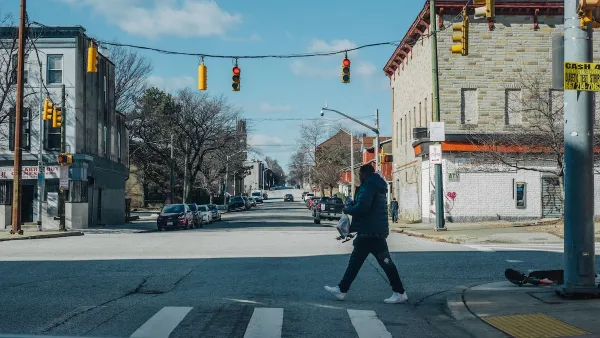
Maryland local governments examine if they should have more power to raise property taxes
Maryland’s housing market is out of reach for the majority of moderate-income residents.

Planetizen Federal Action Tracker
A weekly monitor of how Trump’s orders and actions are impacting planners and planning in America.

‘Going backwards:’ Baltimore mayor, students rally against state's transit funding plan
Maryland's proposed six-year plan provides no funding for Baltimore’s BMORE bus program and reduces its road maintenance funding.

Detroit to transform waterfront with $2.2 billion investment
Developers will convert about 18 acres of unused parking lot space into civic spaces.

Central Park has seen three deadly crashes since June. It banned cars 8 years ago.
100,000 bikers, pedestrians and horseback riders compete for space on the loop daily, sometimes resulting in deadly collisions.

SF residents can no longer use potential shadows to block housing developments
The SHADE act also halves the allotted time for certain appeals before projects can progress.

HUD, USDA agree on framework to simplify housing environmental review standards
Their agreement is a requirement of the 21st Century ROAD to Housing Act.

FREE Course: Walkable City 1: Why Walkability?
After describing his path towards focusing on walkability as the essence of good planning, Jeff Speck marches through his five principal reasons for making more walkable places.
Reinventing Malls: Planning Alchemy—Turning Gray Fields Into Gold
The course focuses on the opportunities and imperatives that shape reinvention of mall sites.

planning NEXT
City of Thousand Oaks
City of Wisconsin Rapids
The Architects Foundation
University of Cincinnati Online
Northern Illinois Transit Authority (NITA)
The Pocatello Development Authority
The Urban Renewal Agency of the City of Pocatello